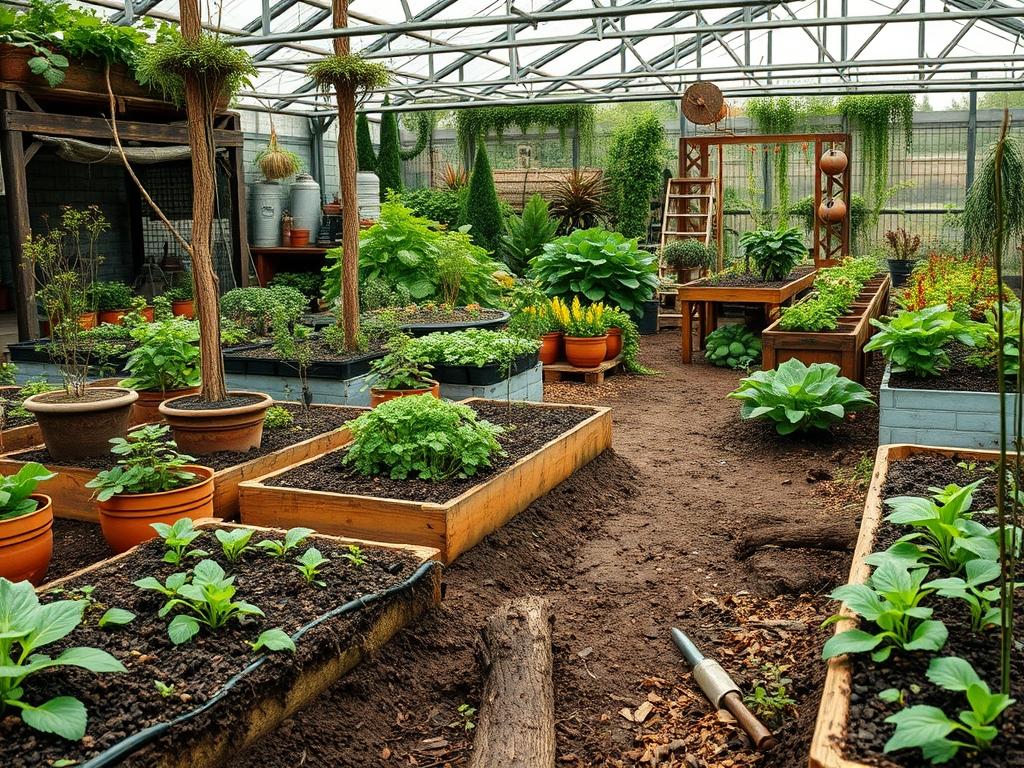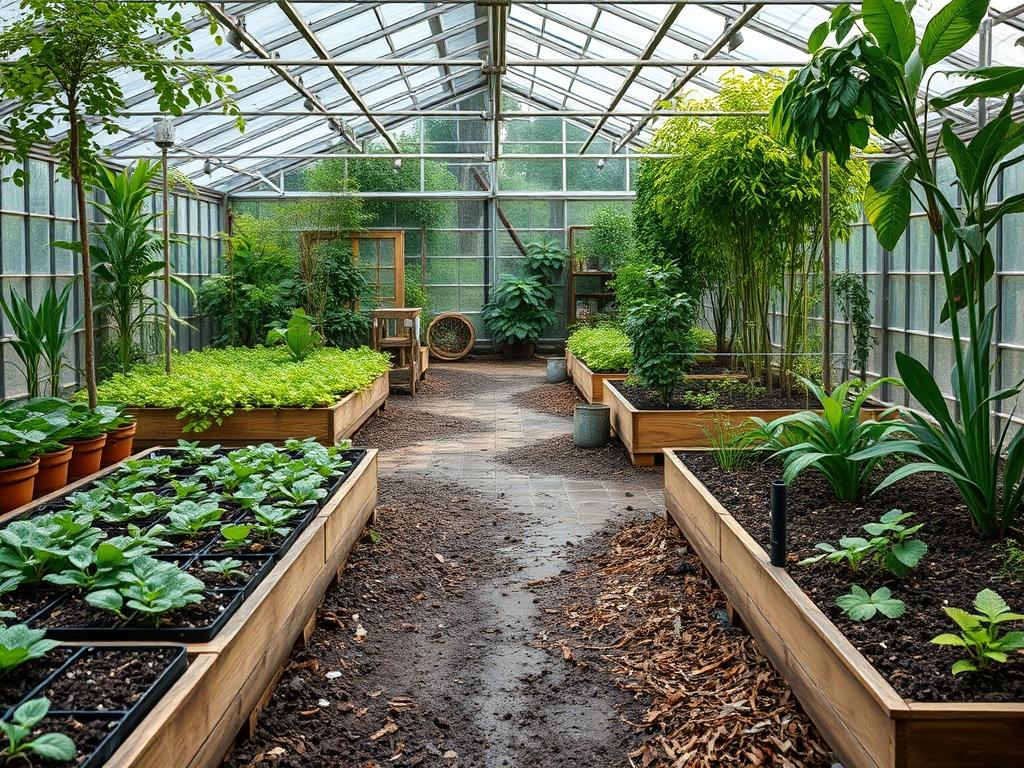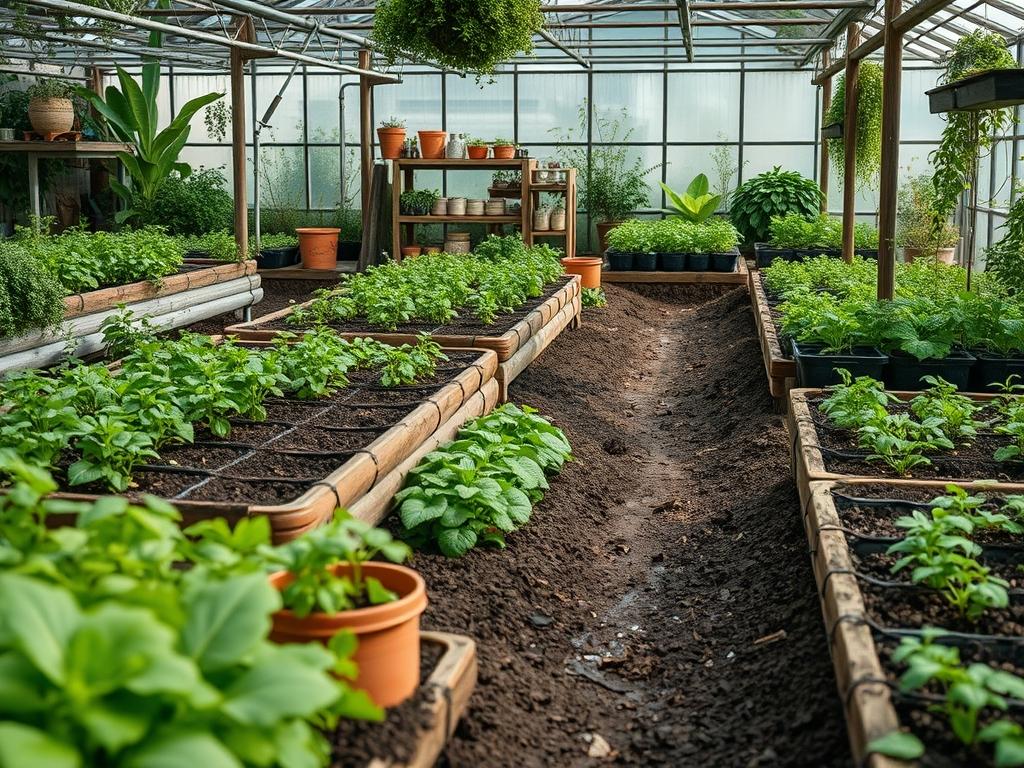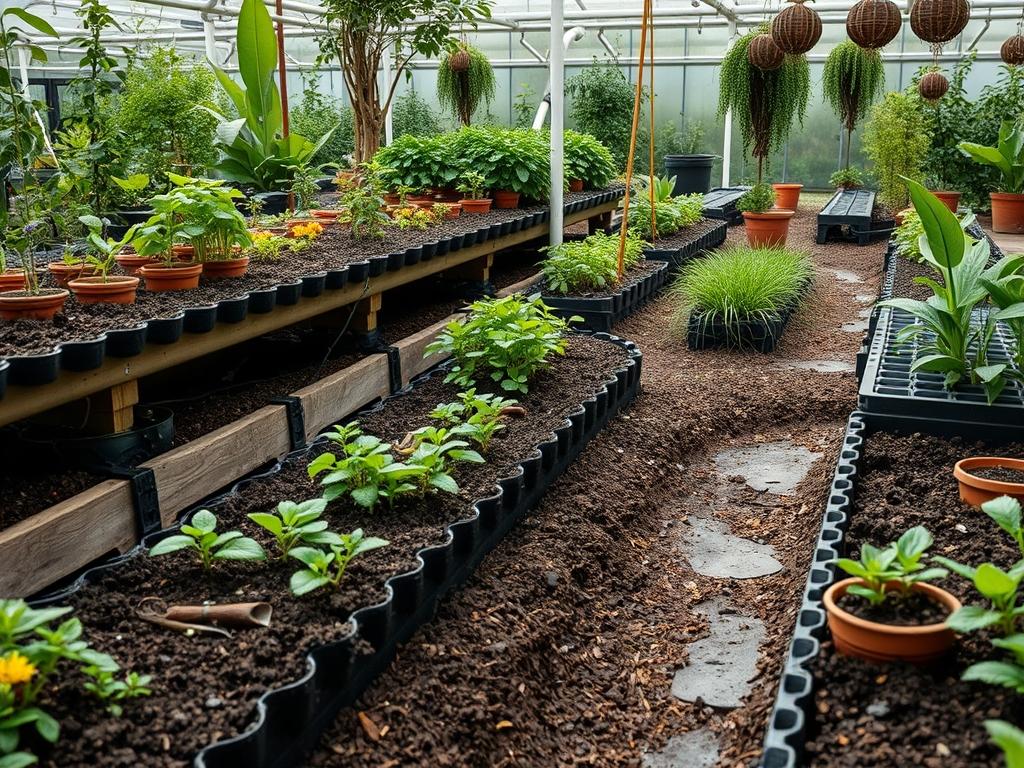
Why Forest Floor Mimicry is the Ultimate Goal for Soil Health

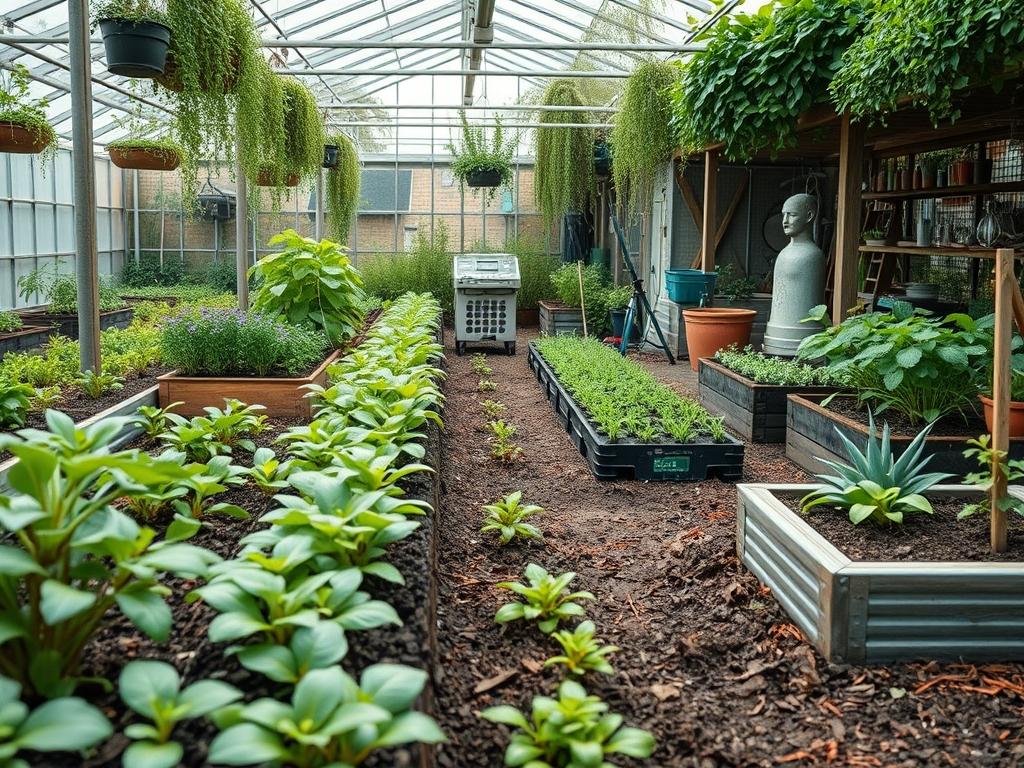
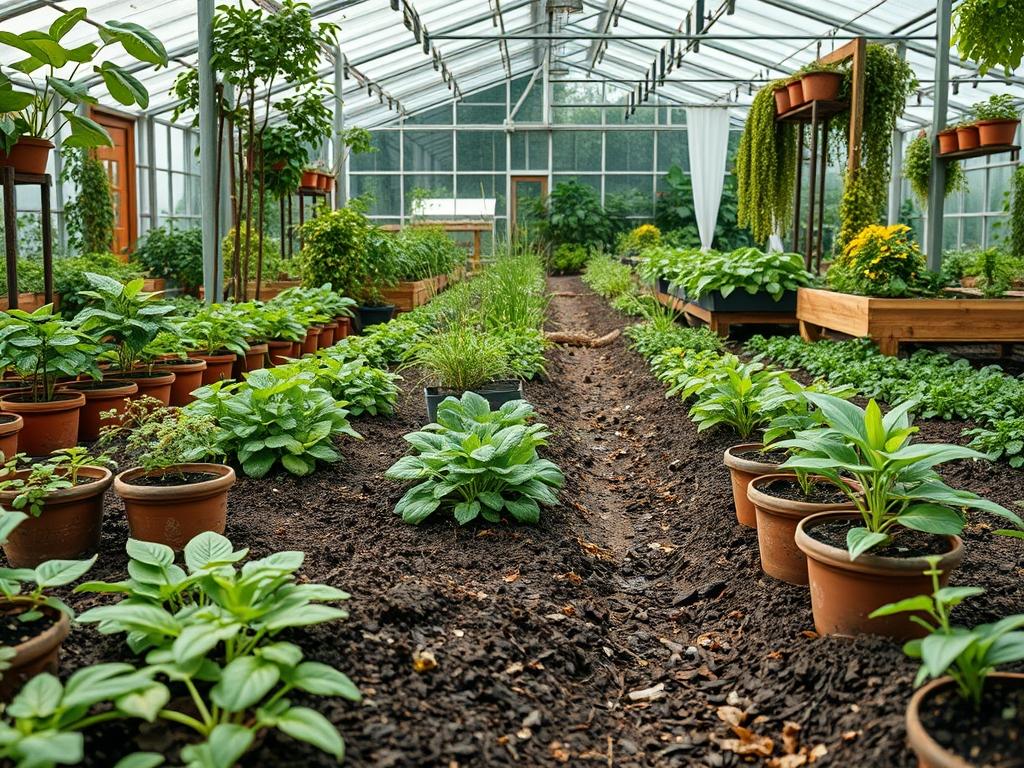
Forest Floor Mimicry

The modern landscape architect often faces a paradox where the desire for a sterile, manicured aesthetic directly conflicts with the biological requirements of a thriving ecosystem. We spend thousands of dollars on synthetic fertilizers and complex irrigation systems to sustain plants that are struggling because we have stripped away their natural life support system. Forest … Read more

Expert Guide to Urban Soil Restoration and Heavy Metal Safety

Urban Soil Restoration

Urban environments present a unique paradox for the modern landscape architect. While the demand for green space and high curb appeal increases, the underlying substrate often bears the chemical legacy of industrialization, lead based paints, and historical atmospheric deposition. Urban soil restoration is not merely a cosmetic endeavor but a critical safety protocol. When planning … Read more

How to Use Bio-remediation Basics to Clean Contaminated Soil

Bio-remediation Basics

The realization that your soil contains legacy contaminants like heavy metals, petroleum hydrocarbons, or pesticides can be a significant roadblock for any ambitious landscaping project. Whether you are dealing with a former industrial site or a suburban lot with lead paint residue, soil health is the non negotiable foundation of outdoor functionality. Restoring this foundation … Read more

The Best Tools for Measuring Professional Soil Compaction Levels

Professional Soil Compaction

The hidden architecture of any successful outdoor environment begins several inches below the finished grade. While high-end aesthetics and curated curb appeal capture the immediate attention of a homeowner, the long-term viability of a landscape depends entirely on the physical state of the substrate. Professional soil compaction represents one of the most significant challenges in … Read more

Understanding and Reducing Microplastic Soil Pollution at Home

Microplastic Soil Pollution

The architectural integrity of a modern residential landscape depends on more than just visual symmetry or the seasonal bloom of perennials. Today, professional landscape design must address a growing environmental hazard found within the very soil we cultivate: microplastic soil pollution. These tiny fragments, often measuring less than 5 millimeters, originate from the degradation of … Read more

How to Improve Carbon Sequestration Tips in Home Garden Soils

Carbon Sequestration Tips

Transforming a standard residential landscape into a high-performance carbon sink requires a shift in perspective. Homeowners often view the garden through the lens of aesthetics and curb appeal, yet the soil beneath the turf represents one of the most effective tools for climate mitigation. Carbon sequestration in home gardens is the process by which atmospheric … Read more

10 Steps to Starting Regenerative Soil Management in Your Yard

Regenerative Soil Management

Regenerative soil management represents a fundamental shift in how we approach the outdoor environment. For decades, the standard landscaping model focused on aesthetic surface treatments that often came at the expense of the underlying ecosystem. We saw heavy reliance on synthetic fertilizers, frequent tilling, and the removal of organic biomass. However, modern landscape architecture now … Read more

Expert Guide to the Best Soil for Scallions and Green Growth

Best Soil for Scallions

Integrating edible elements into a sophisticated outdoor environment requires more than a simple garden patch; it demands an architectural approach to soil health and spatial configuration. For the landscape architect, the challenge lies in balancing aesthetic elegance with the highly specific physiological needs of culinary plants. Scallions, often overlooked in high-design palettes, offer a unique … Read more

Tips for Selecting the Best Leek Soil Requirements and Trenching

Leek Soil Requirements

Integrating a productive kitchen garden into a sophisticated landscape design requires a balance between architectural structure and biological necessity. While many homeowners view vegetable patches as utilitarian zones relegated to the backyard corner, the modern landscape architect sees them as opportunities for texture, verticality, and year-round visual interest. The leek, specifically, offers a unique aesthetic … Read more