
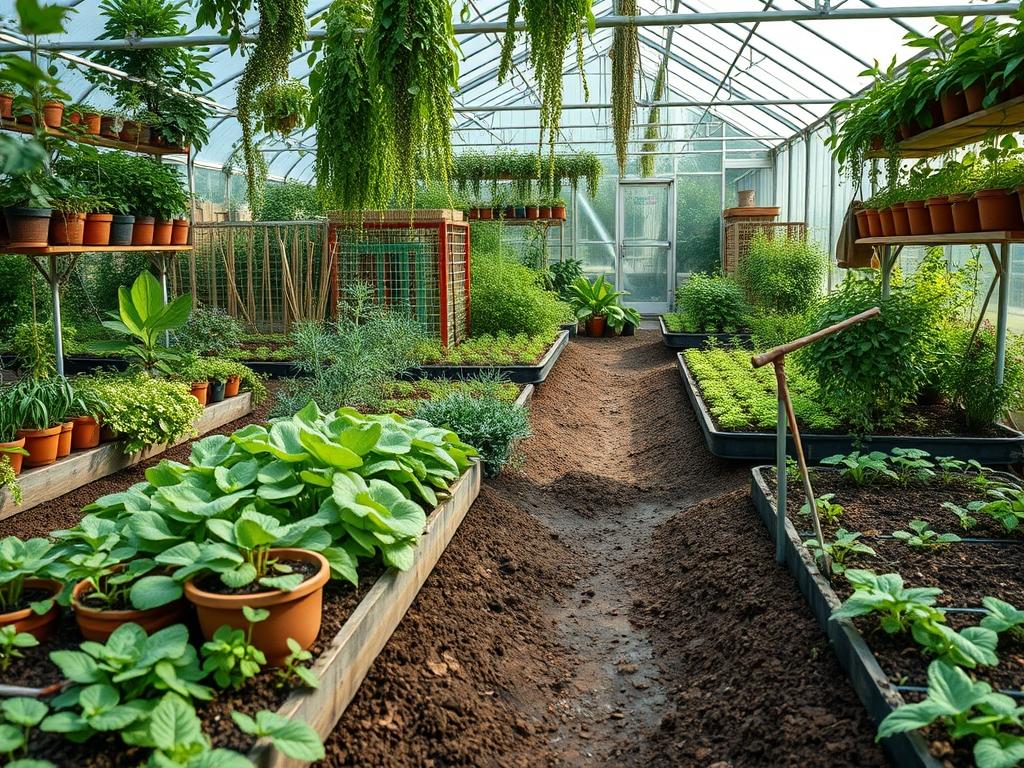
Regenerative soil management represents a fundamental shift in how we approach the outdoor environment. For decades, the standard landscaping model focused on aesthetic surface treatments that often came at the expense of the underlying ecosystem. We saw heavy reliance on synthetic fertilizers, frequent tilling, and the removal of organic biomass. However, modern landscape architecture now prioritizes the biological engine of the yard. By adopting a regenerative approach, we can address common challenges such as poor drainage, soil compaction, and high water bills while simultaneously increasing curb appeal and property value. The goal is to create a self-sustaining system where the soil becomes more fertile and resilient over time, providing a robust foundation for a lush, functional landscape that thrives despite local climate fluctuations.
Effective landscape planning begins with a thorough understanding of the site microclimates. Every yard has unique thermal zones, wind patterns, and moisture pockets that dictate how plants will perform. When we design for regenerative health, we look beyond the visual layer to see how water moves across the topography. By integrating soil restoration into the initial design phase, we ensure that the outdoor living space is not just a static picture, but a living organism. This requires a professional eye for detail, focusing on how retaining walls, walkways, and garden beds interact with the natural flow of nutrients and water.
Landscape Design Principles
A successful landscape relies on a balanced distribution of visual weight and structural integrity. Symmetry is often used near entrances to create a sense of order and formality, while asymmetrical groupings in the backyard can mimic natural woodland or meadow environments. To achieve professional results, one must designate focal points such as a specimen tree or a high quality stone water feature. These elements draw the eye and provide a sense of scale against the house.
Elevation layers are equally critical. A flat yard often feels uninspired and lacks biological diversity. By using screened topsoil to create gentle berms or installing tiered planters, we introduce vertical interest and varying drainage zones. This allows for a wider palette of plants with different water requirements. Irrigation planning should be integrated early, favoring drip irrigation systems that deliver water directly to the root zone, minimizing evaporation and preventing the fungal issues associated with overhead spraying. Furthermore, the layout must include clear hardscape paths using permeable pavers or crushed stone to prevent foot traffic from compacting the restored soil in active growing zones.
Plant and Material Selection
Selecting the right materials is the cornerstone of the regenerative process. We prioritize plants that build soil structure and foster microbial life. The following table highlights key species and materials for a regenerative landscape.
| Plant Type | Sun Exposure | Soil Needs | Water Demand | Growth Speed | Maintenance Level |
| :— | :— | :— | :— | :— | :— |
| White Clover | Full Sun/Part Shade | Adaptable | Low | Fast | Low |
| Comfrey | Part Shade | Organic Matter | Moderate | Fast | Moderate |
| Oak Trees | Full Sun | Deep Loam | Moderate | Slow | Low |
| Switchgrass | Full Sun | Sandy to Clay | Very Low | Moderate | Low |
| Echinacea | Full Sun | Well Drained | Low | Moderate | Low |
| Arborvitae | Full Sun/Part Shade | Consistent Moisture | Moderate | Moderate | Moderate |
In addition to plants, the choice of mulching material is vital. Wood chips, pine straw, and leaf mold serve as slow release fertilizers that protect the soil surface from erosion and temperature extremes. Using a spade to define clean edges between turf and beds ensures that these materials stay in place, maintaining a polished appearance.
Implementation Strategy
The transition to regenerative soil management follows a logical progression of ten professional steps. First, perform a comprehensive soil analysis using a probe to check for compaction layers and a pH kit to determine acidity. Second, address site grading. Ensure the land slopes away from the foundation at a minimum of two percent to prevent basement dampness and root rot. Third, utilize a broadfork to aerate the ground without flipping the soil layers, which preserves the delicate fungal networks. Fourth, apply a layer of high quality compost mixed with biochar to boost carbon sequestration and nutrient holding capacity.
Fifth, layout your hardscaping elements like stepping stones or edging to define the traffic flow. Sixth, install the main irrigation lines, ensuring they are buried below the frost line for your region. Seventh, begin the planting phase by placing your largest trees and shrubs first, followed by perennials and groundcovers. Eighth, incorporate a “living mulch” by planting high density groundcovers that shade the soil. Ninth, apply a 3 inch layer of organic mulch over all exposed soil surfaces to lock in moisture. Finally, tenth, apply a liquid seaweed extract or compost tea to inoculate the new landscape with beneficial microbes, giving the plants a professional grade start.
Common Landscaping Failures
One of the most frequent mistakes in residential landscaping is improper drainage management. When water is allowed to pool against retaining walls or in low spots, it creates anaerobic conditions that kill beneficial soil bacteria and stress plant roots. Another common failure is root overcrowding. Designing a landscape based on the size of plants at the nursery, rather than their mature dimensions, leads to a cluttered mess that requires constant pruning and results in poor air circulation.
Soil compaction is perhaps the greatest enemy of the regenerative system. Heavy equipment used during construction often leaves the ground as hard as concrete, preventing water infiltration. Attempting to plant directly into this without remediation is a recipe for failure. Additionally, many homeowners rely on plastic weed barriers. These materials eventually break down into microplastics and prevent the natural exchange of gases and organic matter between the surface and the subsoil. Professional architects avoid these barriers, opting instead for dense planting and organic mulch to suppress weeds.
Seasonal Maintenance
Landscape management is a year round commitment that changes with the cycles of the soil. In the spring, the focus is on waking up the biological system. This involves removing any heavy winter debris that might smother emerging plants and applying a fresh 1 inch top dressing of composted manure. Summer maintenance focuses on moisture conservation. Check your irrigation timers and ensure that mulch depths are maintained at approximately 3 to 4 inches to protect roots from the heat.
Autumn is the season for building future fertility. Rather than bagging fallen leaves, shred them with a mower and leave them on the beds to decompose. This is also the ideal time to plant cover crops in any vegetable or annual zones to keep the biology active through the cold months. Winter is a period of rest and structural observation. It is the best time to prune deciduous trees and shrubs with sharp loppers while they are dormant, and to plan for the next year’s enhancements based on how the landscape handled the winter snow and drainage challenges.
Professional Landscaping FAQ
How long does it take to see soil improvement?
Visible changes in soil structure and plant vigor typically appear within one full growing season. However, significant increases in organic matter and microbial diversity usually require three years of consistent regenerative practices to reach a stable, self sustaining state.
Can I use regenerative methods with a traditional lawn?
Yes, you can transition a lawn by core aerating and top dressing with fine compost. Using a mulching mower to return clippings to the turf provides free nitrogen, eventually reducing the need for external fertilizers and increasing drought resistance.
What is the best way to handle steep slopes?
Slopes should be managed with terracing or boulder outcroppings to slow water runoff. Planting deep rooted native grasses and using jute netting helps stabilize the soil while the regenerative biological processes establish a firm root matrix.
Is biochar necessary for every landscape project?
While not mandatory, biochar acts as a permanent coral reef for soil microbes. It is particularly beneficial in sandy soils that lean toward nutrient leaching or in heavy clay that requires permanent structural improvement for better aeration.
Do regenerative gardens require more weeding?
Initially, you may see weeds as dormant seeds sprout, but as you establish a dense canopy of “living mulch” and maintain organic mulch layers, weed pressure decreases significantly compared to traditional gardens with exposed, disturbed soil.