
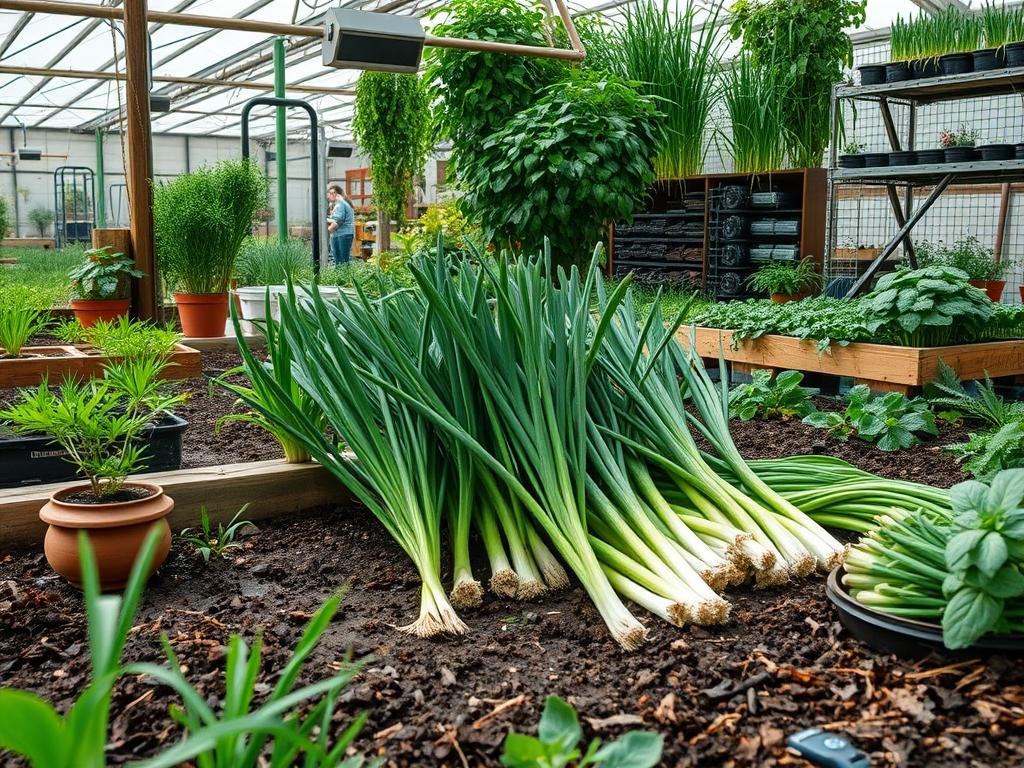
Integrating edible elements into a sophisticated outdoor environment requires more than a simple garden patch; it demands an architectural approach to soil health and spatial configuration. For the landscape architect, the challenge lies in balancing aesthetic elegance with the highly specific physiological needs of culinary plants. Scallions, often overlooked in high-design palettes, offer a unique verticality and fine texture that can complement modern minimalist or traditional cottage styles. Achieving lush, vibrant green growth depends entirely on the biological foundation provided by the best soil for scallions. In diverse climates, from the humid Atlantic coast to the arid Southwest, the success of these plants hinges on a substrate that balances moisture retention with aggressive drainage. When properly sited, these alliums serve as functional borders that enhance curb appeal while providing a sustainable food source for the outdoor kitchen.
The functionality of a professional landscape relies on the precise management of site conditions, particularly when high-density planting is involved. Designers must consider how soil structure affects the long-term viability of the entire installation. Scallions thrive in environments where the root zone remains oxygenated and nutrient-dense. This means the transition between decorative hardscaping and softscaping must be seamless. If the soil is too heavy or the site lacks proper grading, the landscape loses its crispness as plants yellow and fail to maintain their upright posture. By prioritizing soil quality as a core structural component, consultants can ensure the garden remains an asset rather than a maintenance burden.
Landscape Design Principles
Effective garden planning for alliums follows the same rigorous standards as any master-planned estate. Symmetry plays a vital role here; using scallions as a repetitive vertical element creates a sense of order and rhythm along walkways or within geometric raised beds. These plants function as an excellent mid-layer in a tiered garden, sitting between low-lying groundcovers and taller woody shrubs. By positioning them in clusters, designers create focal points that catch the morning light and draw the eye toward the deeper layers of the landscape.
Elevation layers are critical for drainage and visual interest. In many professional designs, we utilize retaining walls or steel edging to create slightly elevated growing zones. This physical separation prevents soil compaction from foot traffic and allows for the introduction of a specialized loam mix that might differ from the native soil of the surrounding lawn. Irrigation planning must be discretized to ensure that while the lawn receives its broad application, the scallion beds receive targeted moisture via drip emitters or soaker hoses hidden beneath a layer of organic mulch. This prevents the saturation of the foliage, which is a common cause of fungal issues in dense plantings.
Visual balance is achieved by contrasting the fine, tubular leaves of the scallion with broad-leafed perennials. The deep greens of the allium family provide a sophisticated backdrop for silver-toned foliage or vibrant flowering plants. When designing walkways, we often place these fragrant greens within reach of the path, allowing the subtle aroma to enhance the sensory experience of the outdoor living space.
Plant and Material Selection
Selecting the right materials is the cornerstone of any sustainable landscape. The table below outlines the necessary components for a thriving green growth environment.
| Plant Type | Sun Exposure | Soil Needs | Water Demand | Growth Speed | Maintenance Level |
| :— | :— | :— | :— | :— | :— |
| Scallions | Full Sun | Sandy Loam | Moderate | Fast | Low |
| Chives | Full Sun to Partial | Compost-Rich | Moderate | Medium | Low |
| Boxwood | Partial Shade | Well-Drained | Low to Moderate | Slow | Medium |
| Rosemary | Full Sun | Arid/Gritty | Low | Medium | Low |
| Dwarf Citrus| Full Sun | Acidic Mix | High | Slow | High |
The best soil for scallions is a high-quality sandy loam with a pH level between 6.0 and 7.0. This specific range ensures that micronutrients like nitrogen and phosphorus are readily available for rapid foliage development. We recommend a mix consisting of 40% compost, 40% topsoil, and 20% coarse sand or perlite to facilitate air movement around the root system.
Implementation Strategy
Executing a professional layout begins with rigorous site preparation. We start by grading the area to ensure that water moves away from the foundation of the home and toward appropriate drainage swales or French drains. Once the sub-grade is established, we install landscape fabric only under hardscaped paths, keeping the planting zones open to ensure natural microbial activity can flourish.
For a backyard scallion installation, we recommend using powder-coated aluminum edging or cedar heartwood to define the beds. These materials provide a clean, modern aesthetic while containing the specialized soil mix. The soil should be installed in lifts of 4 inches, lightly tamped to remove large air pockets without causing the compaction that stunts root growth. A total depth of 8 to 12 inches of prepared soil is ideal for alliums.
After the soil is in place, we integrate a 10-10-10 slow-release fertilizer into the top 3 inches of the substrate. The planting process involves spacing the starts 2 to 3 inches apart in rows or decorative clusters. Once planted, a 2-inch layer of shredded hardwood mulch or pine straw is applied. This mulch serves multiple purposes: it regulates soil temperature, suppresses weeds, and prevents the “splash-back” of soil onto the leaves during rain events, which keeps the harvest clean and reduces disease risk.
Common Landscaping Failures
The most frequent error in residential landscapes is improper drainage. When alliums sit in stagnant water, they succumb to root rot almost immediately. This is often caused by installing gardens in low spots without correcting the underlying clay content of the native soil. Soil compaction is another silent killer. When contractors or homeowners step into the planting beds during maintenance, they crush the macro-pores in the soil, suffocating the roots.
Another common failure is root overcrowding. While the desire for an “instant” garden is understandable, planting scallions too densely leads to poor air circulation. This creates a microclimate ripe for downy mildew and rust. Furthermore, irrigation inefficiency often plagues these projects. Over-head spraying is wasteful and can lead to uneven growth. A transition to sub-surface irrigation ensures that the water reaches the root zone exactly where it is needed, reducing evaporation and water utility costs. Finally, failing to monitor soil pH can lead to nutrient lockout, where the nutrients are present in the soil but the plant cannot absorb them due to high acidity or alkalinity.
Seasonal Maintenance
To maintain the architectural integrity of a scallion-focused landscape, a seasonal schedule is mandatory. In the spring, the focus is on replenishment. We recommend top-dressing the beds with 1 inch of fresh compost and applying a nitrogen-heavy organic booster to encourage vigorous green growth. This is also the time to inspect irrigation lines for leaks or clogs caused by winter debris.
During the summer, moisture management is the priority. As temperatures rise, the evapotranspiration rate increases. We adjust the irrigation controller to water in the early morning hours, ensuring the plants are hydrated before the heat of the day. In autumn, as growth slows, we reduce the watering frequency. This is the ideal time to harvest the larger plants and thin the rows to prepare for the cooler months.
In the winter, for zones that experience hard freezes, we apply a heavier 4-inch layer of mulch to insulate the root zone. While scallions are remarkably hardy, protecting the soil from the freeze-thaw cycle prevents the plants from being “heaved” out of the ground. For those in milder climates, winter is an excellent time to perform soil tests and adjust the mineral balance before the spring push.
Professional Landscaping FAQ
How do I improve drainage in heavy clay soil?
Incorporate coarse sand and organic compost into the top 12 inches. For severe cases, install a perforated drainage pipe encased in gravel beneath the planting bed to channel excess water away from the delicate root systems.
What is the best way to prevent soil compaction?
Design your garden with permanent walkways and stepping stones to ensure that feet never touch the growing medium. Use long-handled tools to reach the center of wide beds without stepping into the planting zone.
Can I grow scallions in containers on a patio?
Yes, use a high-quality potting mix amended with perlite. Ensure the container has multiple drainage holes. Containers dry out faster than the ground, so monitor moisture levels daily during the peak of the summer heat.
What are the signs of nitrogen deficiency?
The oldest leaves will turn a pale yellow while the rest of the plant remains light green. To fix this, apply an organic liquid fertilizer or a top-dressing of blood meal to satisfy the plant’s high nitrogen demand.
How often should I test my soil pH?
Perform a professional soil test every two years. This ensures that the pH remains in the optimal 6.0 to 7.0 range. Regular testing allows you to make incremental adjustments with lime or sulfur before growth is impacted.