
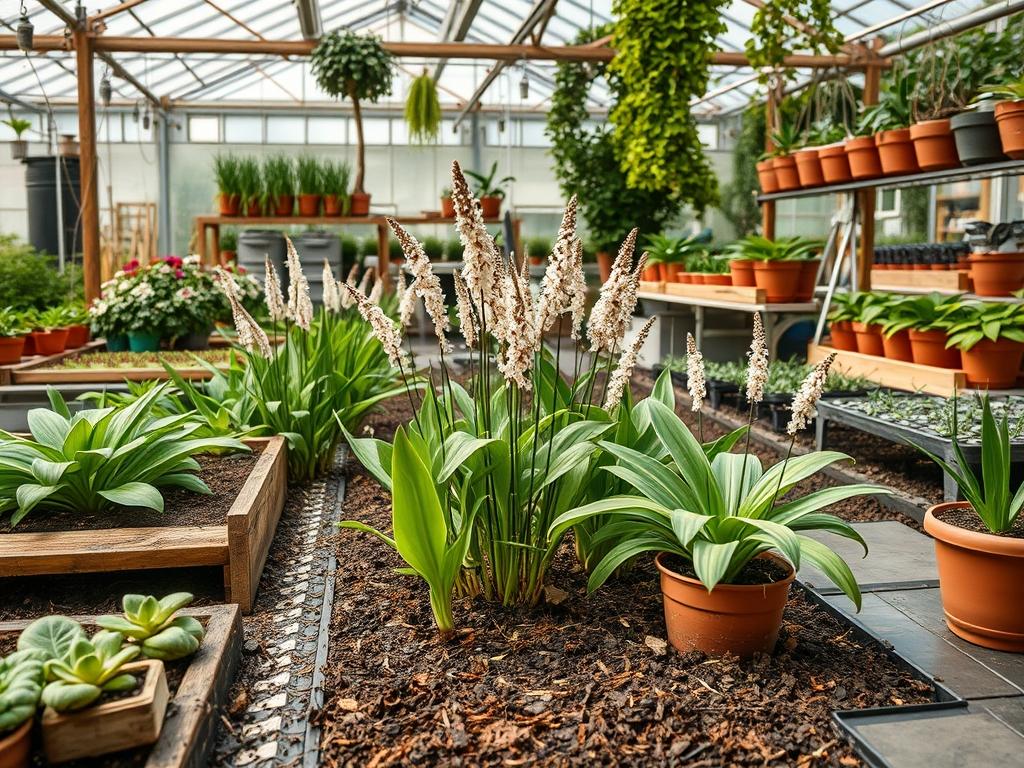
Achieving a balance between moisture retention and gas exchange represents the highest hurdle in professional orchid cultivation and large scale tropical landscaping. While standard horticultural practices often prioritize water holding capacity, the management of epiphytic species requires a specialized focus on the structural integrity of the substrate. Orchid bark, primarily derived from the Douglas Fir or Monterey Pine, provides the necessary mechanical architecture to support root systems while preventing the onset of anaerobic conditions. In professional outdoor environments, particularly those integrating vertical green walls or specialized atrium displays, the choice of bark size and the precision of mixing ratios dictate the longevity of the installation. A landscape’s curb appeal often hinges on the vibrancy of these focal plants. Therefore, a consultant must view the substrate not merely as dirt, but as a ventilated medium that mimics the naturally occurring detritus found in forest canopies.
When designing a landscape that incorporates these specialized needs, the architect must consider the atmospheric humidity and the local rainfall patterns of the site. In regions with high ambient moisture, the substrate requires a higher percentage of large, coarse materials to ensure that water moves through the profile rapidly. Conversely, in more arid climates, the ratio must be adjusted to include finer particulates that can hold water long enough for the root velamen to absorb it. This systemic approach to garden planning ensures that the outdoor functionality is maintained without the frequent need for manual intervention or replacement of failed plant material. By focusing on the structural health of the root zone through meticulously calculated orchid bark ratios, we create a resilient ecosystem that thrives under varying environmental pressures.
Landscape Design Principles
Symmetry and visual balance in the landscape are often achieved through the thoughtful placement of focal points, such as elevated planter beds or custom-built wooden pergolas draped with epiphytes. To maintain this aesthetic, the underground or container-bound infrastructure must be flawless. Elevation layers play a critical role here; by varying the height of planting zones, a designer can create distinct microclimates. Higher elevations naturally drain faster, making them ideal for large-grade Orchid Bark mixes. Irrigation planning must be synchronized with these materials. For instance, a high-airflow mix consisting of Large Grade Fir Bark and Horticultural Charcoal will require more frequent, shorter bursts of water from a precision misting system to prevent the medium from drying out completely.
Walkways and hardscaping elements serve more than just a functional purpose; they act as the frames for our biological displays. When orchid-heavy beds border a stone path, the drainage must be managed to prevent runoff from staining the masonry. This is where the landscape architect utilizes grading to direct water away from the structural foundations and toward dedicated drainage channels. By incorporating a base layer of River Rock or Crushed Granite beneath the orchid bark medium, we ensure that the transition between the organic substrate and the mineral soil does not result in siltation or clogging. This layering creates a visual and functional harmony, allowing the vibrant blooms of the orchid species to stand out against the structured lines of the modern landscape.
Plant and Material Selection
The selection process involves matching the specific biological demands of the plant with the physical properties of the substrate. The following table outlines standard selections for integrated orchid landscapes.
| Plant Type | Sun Exposure | Soil Needs | Water Demand | Growth Speed | Maintenance Level |
| :— | :— | :— | :— | :— | :— |
| Cattleya Orchid | Partial Sun | Coarse Bark Mix | Moderate | Slow | Medium |
| Phalaenopsis | Dappled Shade | Medium Bark/Moss | High | Moderate | High |
| Dendrobium | Bright Light | Small Grade Bark | Moderate | Fast | Medium |
| Vanda Orchid | Full Sun | Large Bark/Basket | High | Moderate | High |
| Bromeliad | Partial Shade | Bark/Perlite Ratio | Low | Fast | Low |
| Bird of Paradise| Full Sun | Loamy/Bark Mix | Moderate | Fast | Low |
For a standard professional mix, we often recommend a 3:1:1 ratio. This consists of three parts Orchid Bark, one part Perlite, and one part Horticultural Charcoal. The Perlite provides permanent aeration that does not break down over time, while the Charcoal acts as a filter to remove impurities and salts that can accumulate from synthetic fertilizers. In a landscape setting where plants are exposed to the elements, this ratio provides a buffer against the compaction caused by heavy rain.
Implementation Strategy
The process begins with the grading of the site to ensure a 2 percent slope away from any permanent structures. Once the site is leveled, we establish the edging using Powder Coated Steel or Pressure Treated Timber to define the boundaries of the orchid beds. For an in-ground tropical display, we excavate to a depth of 12 inches, discarding the heavy clay or compacted native soil. A layer of Geotextile Fabric is laid down to prevent the migration of silt into our specialized mix.
We then install a 4 inch base of Drainage Gravel. On top of this, the primary orchid bark medium is installed. To achieve the perfect orchid bark ratios for a residential or commercial garden, the mixing should be done off-site or in a large industrial mixer to ensure uniformity. We typically use a Medium Grade Fir Bark for the bulk of the volume. This is supplemented with Sphagnum Moss if the localized environment is prone to low humidity. The mulch depth should never exceed 3 inches near the crown of the plant, as excessive depth can lead to stem rot. For hanging installations or vertical walls, we secure the plants using Stainless Steel Wire and pack the medium tightly enough to provide support but loosely enough to allow a 1/2 inch gap between larger bark chunks for maximum airflow.
Common Landscaping Failures
The most frequent failure in high-end orchid landscaping is the use of degraded or overly fine materials. As Orchid Bark organic matter decomposes, the particle size decreases, which leads to soil compaction. This reduces the available oxygen to the roots, essentially suffocating the plant. Professional consultants must schedule a media refresh every 24 to 36 months to prevent this decline. Another common mistake is the lack of proper irrigation zoning. Mixing high-water-demand plants with epiphytes in the same irrigation loop often results in the orchids being overwatered, leading to root pathogens like Pythium.
Improper spacing also contributes to poor airflow. If the canopy of the landscape becomes too dense, the lack of wind movement allows humidity to stagnate, creating a breeding ground for scale and mealybugs. Designers must account for the mature spread of all Native Plants used in the surrounding landscape to ensure that the orchid focal points remain ventilated. Finally, neglecting the drainage transition at the retaining wall can lead to water pooling, which destroys the integrity of the bark mix within weeks.
Seasonal Maintenance
Spring is the primary season for aggressive maintenance and media assessment. This is the time to check the structural integrity of the Orchid Bark. If the bark crumbles easily between the fingers, it has lost its lignin content and must be replaced. During the summer months, the focus shifts to irrigation management. We increase the frequency of the misting cycles, ensuring that the Bark Ratios are effectively holding enough moisture to survive the peak heat of the day.
Autumn requires a reduction in nitrogen-heavy fertilizers to allow the plants to harden off before the cooler months. We also clear away any fallen leaf litter from the surface of the orchid beds, as this debris can trap moisture and promote fungal growth. In winter, protection is the priority. For outdoor landscapes in marginal zones, we may add a temporary top-layer of Long-Fiber Sphagnum to provide a thermal buffer against light frosts. This layer is removed as soon as the overnight temperatures consistently rise above 50 degrees Fahrenheit.
Professional Landscaping FAQ
What is the ideal orchid bark ratio for general use?
A standard professional ratio is 3 parts Fir Bark, 1 part Perlite, and 1 part Charcoal. This combination ensures a balance between moisture retention, structural stability, and air circulation within the root zone for most epiphytic species.
Can I use regular mulch instead of orchid bark?
No, regular mulch is designed to decompose and retain heat. It compacts too quickly for orchids. Orchid Bark is specifically processed to maintain its shape and allow for internal air pockets that prevent root rot.
How do I know if my bark mix needs replacing?
Check the medium annually. If the bark appears dark, feels mushy, or has broken down into small soil-like particles, it has lost its aeration properties. Fresh Orchid Bark should be firm and have distinct, angular edges.
Why is charcoal included in orchid bark ratios?
Horticultural Charcoal is added because it is highly porous and stays structural for years. It absorbs organic toxins and excess salts from fertilizers, keeping the root environment clean while significantly increasing the total surface area for airflow.
Does bark size affect irrigation frequency?
Yes, larger bark chunks create bigger air gaps and dry out faster. If you use Large Grade Bark, you must increase irrigation frequency. Small Grade Bark holds more water and is suited for environments with lower watering schedules.