
Integrating a productive kitchen garden into a sophisticated landscape design requires a balance between architectural structure and biological necessity. While many homeowners view vegetable patches as utilitarian zones relegated to the backyard corner, the modern landscape architect sees them as opportunities for texture, verticality, and year-round visual interest. The leek, specifically, offers a unique aesthetic with its blue-green, fan-like foliage and substantial height. However, achieving the pristine white shanks prized in culinary circles requires a rigorous understanding of site engineering and soil science. When we evaluate Leek Soil Requirements, we are not merely looking at dirt; we are looking at the foundation of a structural plant that demands specific drainage, nutrient density, and physical space to thrive within a larger outdoor environment.
Designing a landscape that accommodates leeks involves more than just selecting a sunny spot. These plants possess a long maturation cycle, often remaining in the ground for six to eight months. This longevity means they must be situated where they will not interfere with shifting seasonal aesthetics or the maintenance of nearby perennials. A well-planned garden layout treats the leek bed as a focal point of geometry. By utilizing organized rows or concentric circles, a designer can create a formal appearance that mirrors the clean lines of contemporary hardscaping. The success of this installation hinges on the initial site analysis, where slope, sun exposure, and soil composition are meticulously documented to ensure the environment supports the heavy feeding habits of the Allium family.
Landscape Design Principles
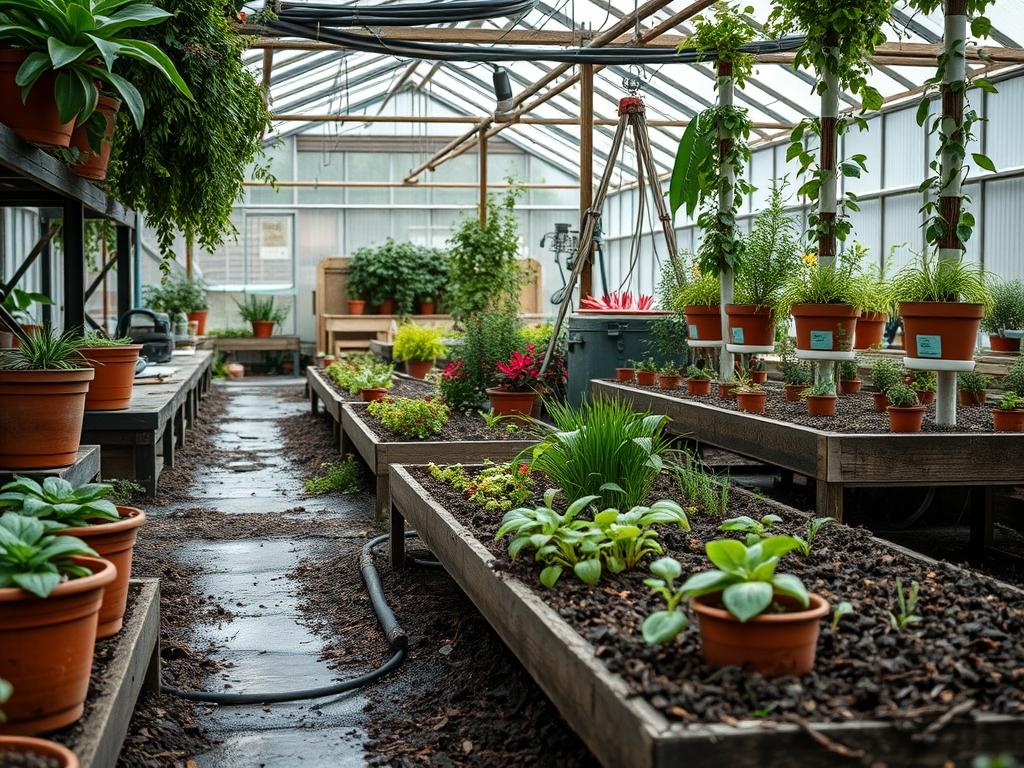
In professional landscape architecture, symmetry and repetition are the tools used to create harmony. When incorporating leeks, these principles are easily applied because of the plant’s upright, linear growth habit. A series of raised beds constructed from western red cedar or natural stone can provide the necessary elevation layers to make the garden feel like an intentional part of the property’s design. These elevated structures allow for precise control over the soil environment, which is critical for meeting the specific Leek Soil Requirements that native suburban clay often fails to provide.
Elevation also plays a crucial role in irrigation planning. Leeks require consistent moisture but are susceptible to root rot if water stagnates. By designing a garden with a slight 2 percent grade, a consultant ensures that excess rainfall moves away from the root zones while the primary irrigation system, such as a low-volume drip line, delivers water directly to the base of each plant. This level of planning prevents the common visual clutter of hoses and sprinklers, maintaining the sleek curb appeal of the property. Additionally, the use of walkways made from decomposed granite or irregular flagstone around the planting zones creates clear boundaries, preventing soil compaction from foot traffic and providing a clean, professional finish to the outdoor living space.
Plant and Material Selection
Selecting the right cultivars and supporting materials is essential for a cohesive aesthetic and a successful harvest. Below is a guide for integrating leeks and companion species into a high-end landscape.
| Plant Type | Sun Exposure | Soil Needs | Water Demand | Growth Speed | Maintenance Level |
| :— | :— | :— | :— | :— | :— |
| Leek (King Richard) | Full Sun | Rich Sandy Loam | Moderate | Slow | High |
| Rosemary | Full Sun | Well-Drained | Low | Medium | Low |
| Thyme | Full Sun | Gritty/Rocky | Low | Fast | Low |
| Allium Giganteum | Full Sun | Loamy | Moderate | Medium | Low |
| Garden Sage | Full Sun/Part Shade | Sandy | Low | Medium | Moderate |
| Mulch (Hemlock) | N/A | Weed Suppression | N/A | N/A | Seasonal |
Implementation Strategy
The implementation of a professional-grade leek garden begins with meticulous grading and soil preparation. The architectural goal is to create a subterranean environment that allows the leek to stretch downward. This is achieved through a technique known as trenching. To begin, use a trenching spade to excavate a channel approximately 8 inches deep and 6 inches wide. This trench is not merely a hole; it is a designed void that allows for the gradual hilling of soil around the plant as it grows. This process, known as blanching, deprives the lower portion of the stalk of light, resulting in the tender, white interior that is highly valued.
When considering Leek Soil Requirements, the mixture must be friable and rich in organic matter. A professional blend typically involves 40 percent screened compost, 40 percent sandy loam, and 20 percent aged manure. This composition ensures that the soil does not crust over, which would otherwise impede the expansion of the shanks. Before planting, it is vital to incorporate a 10-10-10 balanced fertilizer into the bottom of the trench to provide a slow-release nutrient source. Once the seedlings are placed at the bottom of the trench, only the base should be covered with soil initially. As the plant reaches toward the sun, the designer or gardener slowly backfills the trench over several months.
Hardscaping elements such as metal edging or pressure-treated timber should be used to define the perimeter of the trenching zone. This prevents the surrounding landscape mulch from contaminating the edible soil and maintains the sharp, crisp lines required for modern curb appeal. Furthermore, a layer of shredded hardwood mulch or pine straw applied at a depth of 2 inches around the top of the trench will help regulate soil temperature and retain moisture during the heat of the summer, ensuring the plants do not bolt prematurely.
Common Landscaping Failures
One of the most frequent errors in garden planning is the failure to address drainage. When soil is too heavy, water sits around the delicate root systems, leading to anaerobic conditions. This is particularly detrimental to leeks, which require a high level of oxygenation in the root zone. If the site has heavy clay, the installation of a French drain or a series of catch basins may be necessary to redirect subsurface water flow away from the planting beds. Skipping this step often results in stunted growth and a significant loss of plant material during wet seasons.
Another common mistake is improper spacing and root overcrowding. In an attempt to create a lush, full look immediately, many homeowners plant leeks too close together. This creates competition for both nutrients and sunlight. Professionally, leeks should be spaced at least 6 inches apart within the row, with rows separated by 12 inches. This spacing allows for adequate airflow, reducing the risk of fungal diseases such as leek rust. Furthermore, failing to account for the eventual height of the mature foliage can lead to an unbalanced visual composition where the leeks overshadow smaller, decorative border plants.
Seasonal Maintenance
Seasonal management is what separates a mediocre garden from a master-planned estate. In the spring, the focus is on soil aeration and the initial trenching. This is the time to test the soil pH, aiming for a range between 6.0 and 7.0. If the soil is too acidic, an application of pelletized lime may be required. As the season transitions into summer, the priority shifts to irrigation management and the progressive hilling of the soil. It is crucial to monitor for pests like the leek moth during this time, utilizing floating row covers as a physical barrier if necessary.
Autumn is the primary harvest window for many varieties, but it is also the time for soil remediation. As leeks are removed, the voids should be filled with organic leaf mold to restore the nutrient profile for the following year. In regions with milder winters, some leek varieties can be left in the ground. For these specimens, a heavy mulch layer of 4 inches of straw is recommended to protect the shanks from freeze-thaw cycles. This winter protection ensures that the architectural form of the garden remains intact even when the rest of the landscape has gone dormant.
Professional Landscaping FAQ
What is the ideal soil texture for leeks?
Leeks thrive in a loose, sandy loam that is rich in organic matter. This texture allows the roots to penetrate deeply and ensures that the long shanks can expand without resistance from compacted earth or heavy clay particles.
How deep should the initial trench be?
A professional-grade trench should be excavated to a depth of 8 to 12 inches. This depth allows for sufficient hilling throughout the growing season, which is necessary to produce the long, blanched white stalks required for culinary use.
Can leeks be grown in raised beds?
Yes, raised beds are an excellent choice for managing Leek Soil Requirements. They offer superior drainage and allow the designer to import a custom soil mix, avoiding the poor drainage issues often found in native ground soil.
How often should I fertilize my landscape leeks?
In addition to the initial soil amendment, leeks benefit from a high-nitrogen side-dressing every 4 to 6 weeks. Using a liquid seaweed extract or a granular organic fertilizer ensures the plants have the energy to produce large shanks.
What is the best way to prevent soil compaction?
To prevent compaction, design the garden with dedicated permanent walkways and avoid stepping into the planting beds. Using a long-handled garden fork to gently aerate the soil around the plants can also maintain the necessary friability.