
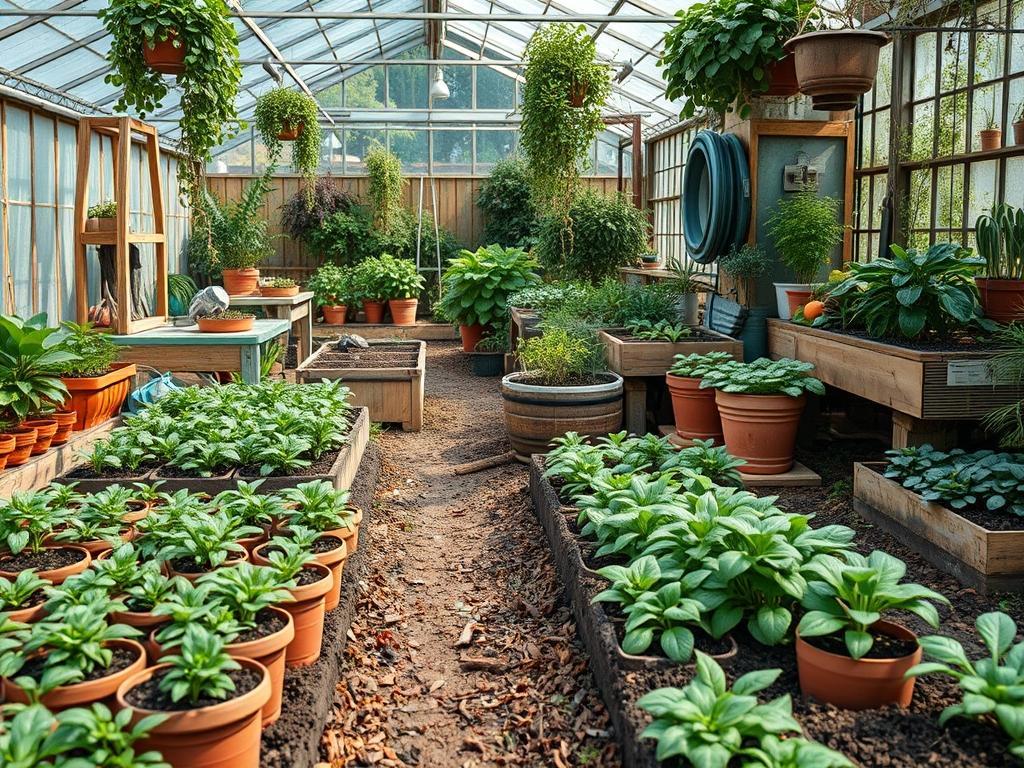
Transforming a standard residential landscape into a high-performance carbon sink requires a shift in perspective. Homeowners often view the garden through the lens of aesthetics and curb appeal, yet the soil beneath the turf represents one of the most effective tools for climate mitigation. Carbon sequestration in home gardens is the process by which atmospheric carbon dioxide is captured by plants and stored as stable organic matter in the earth. To achieve this, a landscape architect must balance visual symmetry with ecological function. A well-designed landscape does more than raise property value; it creates a cooling microclimate, manages stormwater through strategic Grading, and builds a resilient foundation for long-term plant health. Developing an effective plan involves understanding how Organic Matter interacts with soil structure and how specific Carbon Sequestration Tips can be integrated into a professional outdoor design without sacrificing the clean lines of a modern backyard.
Landscape Design Principles
Effective carbon-positive design begins with Elevation Layers. In a professional landscape, we categorize these as the canopy, the understory, and the ground plane. By maximizing the vertical volume of a garden, you increase the total photosynthetic surface area available to pull carbon from the air. High-density planting, when executed with proper Visual Balance, ensures that no sunlight is wasted on bare soil. Bare soil is a primary source of carbon loss, as ultraviolet light and heat accelerate the decomposition of organic compounds. To prevent this, architects use Living Mulch, which consists of low-growing groundcovers that weave between larger specimens to form a protective green carpet.
Symmetry and Focal Points serve to guide the eye and provide structure to what might otherwise look like a wild thicket. For instance, a pair of White Oak trees can frame a backyard view while providing deep root systems that bank carbon far below the surface. Walkways should be planned using Permeable Pavers or Crushed Stone to allow water to reach the Rhizosphere, the active zone around plant roots where carbon exchange is most frequent. Proper Irrigation Planning is also critical. Drip systems, rather than overhead sprays, maintain consistent moisture levels which are necessary for the microbial life that converts plant sugars into stable soil carbon. A dry, neglected soil bed will lose its ability to hold nutrients, eventually releasing stored gases back into the atmosphere.
Plant and Material Selection
Selecting the right biological components is the most direct way to influence sequestration rates. You must prioritize plants with extensive root systems and those that produce high levels of stable biomass.
| Plant Type | Sun Exposure | Soil Needs | Water Demand | Growth Speed | Maintenance |
| :— | :— | :— | :— | :— | :— |
| White Oak | Full Sun | Deep, Loamy | Moderate | Slow | Low |
| Big Bluestem | Full Sun | Well-Drained | Low | Moderate | Low |
| Switchgrass | Full to Part Sun | Versatile | Low to Moderate | Fast | Minimal |
| Red Clover | Full Sun | Moist | Moderate | Fast | Seasonal Mow |
| Comfrey | Part Shade/Sun | Rich, Organic | Moderate | Fast | Occasional Prune |
| Serviceberry | Part/Full Sun | Acidic/Neutral | Moderate | Moderate | Pruning Required |
| Buffalo Grass | Full Sun | Clay/Loamy | Very Low | Slow | Very Low |
The materials used for Hardscaping also play a role. Using Reclaimed Timber for Retaining Walls or locally sourced Fieldstone reduces the embodied carbon of the project. Furthermore, the application of Biochar, a form of charcoal produced from organic waste, can be integrated into the soil during the planting phase. This material provides a permanent structure for carbon storage that remains stable for hundreds of years.
Implementation Strategy
The first step in a professional layout is Site Grading. You must ensure that the land slopes away from the home foundation while creating small depressions, or Rain Gardens, in the landscape to capture runoff. Once the grade is established, the “No-Dig” method should be employed. Tilling the soil is one of the greatest failures in carbon management. It breaks up fungal networks and exposes buried carbon to oxygen, causing it to oxidize and disappear. Instead, layers of Compost and Cardboard are placed over the existing turf to kill weeds and build density without mechanical disruption.
Next, define your Edging to separate functional lawn areas from deep-sequestering perennial beds. Use Steel Edging or Stone Borders to create crisp lines that maintain curb appeal. When planting, incorporate Endomycorrhizal Fungi inoculants into the holes. These fungi form symbiotic relationships with roots, extending their reach and pumping carbon deeper into the subsoil. After the plants are in the ground, apply a 3-inch layer of Shredded Bark Mulch or Wood Chips. This inhibits evaporation and slowly breaks down into Humus, the dark, carbon-rich component of topsoil.
Drainage must be integrated into the hardscape. If you are installing a patio, ensure the sub-base consists of Open-Graded Aggregate. This allows water to infiltrate the soil rather than flowing into the street, keeping the subterranean ecosystem hydrated and active. By managing the water cycle locally, you sustain the plant life that serves as your primary carbon pump.
Common Landscaping Failures
One of the most frequent mistakes is Soil Compaction. When heavy machinery or excessive foot traffic compresses the soil, the pore spaces that hold air and water are crushed. This creates an anaerobic environment where carbon-sequestering microbes cannot survive. In many new constructions, the “soil” is actually dead fill dirt that lacks the biological activity required for sequestration. Another common error is Over-Fertilization with synthetic nitrogen. While this may cause a temporary growth spurt, it actually discourages plants from forming deep root structures and can harm the delicate balance of the Soil Food Web.
Root Overcrowding is a design failure that leads to plant stress and death. If trees are planted too close to Retaining Walls or Walkways, their ability to expand their root biomass is limited. This reduces their total sequestration potential. Furthermore, a lack of Plant Diversity or a reliance on monoculture turf leads to a shallow carbon profile. Lawns with Kentucky Bluegrass typically only have roots a few inches deep, whereas a diverse meadow can reach several feet into the earth.
Seasonal Maintenance
Landscape management is a year-round commitment to protecting the soil surface. During the Spring, the focus is on Mulch Refreshing and checking the Drip Irrigation Layer for leaks. This is also the time to add organic amendments like Kelp Meal or Fish Emulsion to stimulate early-season microbial activity. Avoid the urge to clean up every fallen leaf or twig immediately, as these materials provide the raw fuel for the carbon cycle.
In the Summer, moisture management is the priority. High heat can lead to soil cracking, which allows carbon to escape. Maintain a consistent Mulch Depth of at least 3 inches to insulate the ground. During Autumn, instead of bagging leaves and sending them to a landfill, use a Mulching Mower to shred them directly into the lawn or garden beds. This returns vital nutrients and carbon to the soil. In the Winter, avoid using harsh De-icing Salts on walkways, as the sodium can jump-start soil dispersion and damage the structure of the Clay Particles that help stabilize organic matter.
Professional Landscaping FAQ
How does mulch help with carbon sequestration?
Mulch acts as a protective barrier, preventing soil erosion and temperature fluctuations. As it decomposes, it contributes to the formation of Humus, which is a stable form of soil carbon that remains in the earth for decades.
Can a traditional lawn stay carbon neutral?
Most traditional lawns are carbon sources due to frequent mowing and chemical use. However, by using a Mulching Mower and reducing synthetic inputs, you can improve the soil’s ability to hold onto Organic Carbon over time.
What is the best soil type for storing carbon?
Soils with high Clay Content are generally better at stabilizing carbon because organic molecules bind to the clay particles. However, adding Biochar or Compost can significantly improve the sequestration capacity of sandy or silty soils.
Does tilling the garden really release carbon?
Yes, tilling introduces massive amounts of oxygen into the soil, which causes microbes to rapidly consume and respire stored organic matter as CO2. Practicing No-Till gardening protects the underground structures that keep carbon locked away.
Why are native plants better for sequestration?
Native Plants are adapted to the local climate and usually develop much deeper root systems than non-native species. These deep roots transport carbon into the lower soil horizons where it is less likely to be disturbed or oxidized.