
Urban environments present a unique paradox for the modern landscape architect. While the demand for green space and high curb appeal increases, the underlying substrate often bears the chemical legacy of industrialization, lead based paints, and historical atmospheric deposition. Urban soil restoration is not merely a cosmetic endeavor but a critical safety protocol. When planning an outdoor environment in a city setting, the consultant must weigh the aesthetic goals of the client against the toxicological reality of the site. Effective restoration ensures that the landscape functions as a safe, living ecosystem rather than a decorative cap over hazardous waste. This requires a transition from simple gardening to integrated environmental engineering, focusing on soil stabilization, the prevention of airborne dust, and the strategic use of clean import materials. For a site to be truly functional, it must address the risk of heavy metal exposure, particularly lead, arsenic, and cadmium, while maximizing the utility of limited square footage.
Landscape Design Principles
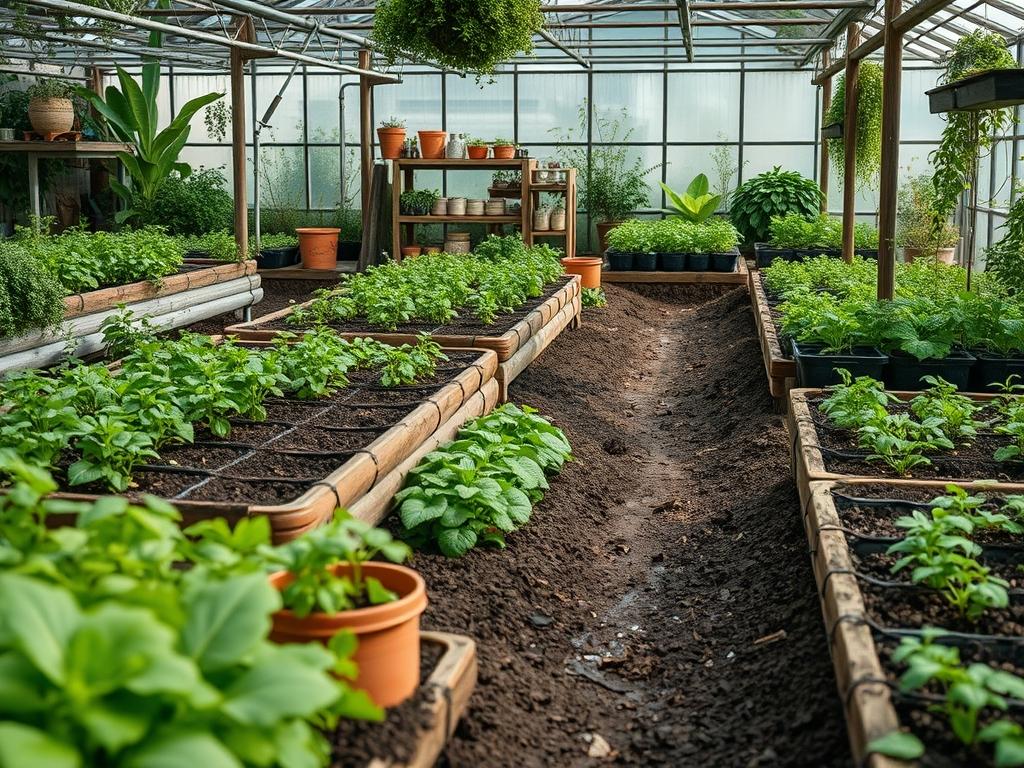
Successful urban landscape design begins with structural integrity and safety. Symmetry and focal points are not just aesthetic choices; they are tools used to organize a space that may be divided by remediation barriers. When a site is identified as having high heavy metal concentrations, the design often shifts toward raised elevation. By utilizing Masonry Retaining Walls or Timber Sleepers, a designer can create distinct layers that separate the user from the native soil. Focal points, such as an Aluminium Pergola or a Natural Stone Fountain, can be placed on reinforced pads to provide visual interest without requiring deep excavation into potentially contaminated depths.
Elevation layers are perhaps the most effective way to manage soil safety. In a typical urban restoration project, we specify a minimum of 300 Millimeters of clean, tested Topsoil for ornamental areas, and up to 600 Millimeters for areas intended for play or edible gardening. This verticality adds a sense of luxury and depth to the garden. Visual balance is achieved by staggering these heights, using Tread Stairs to connect different functional zones.
Irrigation planning is equally vital. In contaminated urban plots, overhead spraying is discouraged because it can displace soil particles and create splashback onto foliage or walkways. Instead, we implement Drip Irrigation Lines buried beneath a thick layer of Organic Mulch. This keeps the soil moist, prevents dust from becoming airborne, and ensures that water is delivered directly to the root zone, minimizing runoff that could carry contaminants into municipal storm drains. Walkways should be constructed from non porous materials or well sealed Permeable Pavers to ensure that any dust can be easily washed away rather than settling into the joints of the hardscape.
Plant and Material Selection
| Plant Type | Sun Exposure | Soil Needs | Water Demand | Growth Speed | Maintenance Level |
| :— | :— | :— | :— | :— | :— |
| Helianthus annuus | Full Sun | Loamy/Remediated | Moderate | Fast | Low |
| Buxus sempervirens | Partial Shade | Well-Drained | Moderate | Slow | Medium |
| Festuca glauca | Full Sun | Sandy/Poor | Low | Moderate | Low |
| Salvia nemorosa | Full Sun | Average/Neutral | Low | Fast | Medium |
| Hydrangea macrophylla | Shade | Acidic/Moist | High | Moderate | High |
| Acer palmatum | Partial Sun | Loamy/Rich | Moderate | Slow | Medium |
Selecting materials for urban soil restoration requires an understanding of how those materials interact with legacy pollutants. For example, Biochar is frequently incorporated into the soil matrix because it can chemically sequester certain heavy metals, making them less bioavailable to plants and humans. We also utilize Non-woven Geotextile Fabric as a physical marker and barrier. This fabric is laid over the contaminated native soil before the clean fill is added, serving as a warning to future gardeners that digging deeper may be hazardous.
Implementation Strategy
The transition from a design on paper to a physical landscape requires a precise step by step approach. The first phase is site preparation, which involves removing debris and grading the existing surface. Grading is the most overlooked aspect of soil safety; the site must be sloped to ensure that water moves away from building foundations and does not pool in areas where contaminants might accumulate.
Once the rough grade is established, we install the Geotextile Liner. This is followed by the installation of hardscape elements such as Steel Edging and Stone Retaining Walls. These elements serve as the skeleton of the garden, holding the new, clean soil in place. When importing soil, specify a Sandy Loam mix that has been laboratory tested for heavy metals and pesticides.
After the soil is placed, the planting phase begins. For urban restoration, we often use Containerized Nursery Stock because the root balls are already established in clean media. Once the plants are in the ground, a layer of Double-shredded Hardwood Mulch at a depth of 75 Millimeters is applied across all exposed soil surfaces. This mulch acts as a protective skin, preventing erosion and suppressing dust. Finally, the Drip Irrigation System is calibrated to ensure even moisture distribution, which is essential for maintaining the health of the new plantings and the stability of the soil.
Common Landscaping Failures
The most frequent mistake in urban landscaping is the failure to address Soil Compaction. Urban soils are often packed so tightly by years of foot traffic and construction equipment that oxygen cannot reach the roots of new plants. This leads to stunted growth and increased susceptibility to disease. To remedy this, we use a Power Auger or Broadfork to aerate the soil before adding amendments.
Another common failure is improper drainage planning. If water is allowed to stagnate, it can leach contaminants from the lower soil levels up into the clean root zone through capillary action. This is why a French Drain or Sub-grade Perforated Pipe system is often necessary in flat urban yards.
Root overcrowding is also a significant issue. Many homeowners plant trees too close to utility lines or foundations without considering the mature spread of the species. In an urban restoration context, a tree that outgrows its space might require removal, which would disturb the protective soil cap and expose the contaminated substrate below. Proper spacing, as defined by the mature canopy and root diameter, is a safety requirement.
Seasonal Maintenance
Landscape management is a year round commitment, especially when soil safety is the primary goal. In the Spring, the focus is on soil testing and the inspection of the Geotextile Barrier. As the ground thaws, check for any shifting in Retaining Walls or erosion that might have exposed the native soil. This is also the time to apply a thin layer of Compost to provide nutrients for the coming growing season.
The Summer months require a focus on moisture management. Dust suppression is paramount during dry spells. Ensure the Irrigation Controller is adjusted for rising temperatures; dry soil is more likely to become airborne. If any bare spots appear in the Turfgrass or mulch beds, they should be covered immediately with Pine Bark or a similar organic cover.
In the Autumn, the priority shifts to leaf management and property cleanup. Do not use a high powered leaf blower on bare soil, as this can kick up contaminated dust. Instead, use a vacuum setting or rake gently. This is also the best time to plant Cover Crops or add a fresh 50 Millimeter layer of mulch to protect the soil from winter wind and rain.
During the Winter, maintenance involves protecting the structural elements of the garden. Avoid using heavy salts for de-icing near planting beds, as the runoff can alter the soil pH and affect the mobility of heavy metals. Instead, use Sand or Pea Gravel for traction. Check for any signs of frost heave in the Hardscape that might compromise the containment of the restored soil.
Professional Landscaping FAQ
How do I know if my urban soil is contaminated?
Professional laboratory testing is required. Collect samples from multiple locations at depths of 150 Millimeters and 300 Millimeters. A standard heavy metal screen will identify levels of lead, arsenic, and mercury to determine the necessary restoration depth.
Can I grow vegetables in restored urban soil?
It is safest to use Raised Beds with a solid bottom or a thick Geotextile Liner. Fill these beds with entirely new, clean Potting Mix. Avoid planting root vegetables directly in native urban soil due to lead accumulation risks.
What is the best way to prevent soil erosion?
Maintaining a continuous cover is essential. Use a combination of Groundcover Plants, dense Turfgrass, and Wood Chip Mulch. For sloped areas, install Jute Matting or Terraced Retaining Walls to physically hold the soil in place during heavy rain.
Is it necessary to remove all contaminated soil?
Removal is often prohibitively expensive and logistically difficult. Most professional consultants recommend “capping,” which involves burying the contaminated soil under a marker barrier and a significant layer of clean material, effectively isolating the hazard from the surface.
How often should I replace my garden mulch?
Replenish mulch annually to maintain a constant thickness of 75 Millimeters. Mulch naturally decomposes, and as it thins, the underlying soil becomes vulnerable to wind and water erosion. Constant coverage is the first line of defense in soil safety.