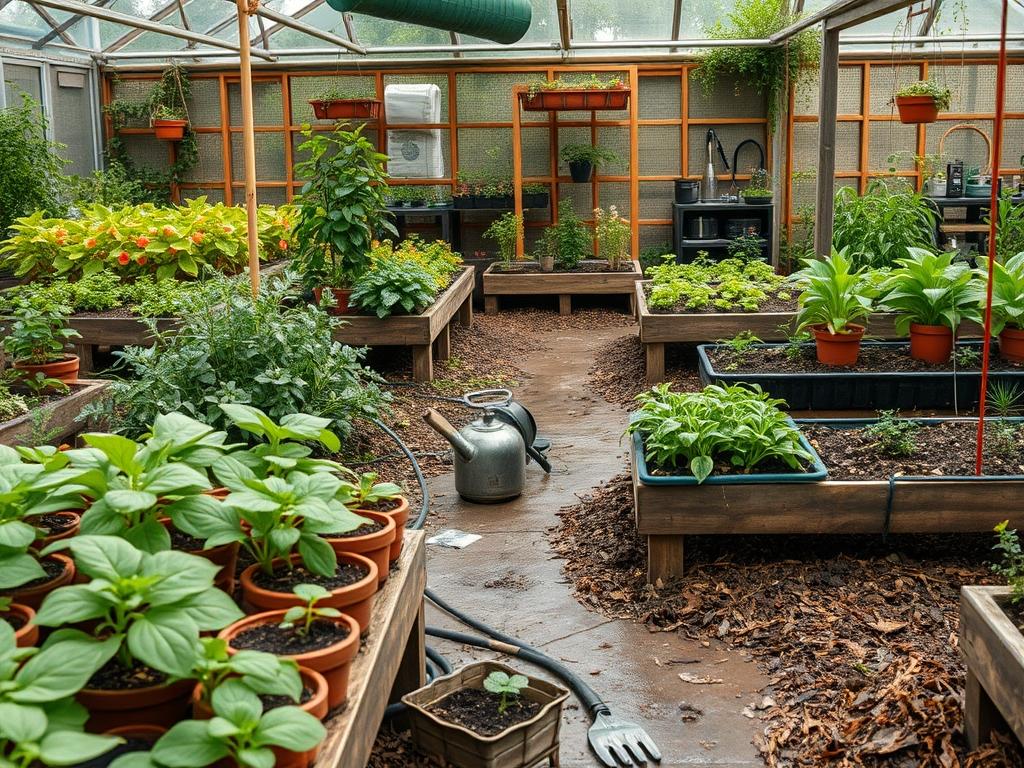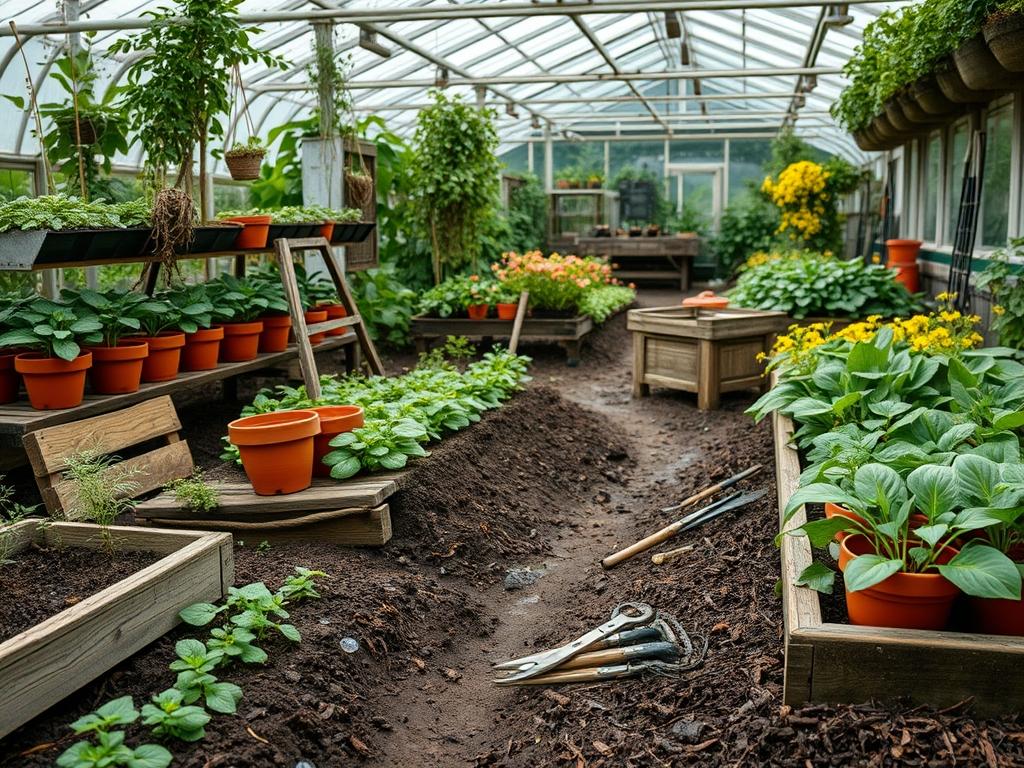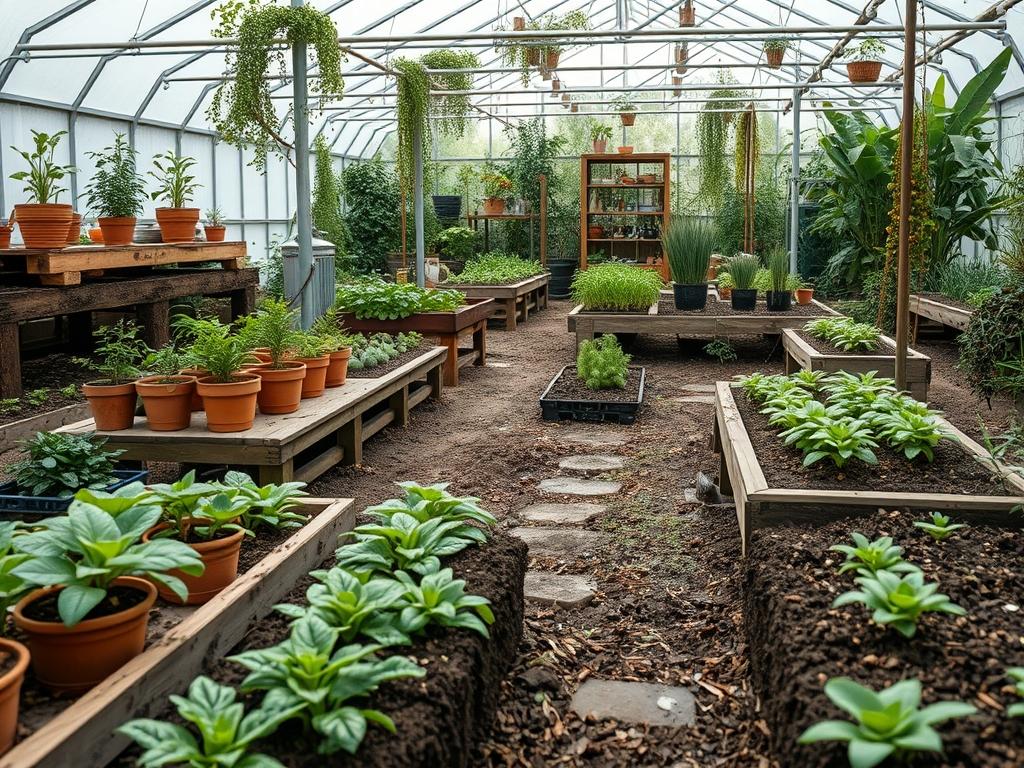
Understanding the Difference: Humates and Fulvates in Soil Health
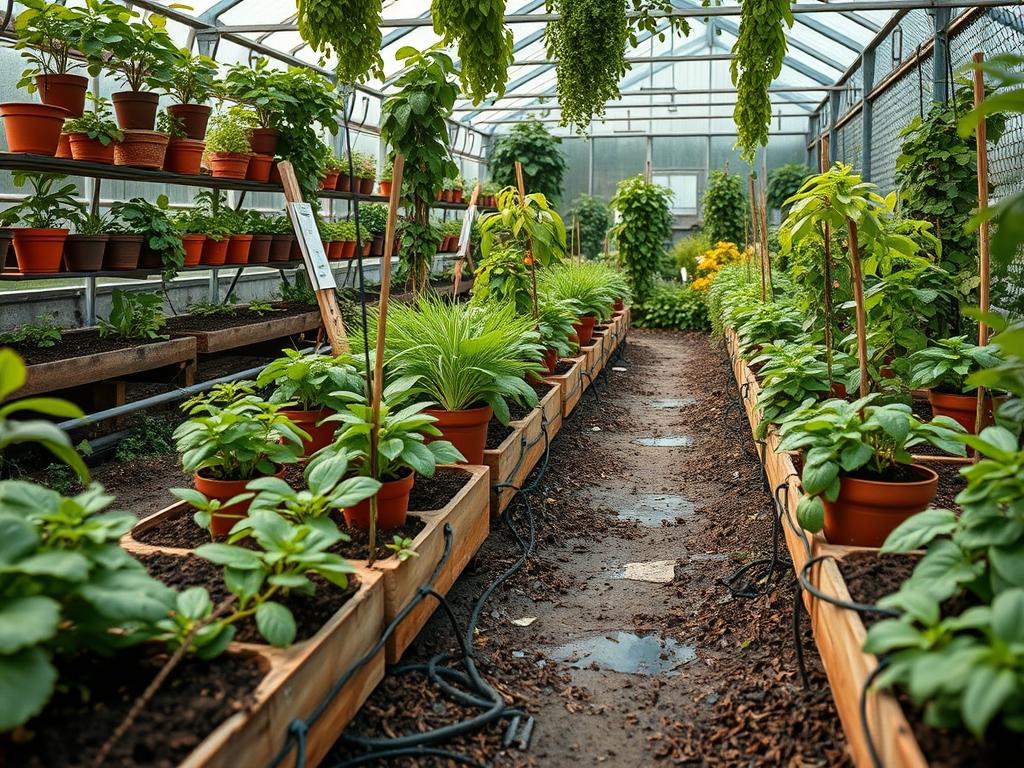
Humates and Fulvates

Every high-end residential landscape begins with a vision of architectural permanence and botanical vigor, yet many projects fall short within their first three years due to a fundamental misunderstanding of soil chemistry. A lush, manicured lawn or a tiered garden of Boxwood hedges and Japanese Maples requires more than just water and basic fertilizers. The … Read more
Expert Guide to Liquid Carbon Application and Soil Aggregation

Liquid Carbon Application

Maintaining a high-end landscape requires more than just a keen eye for aesthetics and a rigorous watering schedule. It demands a sophisticated understanding of the biological engine driving plant vitality, which is the soil structure itself. For many property owners, the frustration of stagnant growth or patchy turf persists despite heavy irrigation and standard N-P-K … Read more

Why No-Dig Garden Foundations Are Better for Fungal Networks

No-Dig Garden Foundations

The success of a professional landscape design relies heavily on the structural integrity and biological vitality of the soil. Traditionally, site preparation involved aggressive tilling and excavation to create a blank canvas, but modern landscape architecture is shifting toward No-Dig Garden Foundations. This method acknowledges that soil is not merely a physical substrate but a … Read more

The Best Methods for Cover Crop Termination Without Chemicals

Cover Crop Termination

Integrating cover crops into a professional landscape design represents a sophisticated approach to site preparation, soil stabilization, and long term nutrient management. While many homeowners and developers look toward immediate gratification through sod or synthetic fertilizers, the experienced landscape architect understands that the highest quality outdoor environments are built from the ground up. The primary … Read more

Tips for Maintaining Pathogen-Free Soil Prep in Greenhouse Beds

Pathogen-Free Soil Prep

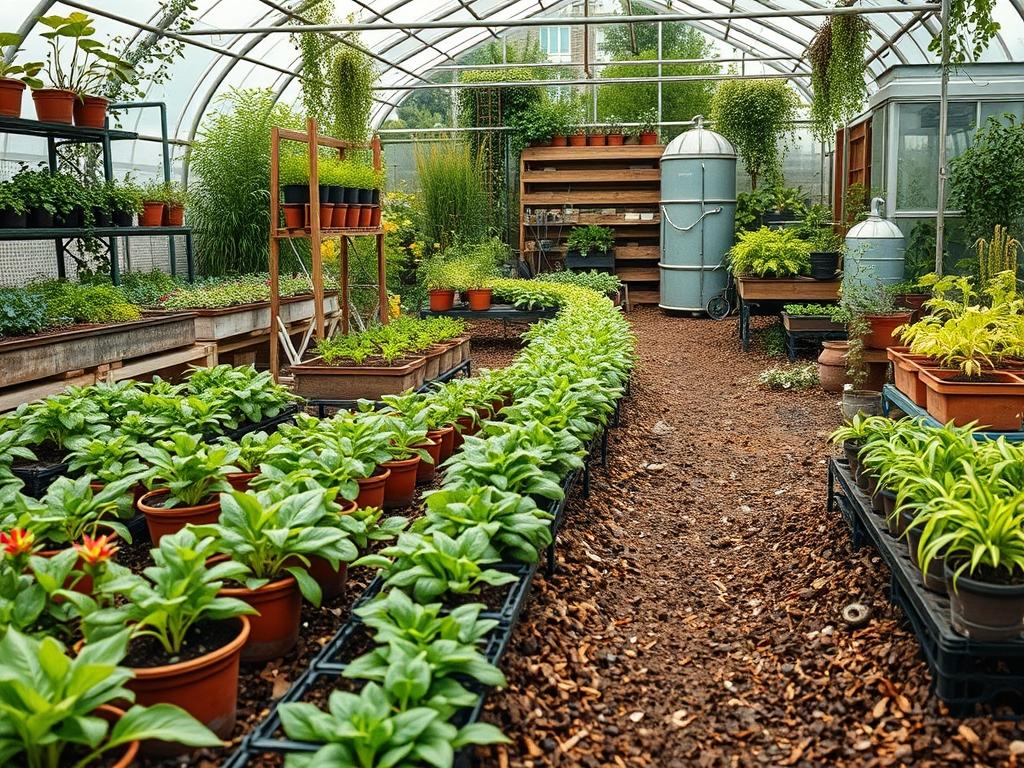
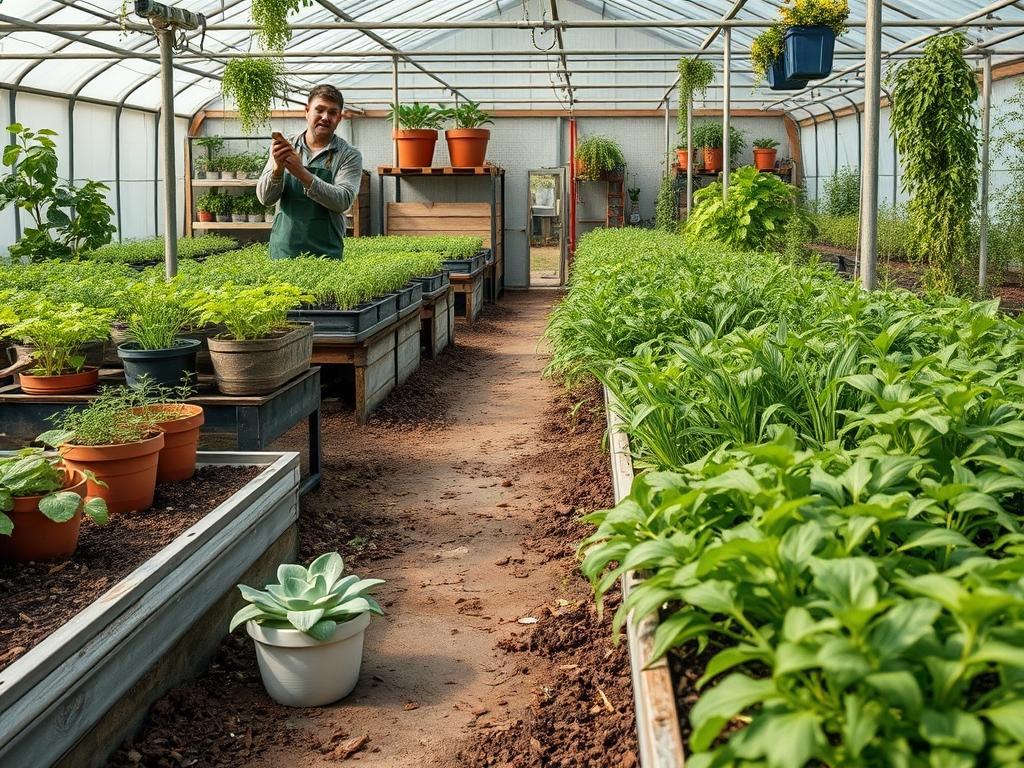
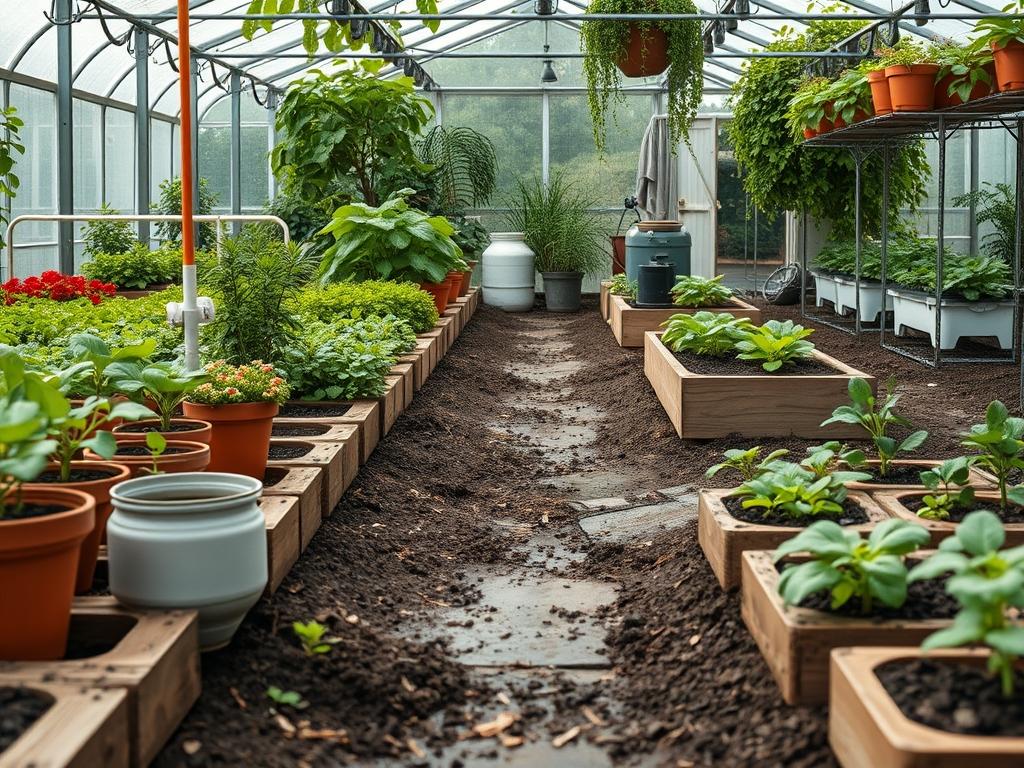
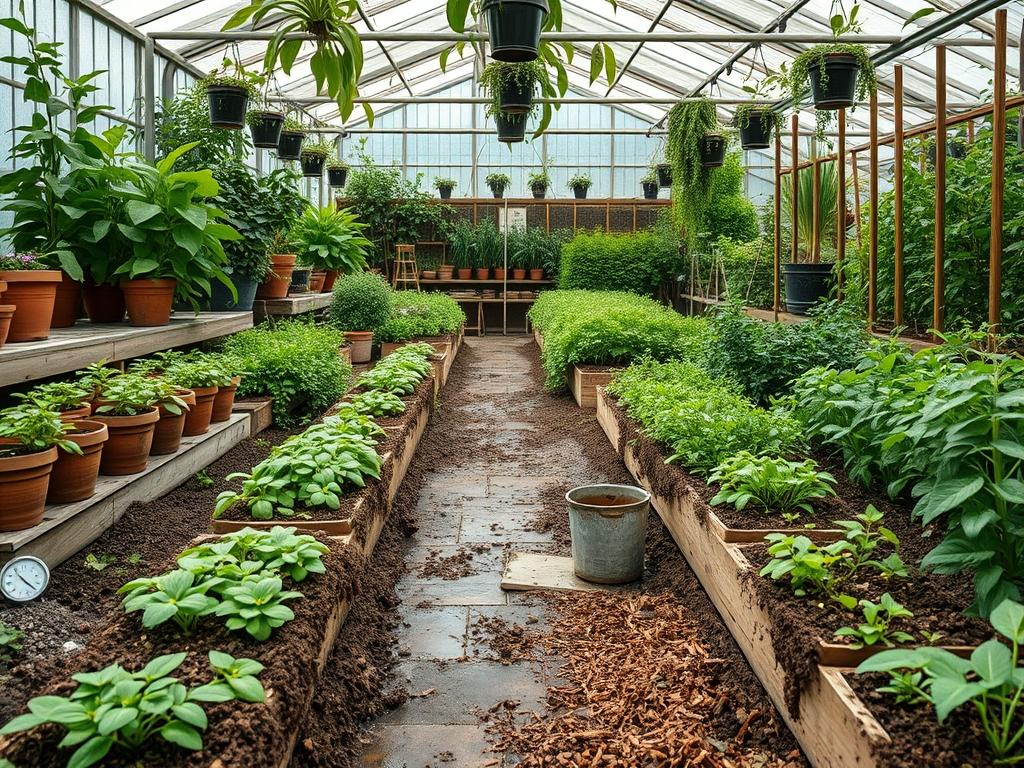
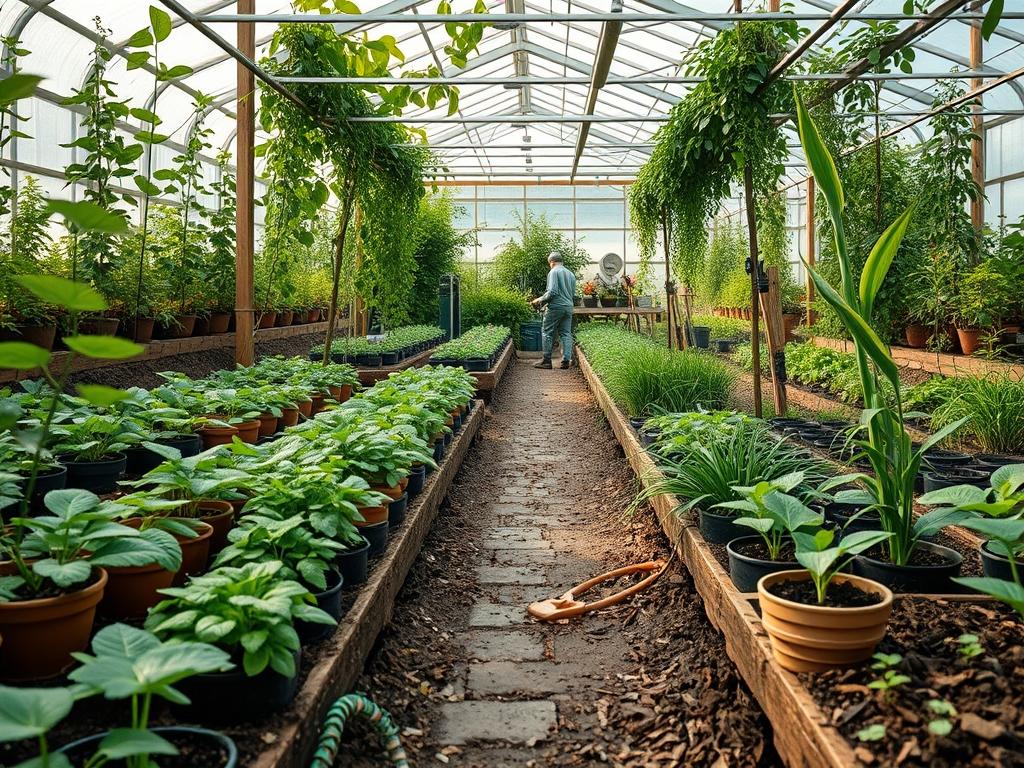
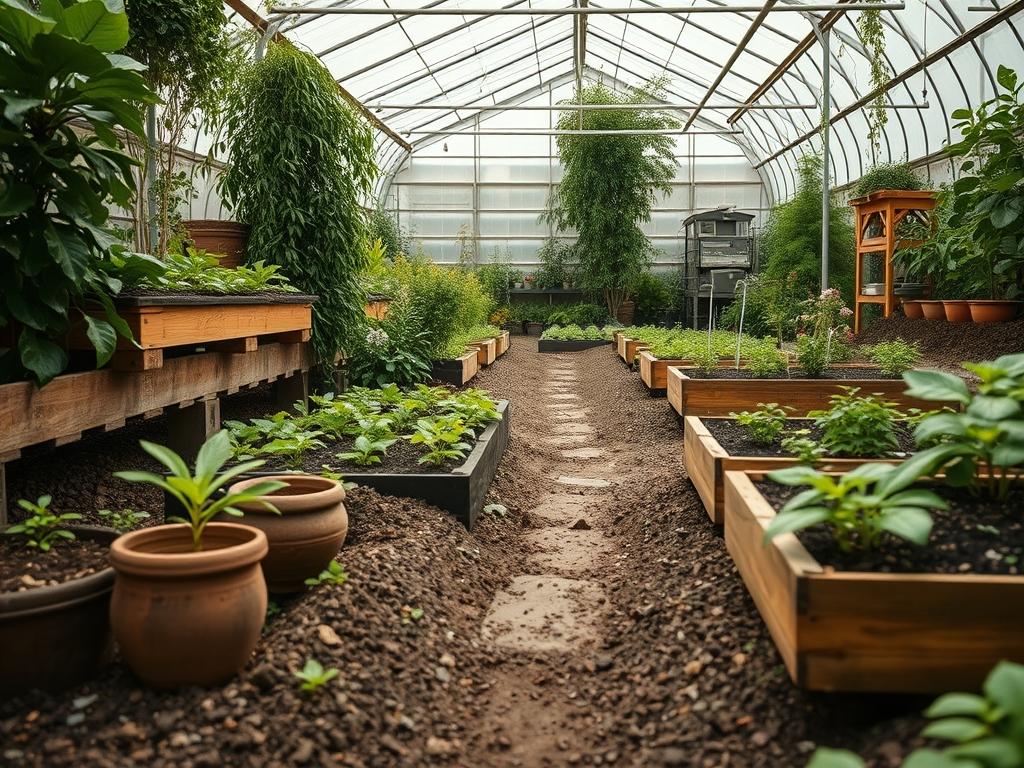
Maintaining a pristine environment within a greenhouse requires more than just high quality seeds and consistent watering; it demands a rigorous approach to soil health and sanitation. In the world of high end landscape architecture, greenhouses often serve as the focal point of a residential estate, blending functional horticulture with aesthetic elegance. However, the enclosed … Read more

Why You Should Monitor Greywater Soil Impacts in Your Garden

Greywater Soil Impacts

The integration of sustainable water practices is no longer a secondary consideration for the modern homeowner; it has become a central pillar of high-end landscape architecture. As climate volatility increases and municipal water restrictions become more stringent, the shift toward utilizing greywater has accelerated. Greywater, which consists of gently used water from bathroom sinks, showers, … Read more

How to Use Salinity Flushing Techniques in Coastal Garden Soils

Salinity Flushing Techniques

Coastal environments present a unique paradox for the landscape architect; they offer some of the most stunning vistas while posing the most hostile conditions for traditional horticulture. Salt spray, saline groundwater, and storm surge events can quickly degrade soil structure and cause osmotic stress in plants, leading to leaf scorch, stunted growth, or total specimen … Read more

Understanding Acid Rain Soil Impacts and How to Buffer Them

Acid Rain Soil Impacts

Understanding the chemical composition of precipitation is fundamental for any landscape architect looking to maintain long term vitality in a managed environment. Acid rain soil impacts occur when atmospheric pollutants like sulfur dioxide and nitrogen oxides react with water molecules, creating a solution that lowers the pH of the terrestrial environment. This acidification process represents … Read more

Expert Guide to Limestone Soil Management and pH Balancing

Limestone Soil Management

Managing a landscape perched atop limestone bedrock requires a sophisticated understanding of both geological constraints and chemical imbalances. For many homeowners, the presence of limestone signifies a thin layer of topsoil and a high pH level that can exceed 8.0 on the scale. Such alkalinity creates a hostile environment for many popular ornamental species, leading … Read more