
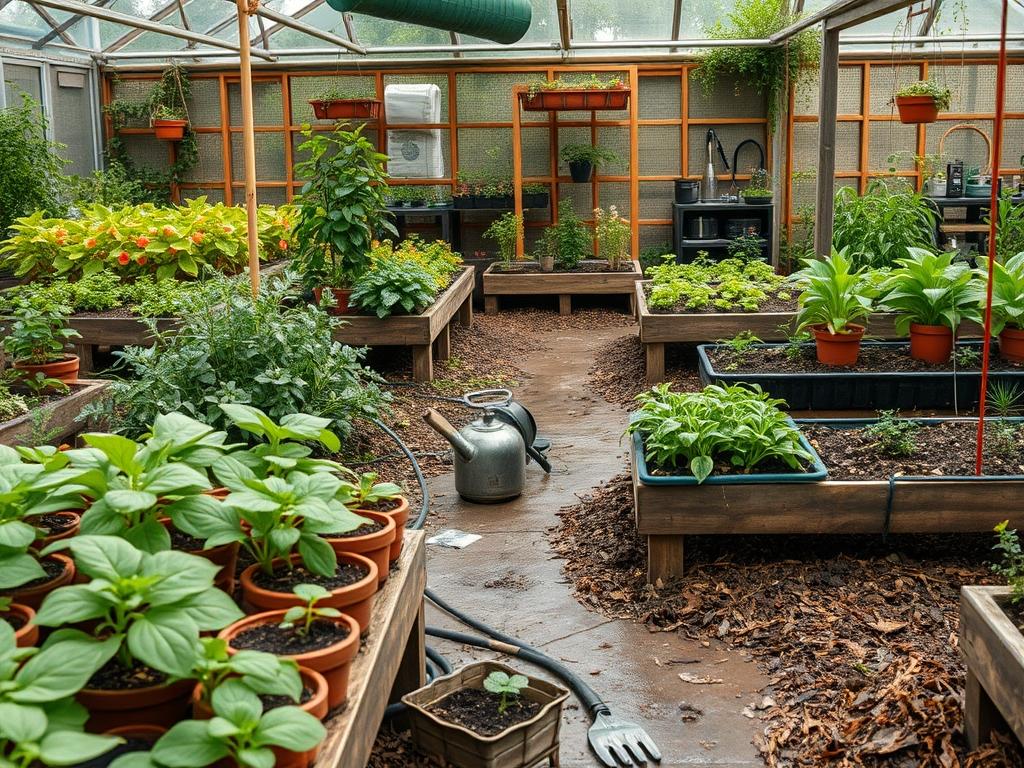
Coastal environments present a unique paradox for the landscape architect; they offer some of the most stunning vistas while posing the most hostile conditions for traditional horticulture. Salt spray, saline groundwater, and storm surge events can quickly degrade soil structure and cause osmotic stress in plants, leading to leaf scorch, stunted growth, or total specimen loss. To maintain a high level of curb appeal and outdoor functionality in these regions, professional designers must employ Salinity Flushing Techniques. This process involves the controlled application of low-salinity water to leach accumulated sodium and chloride ions below the active root zone. Effective remediation ensures that the soil remains a viable medium for growth rather than a restrictive salt sink that inhibits water uptake. By integrating these techniques into the broader landscape plan, we can create resilient, lush environments that withstand the rigors of the shoreline.
Landscape Design Principles
Successful coastal landscaping begins with a structural understanding of the site. Symmetry and focal points are not merely aesthetic choices; they can be functional tools for salt management. By creating a symmetrical windbreak of salt-tolerant species on the windward side of a property, the architect reduces the volume of salt spray that reaches more sensitive interior plantings. Focal points should be anchored by robust specimens like the Sabal Palm or Sea Grape, which can handle high salt concentrations without losing their structural integrity. When these elements are placed strategically, they create a microclimate that facilitates more effective soil management for the rest of the garden.
Elevation layers and grading are the most critical physical design components. A flat site is a liability in a high-salinity zone because water tends to pool, allowing salts to concentrate as moisture evaporates. I recommend a minimum 2 percent slope away from the primary residence and toward dedicated drainage basins. This elevation ensures that during a flushing event, the water moves through the soil profile rather than sitting stagnant. Irrigation planning must also be meticulously mapped to include separate zones for leaching. These zones allow for higher-volume applications of water in specific areas where salts accumulate, such as low spots or areas near the shoreline. Walkways should be designed using permeable materials to prevent runoff from carrying surface salts directly into planting beds, maintaining a visual balance between hardscaping and softscaping.
Plant and Material Selection
| Plant Type | Sun Exposure | Soil Needs | Water Demand | Growth Speed | Maintenance Level |
| :— | :— | :— | :— | :— | :— |
| Muhly Grass | Full Sun | Well-drained | Moderate | Fast | Low |
| Seashore Paspalum | Full Sun | High Salinity | High | Fast | High |
| Oleander | Full Sun | Versatile | Low | Fast | Medium |
| Southern Live Oak | Full / Partial | Deep Sandy | Moderate | Slow | Low |
| Spanish Bayonet | Full Sun | Sandy / Dry | Low | Moderate | Low |
| Blanket Flower | Full Sun | Sandy / Poor | Low | Fast | Low |
| Rugosa Rose | Full Sun | Sandy Loam | Moderate | Moderate | Medium |
Implementation Strategy
The execution of a salinity flushing program begins with a thorough soil analysis to determine the exchangeable sodium percentage and electrical conductivity. Once the baseline is established, the implementation starts with grading the backyard or garden layout to ensure positive drainage. If natural drainage is insufficient, we install a series of French drains or Perforated pipes wrapped in Filter fabric at a depth of at least 24 inches. These subterranean channels ensure that as we flush the soil, the salt-laden water has a defined exit path away from the root systems of your primary ornamental plants.
After the infrastructure is in place, we apply soil amendments to facilitate the chemical release of sodium. Gypsum (Calcium Sulfate) is the standard material for this task. We spread 40 pounds per 1,000 square feet of high-grade Gypsum over the soil surface. The calcium in the gypsum displaces the sodium ions attached to the soil particles. Once the sodium is “knocked loose,” the actual flushing begins. We apply roughly 6 inches of fresh water in a single, continuous session. This volume is intended to saturate the soil and move the displaced sodium down into the drainage system. To finish the implementation, we apply a 3 inch layer of Organic Cedar Mulch. This mulch prevents rapid evaporation, which would otherwise pull salts back to the surface through capillary action.
Common Landscaping Failures
The most frequent failure in coastal landscapes is poor drainage design. When an architect focuses on the visual aspects of a retaining wall without accounting for the hydrostatic pressure and salt accumulation behind it, the wall becomes a salt trap. Without weep holes or gravel backfills, salts collect at the base of the wall and eventually poison the soil. Another common mistake is root overcrowding. When plants are spaced too closely, they compete for the limited fresh water available in the upper soil layers, making them more susceptible to salt-induced drought stress. Proper spacing, often 3 to 5 feet for medium shrubs, is essential to allow each plant a sufficient buffer of soil for flushing.
Soil compaction is another silent killer in coastal environments. Heavy foot traffic or construction equipment can compress sandy soils, destroying the macropores necessary for water to move downward. If water cannot move, flushing is impossible. Furthermore, many homeowners fail by using improper irrigation techniques, such as light, frequent misting. This practice only dampens the surface and leads to salt crusting. Irrigation must be deep and infrequent to be effective. Finally, over-fertilization with synthetic products can increase the salinity of the soil, as many fertilizers are essentially salts. Professional consultants advocate for slow-release organic fertilizers that do not contribute to the salt index of the garden.
Seasonal Maintenance
Seasonal management of a coastal garden requires a proactive approach to salinity. During the Spring, the focus should be on recovery. We test the soil to see how much salt was deposited by winter storms and then perform a major flush using the Gypsum method described earlier. This is also the time to check the irrigation system for clogged nozzles, as salt crystals can often block the flow of water in Drip emitters.
In the Summer, the priority shifts to evaporation control. As temperatures rise, the rate of capillary action increases, bringing salts from the groundwater up toward the roots. Maintaining a consistent 4 inch depth of Wood chip mulch is vital during these months. Autumn is the season for structural maintenance and the application of compost. Adding high-quality organic matter improves the soil’s cation exchange capacity, making it easier to manage salts in the future. Finally, during the Winter, we focus on protection. We use burlap screens or temporary windbreaks to shield sensitive plants from salt-laden winter winds. If a major storm occurrs during the winter, an immediate “emergency flush” of the foliage and soil with fresh water is necessary to prevent salt burn before it sets in.
Professional Landscaping FAQ
How do I know if my soil needs flushing?
Look for white crusting on the soil surface, yellowing leaf margins, or stunted growth. A soil conductivity test showing levels above 4 dS/m indicates that a salinity flushing treatment is required immediately to protect plant health.
Can I use sea water to flush my garden if I run out of fresh water?
No; using brackish or sea water will worsen the problem by adding more sodium and chloride to the soil. You must use high-quality, potable water or harvested rainwater to effectively leach salts away from the root zone.
What is the best tool for checking soil moisture and salinity?
A digital Electrical Conductivity (EC) Meter combined with a heavy-duty Soil Probe is essential. These tools allow you to measure the salt concentration at different depths to ensure your flushing water is reaching the necessary levels.
Does mulch really help with salt management?
Yes; a thick layer of Organic Mulch reduces surface evaporation. When water evaporates from the soil surface, it leaves salts behind. By keeping the soil cool and covered, you significantly slow the rate of salt accumulation near the surface.
How often should I apply gypsum to my coastal garden?
In high-risk areas, a biannual application of Gypsum is recommended. Apply it once in the early spring and again in late autumn to ensure the soil chemistry remains balanced for the displacement of harmful sodium ions.