
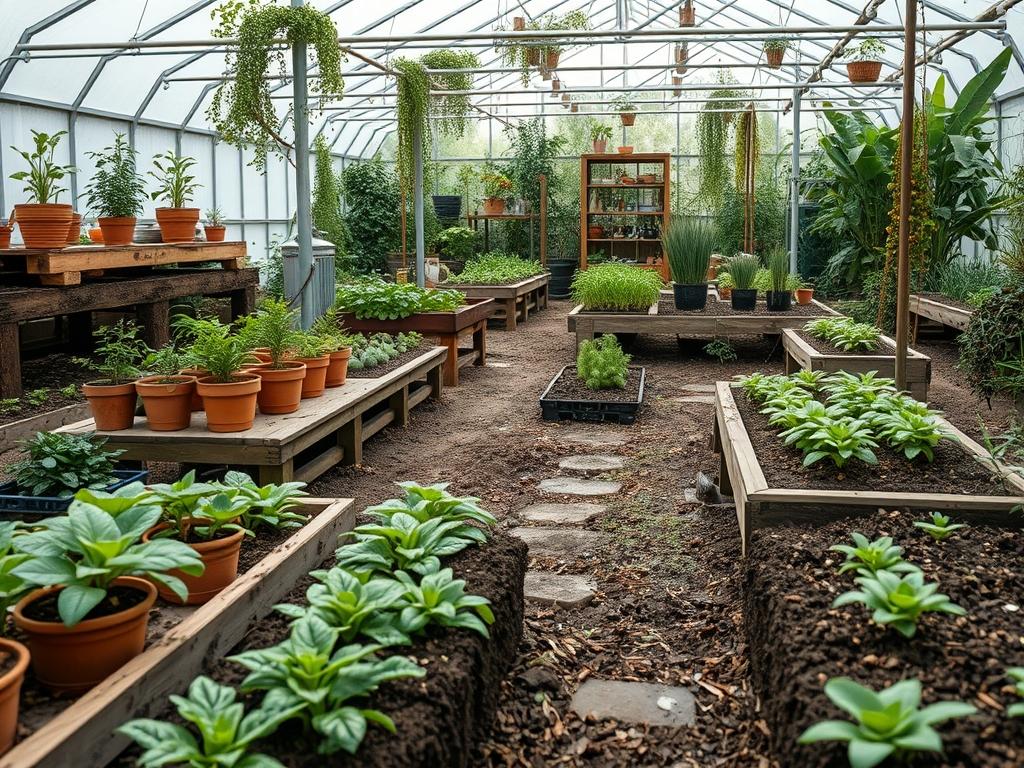
Managing a landscape perched atop limestone bedrock requires a sophisticated understanding of both geological constraints and chemical imbalances. For many homeowners, the presence of limestone signifies a thin layer of topsoil and a high pH level that can exceed 8.0 on the scale. Such alkalinity creates a hostile environment for many popular ornamental species, leading to nutrient lockup where essential minerals like iron and phosphorus remain chemically bonded to the soil and unavailable to the roots. Beyond the chemistry, the physical reality of limestone creates unique challenges for Drainage and Irrigation systems. Because solid rock often sits just 6 inches to 12 inches below the surface, water may pool in subterranean pockets or run off too quickly before the root zones can absorb it. Achieving high curb appeal in these conditions involves more than just selecting hardy plants; it requires a structural overhaul of the outdoor living environment to ensure that functionality and aesthetics work in tandem. By addressing the specific needs of limestone soil management, a designer can transform a difficult, rocky site into a lush, productive garden that increases property value and provides a seamless transition between the home and the natural world.
Landscape Design Principles
When designing for limestone-rich environments, symmetry and focal points act as the anchors that prevent a rugged site from appearing unkempt. Because the natural terrain is often uneven or characterized by outcroppings, utilizing Symmetry in the hardscaping can provide a much needed sense of order. For example, installing matched Retaining Walls made from Dimension Stone can frame a property while simultaneously creating usable planting depths where little soil previously existed. Focal points, such as a large Urn or a structural Japanese Maple, should be placed at the junctions of major Walkways to draw the eye away from thin turf areas and toward intentional design elements.
Elevation layers are particularly critical in these environments. Since digging deep into the ground is often cost-prohibitive due to the need for Jackhammers, designers often build upward. Creating raised beds and utilizing tiered Limestone Pavers allows for the introduction of high-quality Topsoil and Compost, giving plants the 18 inches of depth they need without fighting the bedrock. This vertical approach also improves Drainage, as excessive moisture can move through the porous layers of the raised structures rather than stagnating against a solid rock floor.
Visual balance is achieved by contrasting the heavy, pale nature of limestone with texture-rich foliage and dark Hardwood Mulch. Walkways should be constructed with a slight pitch of 2 percent to ensure water travels away from the foundation of the home. When planning Irrigation, the use of Drip Lines is superior to overhead sprayers. Limestone soil is prone to crusting on the surface, which causes spray water to sheet off. A slow, targeted drip ensures the moisture reaches the root zone through gravitational infiltration, reducing waste and preventing the salt buildup often associated with alkaline water sources.
Plant and Material Selection
The following table provides a selection of species and materials that thrive in high-pH limestone environments or help manage the soil structure.
| Plant or Material Type | Sun Exposure | Soil Needs | Water Demand | Growth Speed | Maintenance Level |
| :— | :— | :— | :— | :— | :— |
| Texas Sage | Full Sun | High pH/Well-drained | Low | Medium | Low |
| Common Yew | Part Shade | Neutral to Alkaline | Moderate | Slow | Low |
| Lavender | Full Sun | Gritty/Alkaline | Low | Medium | High |
| Chinese Pistache | Full Sun | Deep, Alkaline-tolerant | Low | Fast | Low |
| Rockrose | Full Sun | Poor, Rocky Soil | Very Low | Fast | Medium |
| Iron Sulfate | N/A | Amendment | N/A | N/A | Seasonal |
| Sphagnum Peat Moss | N/A | Organic Amendment | N/A | N/A | Initial |
| Decomposed Granite | N/A | Mulch/Path Material | N/A | N/A | Low |
Implementation Strategy
Developing a site with heavy limestone requires a systematic approach to grading and structure. The first step involves a comprehensive site survey to identify the depth of the “caprock,” or the solid layer of stone. Once identified, the Grading process should focus on directing water toward established French Drains or natural low points. In areas where the rock is too close to the surface, utilize Steel Edging or Stone Edging to define beds. These borders should stand at least 4 inches tall to contain the imported growing medium.
When preparing individual planting holes, avoid the common mistake of digging a small pocket in the rock and filling it with rich soil. This creates a “sump” effect where water collects and rots the roots. Instead, the strategy should involve breaking up the rock using a Pickaxe or Rotary Hammer to create fractures for drainage. Mix the native soil with 30 percent organic matter, such as Leaf Mold or Mushroom Compost, and incorporate Elemental Sulfur to slowly lower the pH over several seasons.
For Hardscaping, use a base of Crushed Limestone or Road Base compacted to 95 percent density. This provides a stable foundation for Flagstone or Concrete Pavers. Ensure that all joints are filled with Polymeric Sand to prevent weed growth, which is particularly aggressive in the mineral-rich cracks of limestone environments. Finally, apply a 3 inch layer of Cedar Mulch or Pine Bark to all planting beds. This mulch decomposes over time, adding acidic organic acids to the top layer of the soil and helping to buffer the alkalinity of the underlying limestone.
Common Landscaping Failures
The most frequent failure in limestone soil management is the neglect of soil testing. Many gardeners assume that all soils need the same fertilizers, but adding phosphorus-heavy products to limestone soil can actually exacerbate iron chlorosis. If the pH is too high, the iron becomes insoluble. Homeowners often see yellowing leaves and add nitrogen, when the real solution is applying Chelated Iron directly to the root zone or foliage.
Another critical error is improper spacing and root overcrowding. In rocky soils, roots cannot easily penetrate the surrounding earth, leading to a “root-bound” state even when planted in the ground. If holes are too narrow, the plant will eventually fail as its root system girdles itself. Designers must ensure that planting holes are at least 3 times the width of the root ball to allow for lateral expansion.
Finally, Soil Compaction is a silent killer in limestone regions. When heavy machinery is used during construction, the thin layer of soil is crushed against the bedrock, destroying its pore space. This leads to Irrigation Inefficiencies where water simply sits on the surface and evaporates. Using a Broadfork or Aerator to break up this compaction prior to planting is essential for long-term plant health.
Seasonal Maintenance
Spring is the primary season for pH adjustment. Professional landscapers apply Ammonium Sulfate or Sulfur pellets during this time to counteract the alkalinity that has built up over the winter. This is also the window to check for Chlorosis in evergreen species, treating them with iron supplements before the heavy growth phase begins. Pruning Shears should be used to remove any winter dieback, particularly on Lavender and Texas Sage, to encourage new, compact growth.
During the Summer, the focus shifts to moisture management. High-pH soils can become hydrophobic if allowed to dry out completely. Check the Irrigation clock to ensure that deep-soaking cycles are being used rather than frequent shallow watering. Monitor the depth of your Mulch; if it has thinned to less than 2 inches, replenish it to protect the root systems from the high radiant heat reflected by limestone rocks.
Autumn is the ideal window for planting new trees and shrubs. The cooler temperatures allow roots to establish in the rocky substrate without the stress of extreme heat. During this season, incorporate Bone Meal into the planting holes to provide a slow-release source of nutrients. It is also the time to clear debris from Drainage channels and French Drains to prepare for winter rains.
Winter maintenance involves protecting tender species from the freeze-thaw cycles that are common in rocky soils. Because limestone holds less heat than deep loam, the ground can freeze faster. Use Burlap Wraps for sensitive shrubs and ensure that all Outdoor Faucets are insulated. Avoid using salt-based de-icers on Limestone Walkways, as the chemical reaction can pit the stone and further increase the soil pH when the snow melts.
Professional Landscaping FAQ
How do I lower the pH of limestone soil permanently?
Permanent change is difficult because the underlying rock constantly leaches calcium carbonate. Regular applications of Elemental Sulfur and Sphagnum Peat Moss are required every two to three years to maintain a lower pH level for acid-loving plants.
What is the best way to plant a tree in solid rock?
You must use a Jackhammer or Auger to create a hole 3 times wider than the root ball. Ensure you create fissures in the bottom for drainage to prevent the “bathtub effect” which drowns roots in standing water.
Which mulch is best for alkaline environments?
Pine Bark or Pine Needles are the most effective because they are naturally acidic. As they decompose, they release organic acids that help neutralize the high pH of the surface soil, benefiting shallow-rooted perennials and shrubs.
Can I grow a lush lawn on limestone soil?
Yes, but it requires at least 6 inches of imported Topsoil. Choose drought-tolerant varieties like Bermuda Grass or Zoysia, which tolerate higher pH levels better than Fescue. Regular Aeration is necessary to prevent compaction against the rock.
Why are my plant leaves turning yellow despite watering?
This is likely Iron Chlorosis caused by high alkalinity. The limestone prevents the plant from absorbing iron. Apply Chelated Iron to the soil or use a foliar spray to restore the green color and health of the foliage.