
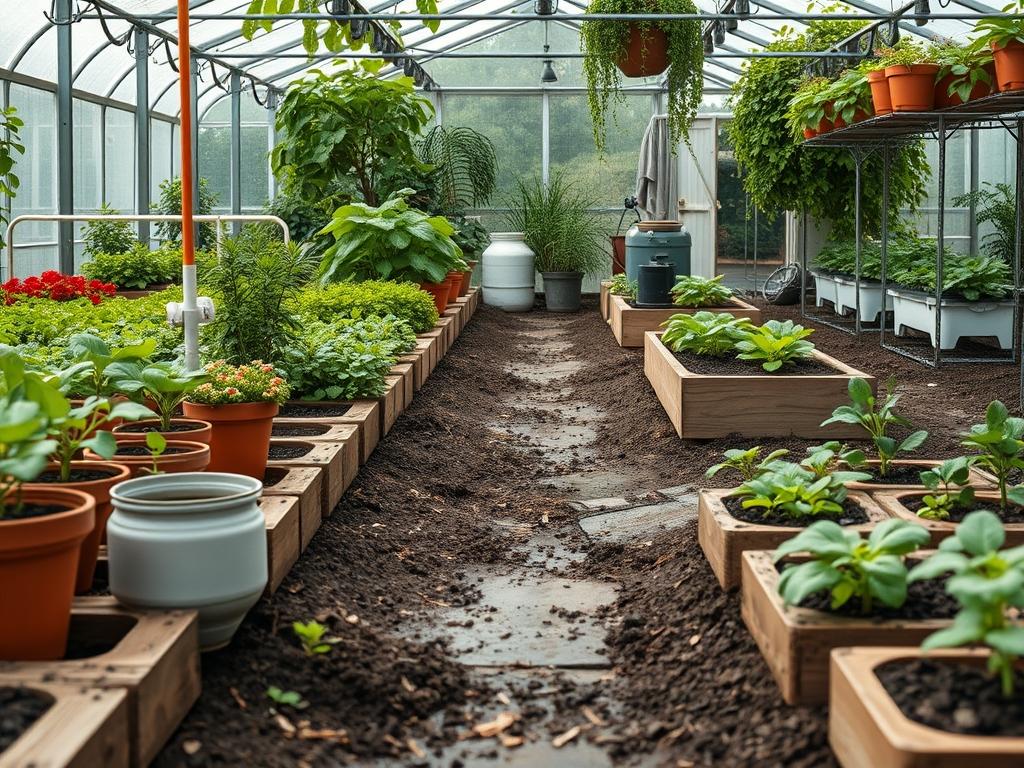
Maintaining a pristine environment within a greenhouse requires more than just high quality seeds and consistent watering; it demands a rigorous approach to soil health and sanitation. In the world of high end landscape architecture, greenhouses often serve as the focal point of a residential estate, blending functional horticulture with aesthetic elegance. However, the enclosed nature of these structures creates a microclimate that is as welcoming to soil-borne pathogens as it is to prized specimens. Fungal spores and bacteria can linger in the substrate for seasons, eventually leading to damping off or root rot that devastates the visual impact of the space. Effective pathogen-free soil prep is the cornerstone of a sustainable growing operation, ensuring that the transition from a manicured lawn to an indoor sanctuary is seamless and biologically secure.
The integration of a greenhouse into the broader landscape profile also affects curb appeal and outdoor functionality. A well maintained glass structure suggests a commitment to environmental stewardship and botanical excellence. When soil pathogens are left unchecked, the resulting plant failure can turn a centerpiece into an eyesore, marked by yellowing foliage and stunted growth. To prevent this, landscape architects must treat the greenhouse floor as a precision engineered environment. This involves managing the soil microbiome with the same level of detail applied to a formal boxwood parterre or a sophisticated stone terrace. By prioritizing sterile conditions and structural integrity, the greenhouse becomes a reliable laboratory for the year round cultivation of exotic flora and organic produce.
Landscape Design Principles
When designing a greenhouse layout within a larger estate, symmetry and focal points determine the visual success of the structure. The greenhouse should align with primary architectural axes, acting as a terminal view for a garden path or a balanced counterpart to a swimming pool or detached studio. However, interior functionality must dictate the internal arrangement. Focal points inside the house, such as a large Citrus tree or a decorative fountain, should be positioned to allow for maximum airflow. Poor air circulation is a primary driver of pathogen proliferation. By centering the tallest elements and tapering growth toward the glass walls, you create a natural convection current that discourages the stagnant conditions where fungi thrive.
Elevation layers and irrigation planning are equally critical. Raised beds should be constructed at heights ranging from 18 inches to 30 inches to reduce the risk of cross contamination from footwear. We often design these beds with a slight 2 percent slope to ensure that excess water moves toward dedicated floor drains. This prevents the pooling of nutrient rich runoff, which acts as a breeding ground for Pythium and Phytophthora. Walkways should be made of non-porous materials like sealed concrete or non-slip porcelain pavers, as these surfaces are easier to disinfect than gravel or wood chips. Visual balance is achieved by matching the materials of these walkways to the exterior hardscape, creating a cohesive design language that flows from the outdoor kitchen to the indoor propagation benches.
Plant and Material Selection
The following table outlines common greenhouse selections and the specific parameters required to maintain health within a sterile soil environment.
| Plant Type | Sun Exposure | Soil Needs | Water Demand | Growth Speed | Maintenance |
| :— | :— 😐 :— | :— | :— | :— |
| Lycopersicon | Full Sun | Sterile Peat Mix | High | Fast | High |
| Ocimum basilicum | Full Sun | Pasteurized Compost | Moderate | Fast | Medium |
| Polystichum | Shade | High Organic Porosity | High | Slow | High |
| Dipladenia | Partial Sun | Sandy Sterile Loam | Low | Medium | Low |
| Microgreens | Indirect Light | Fine Coconut Coir | Moderate | Rapid | Low |
Successful pathogen-free soil prep relies on selecting materials that do not harbor dormant pests. Using “garden soil” from the backyard is a common mistake; instead, architects recommend custom blends of vermiculite, perlite, and sphagnum peat moss. These inorganic and processed organic components are virtually sterile upon arrival. For high end aesthetics, these mixes can be topped with a thin layer of decomposed granite or river pebbles to provide a clean visual finish while preventing soil splashing, which is a common vector for pathogen transfer from the soil surface to the stems of the plants.
Implementation Strategy
The process begins with a total clean out of the greenhouse space. Every surface, including the glass panes and the aluminum framing, must be power washed and treated with a 10 percent bleach solution or a professional grade hydrogen peroxide sanitizer. Once the environment is clean, the grading of the beds must be checked. Ensure that the sub-base is composed of 4 inches of compacted crushed stone to provide a stable foundation that resists settling. Settling creates low spots where water can stagnate, leading to anaerobic soil conditions and root rot.
For the soil itself, solarization is an effective pre-planting strategy if you are not using pre-sterilized bags. This involves moistening the soil and covering it with a clear polyethylene film for 4 to 6 weeks during the peak of summer. The trapped heat can reach temperatures of 140 degrees Fahrenheit, which is sufficient to kill most weed seeds and harmful soil fungi. Alternatively, for smaller luxury setups, a portable steam sterilizer can be used to treat the soil in batches. After sterilization, the soil should be amended with biological inoculants like Trichoderma harzianum. These beneficial fungi act as a prophylactic layer, colonizing the root zone and physically blocking pathogenic organisms from establishing a foothold.
Edge the interior beds with durable, non-leaching materials. We recommend natural stone or powder coated steel rather than pressure treated wood, which can introduce unwanted chemicals or harbor pathogens in its grain. The depth of the growing medium should be at least 12 inches for most crops, ensuring a robust buffer for root development. Finally, install a dedicated drip irrigation system. Overhead watering should be avoided at all costs, as wet foliage combined with high humidity is a catalyst for botrytis. Drip lines should be placed beneath a 2 inch layer of sterile mulch to keep the moisture at the root level and reduce evaporation.
Common Landscaping Failures
The most frequent failure in greenhouse soil management is the use of unsterilized tools and containers. A single hand trowel used in the outdoor vegetable garden can introduce Fusarium wilt into a sterile greenhouse bed in seconds. Professional operations maintain a dedicated set of tools that never leave the greenhouse. Another significant issue is soil compaction. In an effort to maximize space, gardeners often step into the beds, crushing the soil structure and reducing macropore space. This lack of oxygen suffocates roots and allows anaerobic pathogens to take over. Designing beds with a width no greater than 4 feet ensures that all areas can be reached from the walkways without ever setting foot on the soil.
Irrigation inefficiencies also contribute to landscape failure. Without proper drainage, salt buildup can occur, which stresses the plants and makes them more susceptible to infection. It is vital to include an “effluent” plan for the greenhouse. This means the water that drains through the soil must have a clear path to an exterior French drain or a greywater system. Root overcrowding is another concern; planting too densely restricts airflow and creates a humid micro-climate at the base of the plants. Always adhere to the recommended spacing for each species, even if the beds look sparse initially. The aesthetic goal is a lush, healthy canopy, not a crowded thicket of struggling stems.
Seasonal Maintenance
Spring is the time for rigorous soil testing. Use a pH meter to ensure the substrate remains between 6.0 and 7.0 for optimal nutrient uptake. If the soil has settled, top it off with a fresh, sterile mix rather than old compost. Summer requires a focus on temperature control. Use 70 percent shade cloths and high volume exhaust fans to prevent the soil from overheating, which can kill off the beneficial microbes you have carefully cultivated. Maintaining a soil temperature below 85 degrees Fahrenheit is crucial for preventing heat stress.
In autumn, the priority shifts to biomass removal. Every fallen leaf and spent flower must be removed daily. Rotting organic matter on the soil surface is the primary vector for fungal spores to enter their dormant phase for the winter. Once the main growing season concludes, consider a light application of a copper based fungicide to the structural elements of the beds. During the winter, the greenhouse remains a functional part of the landscape architecture, often serving as a protected space for overwintering tender perennials. Ensure the irrigation system is blown out if the greenhouse is not heated, and use the dormant period to deep-clean all cedar potting benches and plastic trays in preparation for the spring cycle.
Professional Landscaping FAQ
How do I know if my greenhouse soil is contaminated?
Look for sudden wilting, dark lesions on lower stems, or a foul, sulfurous smell emanating from the beds. If seedlings consistently collapse at the base shortly after germination, damping off caused by soil pathogens is likely present in your substrate.
Can I use compost from my outdoor pile in greenhouse beds?
It is generally discouraged unless the compost has reached sustained temperatures of 150 degrees Fahrenheit to kill pathogens. For luxury greenhouse environments, it is safer to use commercially sterilized organic amendments to prevent the introduction of outdoor pests and fungi.
What is the best material for greenhouse walkways to prevent disease?
Non-porous materials like brushed concrete or natural slate are ideal. These surfaces do not trap moisture or organic debris. They can be easily scrubbed with disinfectants, preventing the transfer of pathogens from shoes into the soil of the planting zones.
How often should I replace the soil in my greenhouse beds?
In a controlled environment, soil can last 3 to 5 years if properly managed. However, you must replenish organic matter annually and monitor for salt buildup. If a major disease outbreak occurs, the soil should be replaced entirely or steam-sterilized.
What is the role of humidity in soil pathogen management?
High humidity slows the evaporation of moisture from the soil surface, keeping it damp for extended periods. This promotes the growth of mold and fungus. Maintaining humidity levels between 50 and 60 percent helps keep the soil surface dry and healthy.