
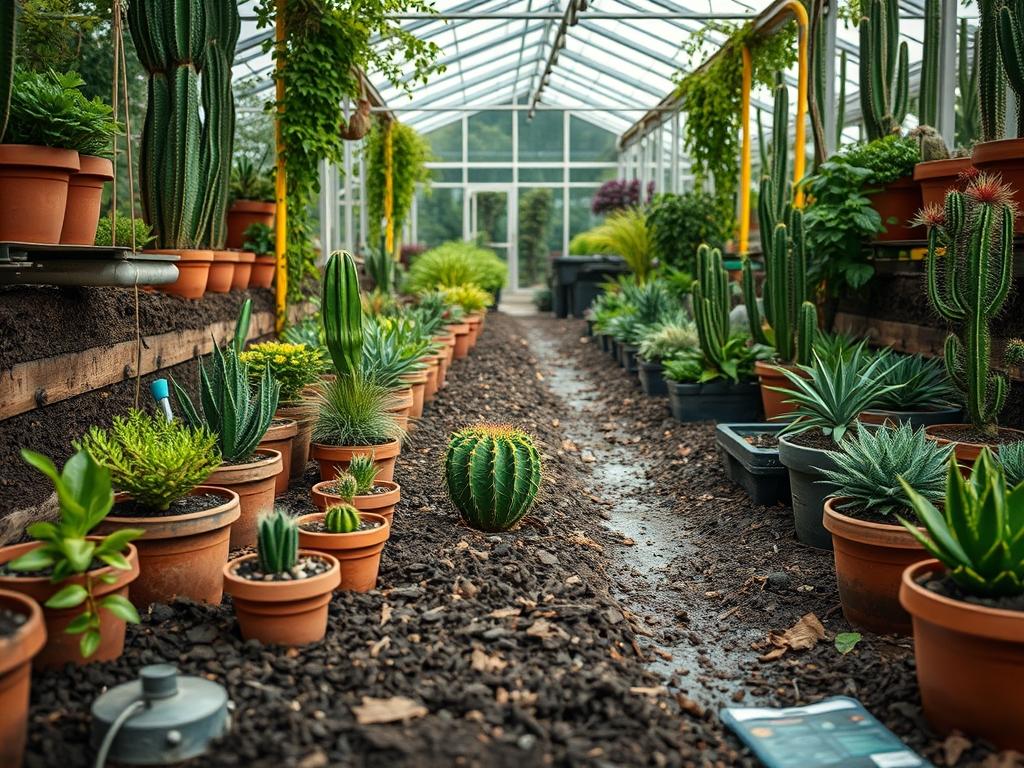
Integrating the Schlumbergera truncata, more commonly known as the Thanksgiving cactus, into a comprehensive landscape plan requires a departure from standard succulent management. While most cacti are associated with arid, high-heat environments and xeriscaping, the Thanksgiving cactus is a tropical epiphyte. In coastal microclimates or specific horticultural zones like 10 through 12, these plants function as vital color accents for shaded patios and transition zones. The primary challenge for any landscape architect is balancing the high humidity these plants crave with the precise drainage required to prevent root pathogens. Designing an environment where the Thanksgiving Cactus Soil remains consistently moist but never waterlogged is a technical exercise in substrate engineering and site selection. Unlike common garden succulents, this species thrives in the filtered light of a canopy or a north-facing architectural alcove, making it a valuable tool for adding texture to the lower layers of a shade garden.
Curb appeal is often dictated by seasonal interest, and the Thanksgiving cactus excels here by providing vibrant blooms when most other temperate plants have entered dormancy. Integrating these into a permanent landscape involves creating micro-environments that mimic a forest floor. This means moving away from the native mineral soils found in many backyards and toward highly organic, porous mediums. For a landscape architect, the goal is to weave these plants into the functional layers of an outdoor living space. They work beautifully as low-level infill near stone walkways or as cascading features in elevated masonry planters. When the soil composition is dialed in correctly, the plant maintains a lush, deep green luster that contrasts sharply against hardscape materials like slate or limestone.
Landscape Design Principles
Successful integration of tropical succulents into a broader landscape relies on the principle of elevation layers. We rarely place a Thanksgiving cactus directly in a flat garden bed because of the risks associated with ground-level drainage and soil compaction. Instead, we use verticality to our advantage. By utilizing retaining walls or raised limestone planters, we can control the soil profile specifically for the plant. This allows for a focal point at eye level or waist height, emphasizing the unique segmenting of the leaves and the architectural draping of the stems. Symmetry can be achieved by flanking a shaded entryway with matched ceramic urns, where the soil moisture is easier to regulate than in a traditional flower bed.
Irrigation planning for these areas must be distinct from the rest of the yard. While a lawn might require deep, infrequent soaking, the area designated for Thanksgiving Cactus Soil needs high-frequency, low-volume moisture. Drip irrigation systems should be tuned to provide a fine mist or a slow trickle that maintains a 60 percent to 70 percent moisture saturation. Visual balance is maintained by pairing the cactus with plants of similar leaf textures but differing heights, such as Ferns or Hostas. This creates a lush, tiered aesthetic that feels like a natural woodland. Walkways should be designed to allow maintenance access without compacting the airy soil, using pavers or stepping stones to distribute weight.
Plant and Material Selection
| Plant Type | Sun Exposure | Soil Needs | Water Demand | Growth Speed | Maintenance Level |
| :— | :— | :— | :— | :— | :— |
| Thanksgiving Cactus | Filtered Shade | High Organic / Porous | Moderate to High | Moderate | Medium |
| Bird’s Nest Fern | Indirect Light | Peat-based Mix | High | Slow | Low |
| Hosta ‘Blue Mouse Ears’ | Full Shade | Loamy / Well-drained | Moderate | Medium | Low |
| Impatiens | Part Shade | Rich / Consistent | High | Fast | High |
| Japanese Forest Grass | Dappled Shade | Moist / Humus-rich | Moderate | Slow | Low |
Implementation Strategy
The implementation of a shade-focused landscape begins with proper grading. To protect the base of your structures and ensure the health of your plants, the ground must slope away from the foundation at a minimum of two percent. When preparing a site for tropical epiphytes, we often specify a specialized excavation. For a raised bed or a border, remove the existing clay or sandy soil to a depth of 12 inches. The bottom of this trench should be lined with a thin layer of pea gravel to facilitate rapid drainage.
Once the drainage layer is set, we introduce the Thanksgiving Cactus Soil mix. This is not a standard garden dirt. We combine orchid bark, sphagnum peat moss, and perlite in a ratio that prioritizes air pockets. This structural integrity allows the soil to hold onto moisture without the water replacing the oxygen needed by the roots. Edging is then installed using steel edging or tumbled brick to keep the specialized soil from washing away during heavy rain. Finally, we apply a two-inch layer of pine bark mulch. This mulch serves a dual purpose: it regulates soil temperature and prevents the evaporation of the moisture that is so critical for this specific species. When the hardscaping is finished, the plants are tucked in with enough spacing to allow for their natural spreading habit, which can reach 18 to 24 inches in diameter over time.
Common Landscaping Failures
The most frequent failure in managing the Thanksgiving Cactus Soil environment is soil compaction. This often occurs when gardeners use heavy topsoil or native clay in their planters. Because these cacti are used to growing in the crooks of trees in the Brazilian rainforest, their roots will suffocate in dense garden soil. Another common mistake is improper drainage at the pot or planter level. If a container lacks a drainage hole or if that hole becomes blocked by debris, the resulting stagnant water leads to Pythium or Phytophthora, both of which cause rapid root rot.
Irrigation inefficiencies also contribute to landscape failure. Many automated systems are set to a “set it and forget it” schedule that does not account for the high transpiration rates of the Thanksgiving cactus during the summer. If the soil dries out completely, the plant will shed its segments as a survival mechanism. Conversely, overcrowding plants can lead to a lack of airflow. In humid environments, poor circulation promotes fungal leaf spot. We recommend a minimum spacing of 12 inches between the center of each plant and any neighboring foliage to ensure that air can move freely through the canopy.
Seasonal Maintenance
Seasonal management of a professional landscape involving tropical succulents requires a proactive approach. In the Spring, the focus is on replenishment. This is the ideal time to top-dress the beds with fresh organic compost and check the irrigation emitters for clogs. As the weather warms, the water demand will increase. During the Summer, moisture monitoring is daily. You should feel the soil at a depth of one inch regularly; if it feels dry to the touch, it is time for a deep misting. This is also when we apply a balanced, water-soluble fertilizer at half-strength to support the vegetative growth that will eventually produce flowers.
When Autumn arrives, the maintenance logic shifts toward bloom induction. To trigger the distinctive flower display, the plant requires cooler night temperatures and longer periods of darkness. We reduce the watering frequency slightly, allowing the Thanksgiving Cactus Soil to dry out a bit more than usual, though it should never become bone-dry. In the Winter, protection from frost is the absolute priority. If your landscape is in a marginal zone where temperatures dip below 40 degrees Fahrenheit, these plants must be sheltered or moved to a protected sunroom. During the dormant period after blooming, water demand is at its lowest, and fertilization should cease entirely until the new growth appears in the spring.
Professional Landscaping FAQ
Why does my cactus drop its flower buds prematurely?
Bud drop usually occurs due to sudden changes in temperature or moisture levels. Ensure the Thanksgiving Cactus Soil remains consistently damp and avoid placing the plant in the path of drafty air conditioners or heaters. Consistent environments promote bloom retention.
Can I use regular cactus soil for my Thanksgiving cactus?
Standard cactus soil is often too sandy and lacks the organic matter required to hold moisture. A professional-grade Thanksgiving Cactus Soil should include peat or bark to mimic the water-retentive qualities of a tropical forest floor.
How do I improve drainage in a heavy clay landscape?
Incorporate organic amendments like coarse bark and perlite rather than sand. Sand can turn clay into a concrete-like substance. Elevating the planting area using retaining walls is the most effective way to manage drainage in clay-heavy regions.
What is the best mulch for tropical succulent beds?
Pine bark nuggets or shredded cedar are excellent choices. They provide an acidic pH as they break down, which the Thanksgiving cactus prefers. Avoid using stone mulch, as it can trap excess heat and dry out the roots.
How much light is too much for this species?
Direct afternoon sun will scorch the segments, turning them a stressed reddish color or causing yellowing. Aim for dappled shade under a tree canopy or the protected shadow of a north-facing wall for optimal health.