
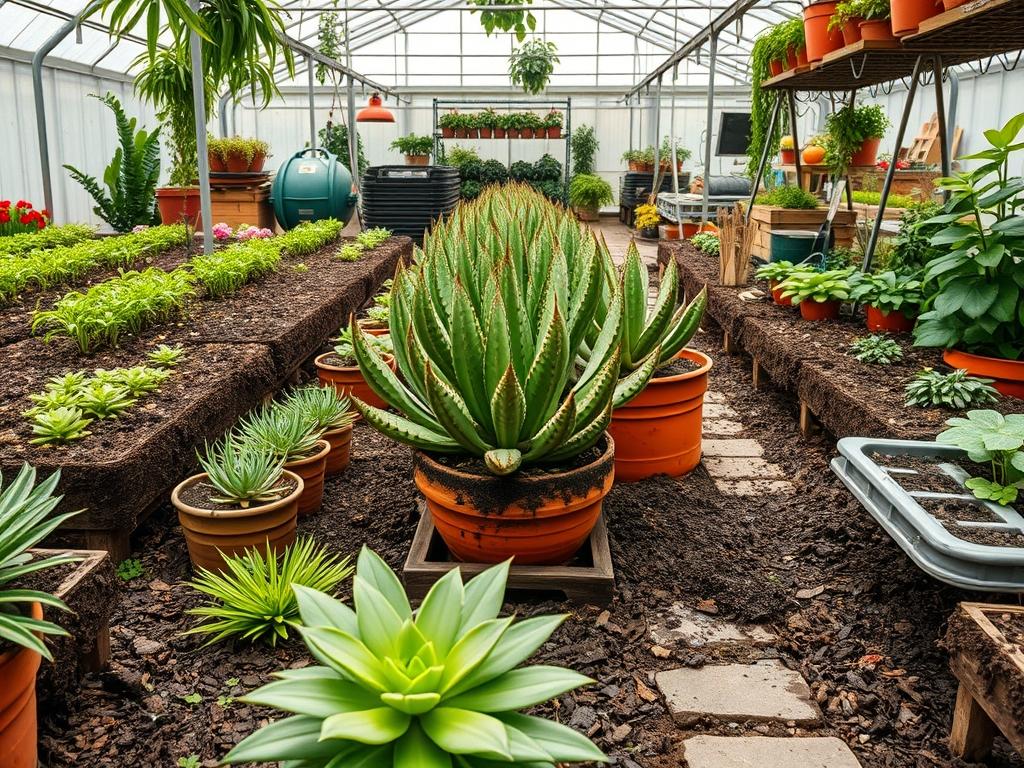
Achieving a high-end landscape aesthetic requires a deep understanding of botanical requirements, especially when integrating Brazilian epiphytes like the Easter Cactus into a curated outdoor environment. While many homeowners view these plants primarily as indoor accents, a seasoned landscape architect recognizes their potential to transform shaded patios, atriums, and sheltered garden rooms into lush, tropical retreats. The foundational challenge in these designs often stems from the substrate. Identifying and mixing the best soil for Easter cactus health is not merely a horticultural task; it is a critical component of infrastructure planning. In temperate climates, these plants define the curb appeal of transition spaces, such as covered porches or tiered retaining walls, where their seasonal bloom provides a burst of color. Ensuring the soil facilitates proper hydraulic conductivity and aeration determines whether the landscape remains vibrant or succumbs to the structural decay associated with root rot and poor drainage.
Integrating the Rhipsalidopsis gaertneri into an outdoor living plan requires a balance between functionality and visual harmony. The plant serves as a softening element against hardscapes, such as flagstone walkways or basalt pavers. Because the Easter cactus has specific moisture needs that differ from typical bedding plants, the landscape must be designed with micro-climates in mind. We look for areas with dappled sunlight and protection from the drying effects of high-velocity winds. The soil serves as the interface between the plant and the larger environment, acting as a thermal buffer and a nutrient reservoir. When we plan these spaces, we consider how the texture of the soil allows for rapid drainage after heavy rainfall, preventing the unsightly wilting that can ruin the symmetry of a professional garden layout.
Landscape Design Principles
In professional landscape architecture, every element must contribute to the overall visual balance and structural integrity of the site. When incorporating the Easter Cactus, symmetry is often achieved by utilizing pairs of high-quality terra cotta or ceramic planters at focal points, such as entryways or the terminators of garden vistas. These focal points draw the eye and provide a sense of intentionality to the plant placement. We also utilize elevation layers to create depth. By placing the Easter Cactus on raised pedestals or within the upper tiers of a sandstone retaining wall, we allow its pendulous stems to cascade naturally. This creates a vertical interest that bridges the gap between low-lying groundcovers and taller woody shrubs.
Irrigation planning is perhaps the most technical aspect of these garden principles. Unlike a standard lawn which may use oscillating sprinklers, a space featuring these cacti requires precision. We often design drip irrigation systems with 0.5 GPH emitters to deliver water directly to the root zone without saturating the foliage. This prevents fungal pathogens and ensures that the moisture levels remain consistent. Visual balance is further maintained by contrasting the delicate, segmented leaves of the cactus with broader, coarser textures like those found in Hostas or Cast Iron Plants. This layering effect ensures the garden feels full and established throughout the year, even when the primary species is not in its flowering phase.
Plant and Material Selection
Selecting the right materials is the difference between a garden that thrives and one that requires constant replacement. The best soil for Easter cactus is a customized blend rather than a standard potting mix. Below is a breakdown of the materials and plant characteristics relevant to this landscape strategy.
| Plant or Material | Sun Exposure | Soil Needs | Water Demand | Growth Speed | Maintenance Level |
| :— | :— | :— | :— | :— | :— |
| Easter Cactus | Partial Shade | Acidic, Porous | Moderate | Slow | Medium |
| Pine Bark Nuggets | N/A | High Aeration | N/A | N/A | Low |
| Perlite | N/A | Drainage | N/A | N/A | Low |
| Peat Moss | N/A | Moisture Retention | N/A | N/A | Medium |
| Horticultural Charcoal| N/A | Purification | N/A | N/A | Low |
| Bird of Paradise | Full Sun | Loamy/Rich | High | Medium | Medium |
| Blue Star Fern | Deep Shade | Consistent Moisture| High | Fast | High |
The best soil for Easter cactus typically consists of one part peat moss, one part perlite, and one part fine-grade orchid bark. This mixture ensures that oxygen can reach the roots even when the soil is damp. We also recommend incorporating horticultural charcoal to keep the soil “sweet” and prevent the buildup of anaerobic bacteria. When we select native plants to accompany these displays, we look for species with similar pH requirements, generally between 5.5 and 6.3, to ensure chemical harmony across the planting bed.
Implementation Strategy
Planning a backyard layout involving epiphytic plants requires a step-by-step approach to grading and soil placement. First, we identify the site’s drainage patterns. If the area is prone to standing water, we must install a French drain or elevate the planting area using a stone retaining wall. Once the elevation is set, we focus on the containers or raised beds. If the cacti are to be planted in a dedicated outdoor bed, the native soil must be excavated to a depth of 12 inches and replaced with the specialized porous mix. We do not recommend planting these directly into heavy clay soil, as it will lead to immediate root suffocation.
The next step involves edging. We use powder-coated aluminum edging or Belgian block to create a clean transition between the porous cactus media and the surrounding turf or mulch zones. For mulch, we avoid heavy dyed chips which can leach chemicals. Instead, a 2 inch layer of natural pine straw or small river pebbles is used. These materials allow for excellent air exchange while keeping the root zone cool. If hardscaping is involved, such as a slate patio, we ensure the slope is graded at a 2 percent angle away from the cactus containers to prevent moisture accumulation at the base of the pots. Finally, we install low-voltage LED path lights to highlight the architectural shape of the cacti during the evening hours.
Common Landscaping Failures
One of the most frequent mistakes in outdoor planning is the use of standard garden soil in specialized containers. This leads to soil compaction, where the air pockets necessary for root respiration are crushed by the weight of the water and decomposing organic matter. In our consultancy, we often see “wet feet” as the primary cause of plant death. This occurs when drainage holes are blocked or when a saucer is left full of water, drowning the distal roots. To avoid this, we recommend using a 1 inch layer of crushed granite or lava rock at the bottom of every planter to ensure an unhindered exit for excess water.
Root overcrowding is another issue that can diminish the health of your display. While the Easter Cactus prefers to be somewhat snug, a complete lack of space prevents the soil from refreshing its nutrient load. Furthermore, improper spacing between plants can lead to poor air circulation, creating a breeding ground for mealybugs and scale. In our designs, we maintain a minimum of 18 inches between large specimens to allow for natural growth and easy maintenance access. Lastly, many homeowners fail to account for the “Perched Water Table” effect. This happens when a fine-textured soil is placed over a coarse-textured one; the water refuses to move into the lower layer until the upper layer is completely saturated. Using a consistent, well-blended mix throughout the entire profile is the best way to mitigate this risk.
Seasonal Maintenance
Landscape management for the Easter Cactus follows a specific seasonal rhythm. In the spring, we focus on nutrient replenishment. After the flowering cycle concludes, we apply a balanced 10-10-10 water-soluble fertilizer at half strength to encourage new vegetative growth. This is also the ideal time for minor pruning with bypass pruners to maintain the desired shape and density. As we move into summer, the primary goal is heat management. We ensure the irrigation system is checked weekly for clogs and that the plants receive adequate shade during the peak afternoon sun, usually between 1 P.M. and 4 P.M.
Autumn is the most critical period for flower induction. To set buds for the following spring, the plants require cooler nighttime temperatures, ideally between 50 and 55 degrees Fahrenheit, along with a reduction in water. We advise our clients to stop fertilizing by late September. In winter, the cacti enter a period of dormancy. For landscapes in colder zones, this means moving the containers to a frost-free environment such as a heated greenhouse or an enclosed sunroom. For those in tropical zones, we monitor for frost warnings and use frost blankets or burlap wraps to protect the delicate segments from freezing. Regular soil moisture checks with a long-stemmed moisture meter help prevent over-watering during these dormant months.
Professional Landscaping FAQ
What is the single most important ingredient for these plants?
The best soil for Easter cactus must include orchid bark or pine bark. This material provides the structural pores required for epiphytic roots to breathe, preventing the compaction that frequently kills plants in traditional potting soil or heavy garden dirt.
Can I use cactus mix from the local hardware store?
Generic desert cactus mix is often too sandy and lacks the organic matter needed for forest-dwelling species. To improve it, mix in one part peat moss and one part perlite to ensure the medium retains the acidity and moisture these plants require.
How deep should the mulch be around my outdoor planters?
Maintain a mulch depth of 2 to 3 inches. This thickness is sufficient to suppress weeds and retain soil moisture without burying the base of the plant, which could cause stem rot. Use pine straw for the best acidic results.
How do I know if my soil drainage is insufficient?
If water sits on the surface for more than 30 seconds after pouring, your soil is too dense. Healthy landscape soil for these species should allow water to pass through the root zone and out the drainage holes almost immediately.
Does elevation affect soil choice in a landscape?
Yes. Plants in elevated hanging baskets or high retaining walls dry out faster due to increased wind exposure. In these locations, increase the peat moss ratio slightly to ensure the roots do not desiccate during the hot summer months.