
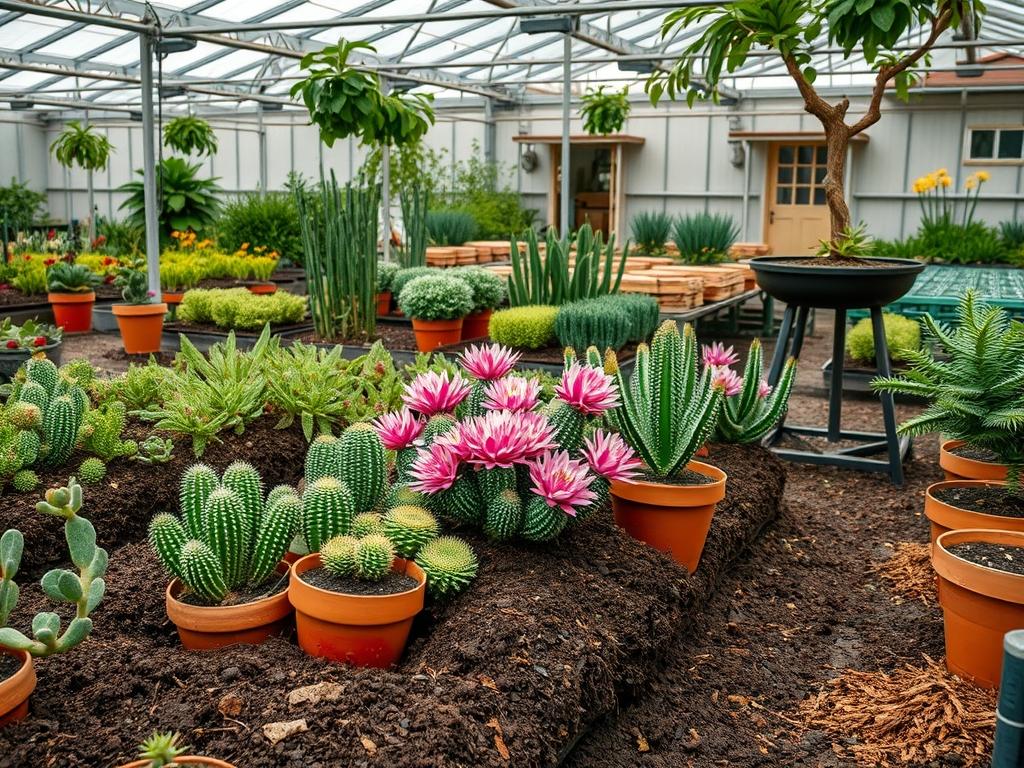
Integrating tropical epiphytes like the Christmas Cactus into a comprehensive landscape design requires a sophisticated understanding of both aesthetic balance and subterranean physics. While many view these plants as mere indoor ornaments, the professional consultant recognizes them as vital components for shaded outdoor living spaces, lanais, and covered entryways. The primary challenge in utilizing the Schlumbergera species within a structural environment is the transition from a controlled interior climate to the fluctuating variables of an outdoor garden. Achieving curb appeal with these distinctive succulents depends entirely on their health, which is dictated by the precise composition of the Christmas Cactus Soil Mix. Without a substrate that mimics their natural canopy environment, these plants fail to provide the lush, weeping textures required to soften the hard angles of Stone Pavers or Concrete Retaining Walls.
Success in this landscape niche demands a focus on functionality and drainage. In outdoor settings, the risk of root rot increases exponentially due to unpredictable rainfall and humidity. Therefore, the soil acts as the primary engineering tool to manage moisture. A well-designed garden layout incorporates these cacti at eye level or higher to showcase their pendulous stems. This elevates the visual plane of the garden, drawing the eye upward from ground-cover layers toward architectural focal points. When the soil mix is optimized, the plant achieves a structural rigidity that allows it to cascade elegantly without collapsing. This creates a professional finish in any outdoor environment, ensuring that the botanical elements complement the surrounding hardscaping rather than detracting from it through wilted or discolored foliage.
Landscape Design Principles
Applying professional design principles to a space featuring the Christmas Cactus involves more than simple placement. Symmetry plays a crucial role when using these plants as anchors for a shaded gallery or a covered porch. Placing identical specimens in Ceramic Planters on either side of a doorway establishes a formal rhythm and provides a welcoming transition from the exterior landscape to the interior living space. Focal points can be further enhanced by grouping various species of Schlumbergera with differing bloom cycles, such as the Thanksgiving Cactus or Easter Cactus, to ensure a continuous display of color across multiple seasons.
Elevation layers are essential for creating depth in a garden. Because the Christmas Cactus is naturally an epiphyte, meaning it grows on trees or rocks in the wild, it should be positioned to mimic this elevated habit. Utilizing multi-tiered stands or wall-mounted Cedar Planters allows for a stacked visual effect. This layering technique separates the foreground ground-cover from the mid-ground architectural features. Irrigation planning is another vital principle. Unlike traditional garden beds, containers require a localized approach. A professional landscape setup might include a hidden Drip Irrigation System with Micro-emitters calibrated to the specific porosity of the Christmas Cactus Soil Mix. This ensures that the water moves through the substrate efficiently without lingering at the root zone, maintaining the visual balance of the plant by preventing the yellowing or dropped segments associated with over-saturation.
Finally, walkways and paths should be designed to invite close interaction with these plants. Strategic placement along a Flagstone Path tucked under a pergola allows visitors to appreciate the intricate floral geometry during the blooming season. The soil mix’s ability to support healthy, vibrant growth directly impacts how these plants interact with the surrounding light. In a well-planned landscape, the plant’s deep green segments provide a stark, cooling contrast to high-texture materials like Rough-Cut Limestone or Dark Mulch, proving that even small-scale botanical choices can have a large-scale impact on the overall environment.
Plant and Material Selection
| Plant Type | Sun Exposure | Soil Needs | Water Demand | Growth Speed | Maintenance Level |
| :— | :— | :— | :— | :— | :— |
| Christmas Cactus | Partial Shade | Airy, Acidic Mix | Moderate | Medium | Medium |
| Boston Fern | Full Shade | Peat-Based | High | Fast | High |
| Sedum | Full Sun | Gritty, Sandy | Low | Fast | Low |
| Bromeliad | Dappled Light | Well-drained | Moderate | Slow | Low |
| Orchid Bark | N/A (Material) | Structural Filler | N/A | N/A | N/A |
| Perlite | N/A (Material) | Aeration Component | N/A | N/A | N/A |
Implementation Strategy
Implementing a professional-grade display for these plants starts with the backyard or terrace layout. Begin by assessing the Grading of the area to ensure that runoff from larger landscape features does not pool near the container sections. Even if the plants are held in pots, the surrounding ground must facilitate drainage to prevent localized humidity spikes that can encourage fungal pathogens. When designing the layout, incorporate Edging materials such as Steel Strips or Brick Borders to define the transition between the lush, shaded cactus zone and the more rugged, sun-drenched areas of the garden.
The core of the implementation is the formulation of the Christmas Cactus Soil Mix. A professional standard usually involves a ratio of 2 parts Peat Moss, 1 part Perlite, and 1 part Coarse Sand or Orchid Bark. This mixture provides the necessary acidic pH between 5.5 and 6.2 while ensuring maximum oxygenation for the roots. When filling the containers, avoid tamping the soil down too firmly. Soil compaction is the enemy of the Schlumbergera. Instead, gently settle the mix by watering it once the plant is in place. If the cacti are part of a larger hardscaped installation, such as a Vertical Garden Wall, ensure that each individual cell has a dedicated drainage hole and that the Mulch Depth in surrounding beds is kept at a consistent 2 to 3 inches to regulate ambient moisture.
For a cohesive look, match the Mulch color to the Planter or the home’s trim. Dark Pine Bark Mini-Nuggets are an excellent choice because they complement the cactus segments and contribute to the acidic environment as they slowly decompose. If your strategy includes incorporating these plants into Retaining Walls, use “pocket planting” techniques where a cavity is left in the masonry to hold a removable pot. This allows for the seasonal movement of the plants while maintaining the permanent structural beauty of the stone.
Common Landscaping Failures
One of the most frequent mistakes in managing these specialized environments is improper drainage design. Many homeowners treat the Christmas Cactus like a desert succulent, placing it in a sandy, heavy soil that lacks the organic matter required for its tropical nature. Conversely, some use standard potting soil that retains too much moisture, leading to a complete collapse of the root system. Professionals look for “perched water tables” within containers, where a layer of fine soil sits atop a layer of coarse gravel. This actually hinders drainage rather than helping it. The Christmas Cactus Soil Mix must be uniform from top to bottom to allow for even capillary action and air exchange.
Root overcrowding and improper spacing also lead to aesthetic failure. When these cacti are squeezed into a small space alongside aggressive growers like English Ivy, they are quickly outcompeted for nutrients and airflow. This competition leads to a sparse, leggy appearance that ruins the intended lush effect. Furthermore, soil compaction over time can choke the roots. If the soil has not been refreshed or aerated with Perlite within three years, the plant will stop blooming and the segments will begin to shrivel. Irrigation inefficiencies, particularly the use of high-mineral well water, can lead to a salt buildup in the soil. This manifests as a white crust on the surface and causes the leaf segments to drop prematurely, destroying the plant’s curb appeal.
Seasonal Maintenance
Seasonal management is the key to a long-lived landscape feature. In the Spring, after the blooming cycle has concluded, the focus should be on pruning to encourage a bushier habit. This is also the ideal time to refresh the top 1 inch of the Christmas Cactus Soil Mix with fresh organic matter. As the weather warms into Summer, monitor the light exposure carefully. While these plants enjoy the outdoors, direct noon sun will scorch the segments, turning them yellow or a stressed reddish-purple. Increase the frequency of misting if the ambient humidity drops below 50 percent.
When Autumn arrives, the maintenance schedule shifts to bloom induction. This requires a reduction in water and a period of cooler temperatures, ideally between 50 and 55 degrees Fahrenheit. Professionals often move these plants to a darker area of the landscape where they are not affected by nighttime streetlights or garden security lamps, as they require 12 to 14 hours of total darkness to set buds. During Winter, the primary goal is protecting the plant from frost. While they are hardier than some tropicals, a hard freeze will turn the water-heavy segments into mush. Move containers to a sheltered location or use Frost Blankets if a temperature drop is expected. Avoid fertilizing during the winter months, as the plant is focusing its energy on the floral display rather than vegetative growth.
Professional Landscaping FAQ
What is the best base for Christmas Cactus Soil Mix?
A high-quality Peat Moss or Coco Coir base is essential. It provides the necessary acidity and moisture retention while remaining light enough to prevent root suffocation in a professional landscape container or hanging basket.
How do I improve drainage in heavy clay areas?
If you are placing pots on clay ground, use a Pea Gravel base under the pot. Within the Christmas Cactus Soil Mix, increase the Perlite or Pumice ratio to ensure water exits the root zone rapidly.
Can I use garden soil for my Christmas Cactus?
No, standard garden soil is too dense and often contains pathogens. Professionals always use a sterilized, soilless media blend to ensure the long-term health and structural integrity of Schlumbergera specimens in any design.
How often should I replace the soil mix?
For optimal growth, replace the Christmas Cactus Soil Mix every 2 to 3 years. This prevents the components from breaking down and compacting, which allows for continued aeration and nutrient uptake for the plant.
What mulch should I use around my outdoor containers?
Use Pine Bark or Cedar Mulch. These organic materials help maintain a slightly acidic micro-climate and regulate the temperature of the pots, protecting the sensitive root systems from the heat of the summer sun.