
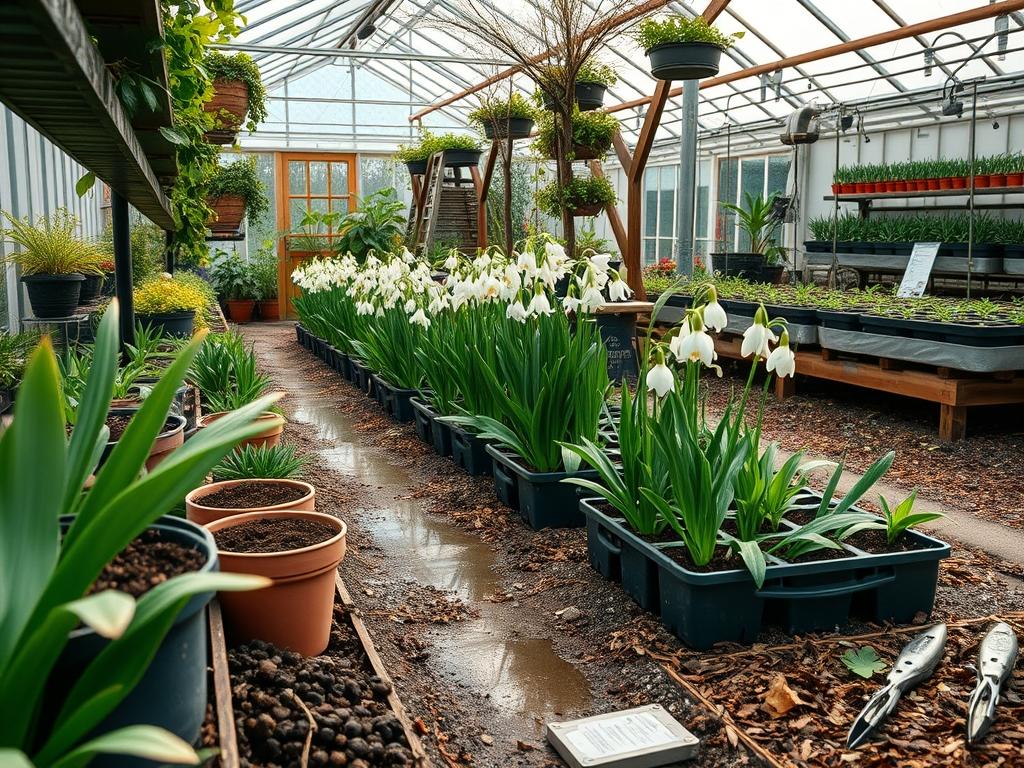
The winter landscape often presents a stark, dormant canvas that lacks the vibrant architectural interest found in the warmer months. For landscape architects and homeowners alike, the primary challenge is to maintain curb appeal and outdoor functionality when most temperate species have retreated into senescence. Integrating Paperwhites into the outdoor environment, particularly in USDA zones 8 through 11, offers a sophisticated solution for mid-winter color and fragrance. However, the successful establishment of these bulbs depends heavily on the subterranean environment. Selecting the best soil for Paperwhites is not merely a matter of convenience; it is a critical design decision that affects bulb longevity, stem rigidity, and the overall aesthetic health of the garden. Unlike many spring-flowering bulbs that require a chilling period, Paperwhites are tender narcissi that demand a delicate balance of moisture and aeration to prevent basal rot during the cool, damp months of winter.
Landscaping in winter requires a strategic approach to elevation and drainage to protect sensitive root systems. When planning a garden bed that features Paperwhites, one must consider the microclimate of the site. South-facing slopes or areas near heat-retaining structures like brick retaining walls provide the necessary warmth for these bulbs to thrive. The goal is to create a sensory focal point that draws the eye through the gray winter haze, using the brilliant white petals of the Narcissus papyraceus as a high-contrast element against dark mulch or evergreen foliage. By understanding the physical and chemical requirements of the soil, a landscape architect can ensure that these plants do not merely survive the season but serve as a robust component of the property’s winter identity.
Landscape Design Principles
Effective garden planning for winter interest relies on the same core principles as any other season, with a heightened focus on symmetry and focal points. Paperwhites are most effective when planted in large, dense drifts rather than scattered individual stems. This massing technique creates a bold visual impact that can be seen from a distance, improving the property’s curb appeal during a time when other gardens look barren. We use elevation layers to ensure that these relatively short plants are not lost in the background. Planting them in raised beds or along the edges of stone walkways allows their fragrance to reach pedestrians more easily while providing the physical height necessary for visual balance.
Irrigation planning is another vital pillar of professional landscape design. In the winter, the evaporation rate is significantly lower, meaning that the soil stays wet for longer periods. This makes the selection of a well-draining substrate even more critical. If the site has heavy clay, we frequently implement subterranean French drains or utilize perforated 4-inch PVC piping buried beneath the soil surface to channel excess water away from the bulb clusters. In a professional layout, the transition between hardscaping and softscaping must be seamless. Using steel edging or natural stone borders helps define the planting areas, preventing soil erosion and keeping the wood chips or pine straw mulch from washing onto patios during winter storms.
Plant and Material Selection
The following table outlines the technical specifications for plants often integrated with winter bulbs to create a cohesive landscape design.
| Plant Type | Sun Exposure | Soil Needs | Water Demand | Growth Speed | Maintenance Level |
| :— | :— | :— | :— | :— | :— |
| Paperwhites | Full Sun to Part Shade | Loamy, Well-Drained | Moderate | Fast | Low |
| Winter Jasmine | Full Sun | Well-Drained Loam | Low to Medium | Medium | Moderate |
| Hellebores | Partial to Full Shade | Organic Rich, Moist | Medium | Slow | Low |
| Boxwood | Full Sun to Shade | Neutral pH, Loamy | Medium | Slow | Moderate |
| Creeping Phlox | Full Sun | Gritty, Alkaline | Low | Medium | Low |
For the Paperwhites specifically, the best soil is a custom blend rather than standard garden dirt. A mixture consisting of one part coarse sand, one part sphagnum peat moss, and one part perlite provides the ideal structure. This combination ensures that the bulbs remain hydrated but never submerged in standing water. The addition of horticultural grit at the base of each planting hole can further enhance drainage, protecting the delicate basal plate of the bulb from fungal pathogens.
Implementation Strategy
Implementing a professional-grade winter bulb garden starts with proper site grading. Before the first bulb is placed, the land must be sloped at a minimum of two percent away from any building foundations. This prevents water from pooling in the planting zones. Once the grade is established, we begin the layout process using landscape marking paint to outline the drifts. For an organic, natural look, we avoid straight lines and instead favor sweeping curves that mimic natural meadow patterns.
The next step is the excavation of the planting trench. For Paperwhites, the depth should be approximately 6 inches, allowing the bulb to be covered by 3 to 4 inches of soil. We recommend a process called “soil amping,” where the bottom of the trench is loosened with a spading fork and enriched with a thin layer of bone meal and slow-release bulb fertilizer. This ensures that as the roots emerge, they have immediate access to phosphorus, which is essential for strong stem development. After placing the bulbs roughly 3 to 5 inches apart, the custom soil mix is backfilled and lightly tamped to remove large air pockets without causing excessive soil compaction.
Hardscaping elements like stepping stones or flagstone paths should be installed concurrently to provide access for maintenance without trampling the dormant bulbs. Finally, a 2-inch layer of hardwood mulch is applied over the top. This mulch serves multiple purposes: it regulates soil temperature, suppresses winter weeds, and provides a dark, clean background that makes the white flowers pop visually.
Common Landscaping Failures
The most frequent mistake in bulb landscaping is failing to account for the “sump effect.” This occurs when a planting hole is dug in heavy clay and filled with light, porous potting soil. The hole essentially acts as a bucket, collecting all surrounding water and drowning the plant. To avoid this, the entire bed must be amended, or a transition zone of expanded shale must be used to bridge the gap between the native soil and the planting medium.
Another common failure is root overcrowding. While Paperwhites look best in drifts, planting them too tightly restricts airflow and competition for nutrients can lead to stunted growth. Proper spacing of 4 inches on center is the industry standard for a lush but healthy appearance. Furthermore, improper mulch depth can be detrimental. Applying more than 3 inches of mulch can suffocate the bulbs and prevent the shoots from emerging correctly, while less than 1 inch fails to provide adequate frost protection. Finally, many contractors forget to check the pH of the soil. Paperwhites prefer a neutral to slightly acidic pH between 6.0 and 7.0. If the soil is too alkaline, the bulbs may struggle to uptake iron, resulting in yellowing foliage.
Seasonal Maintenance
Landscape management is a year-round commitment. In the spring, after the Paperwhites have finished blooming, it is vital to leave the foliage intact until it has completely turned yellow. This allows the plant to photosynthesize and store energy in the bulb for the following year. During this time, a light application of all-purpose liquid fertilizer can support the recharging process.
Summer maintenance involves managing the dormant site. Since the bulbs are underground, the area can be overplanted with shallow-rooted annuals like Petunias or Vinca. It is important to minimize heavy irrigation during the summer months to prevent the bulbs from rotting in their dormant state. In autumn, the site should be cleared of debris. A fresh layer of compost and a light dusting of granulated fertilizer will prepare the soil for the upcoming growth cycle. Winter maintenance is relatively hands-off; however, in the event of an extreme freeze, covering the emerging shoots with frost blankets or extra straw can prevent tip burn and preserve the aesthetic quality of the blooms.
Professional Landscaping FAQ
What is the best soil for Paperwhites in outdoor pots?
The best soil for potted Paperwhites is a sterile, soilless mix containing peat moss, vermiculite, and coarse sand. This ensures maximum drainage and prevents the soil from becoming heavy and waterlogged during frequent winter rains.
How deep should Paperwhites be planted in a garden?
In a garden setting, plant bulbs 4 to 6 inches deep. This depth provides structural support for the tall stems and protects the bulb from surface temperature fluctuations. Ensure at least 3 inches of settled soil covers the bulb top.
Can I use native clay soil for Paperwhites?
Native clay is usually too dense for Paperwhites and leads to rot. You must amend clay with organic matter and expanded shale, or better yet, build a raised bed filled with high-quality loam and perlite.
Do Paperwhite bulbs need a lot of fertilizer?
They require minimal fertilizer if the soil is healthy. A single application of low-nitrogen bulb food during planting is usually sufficient. Avoid high-nitrogen fertilizers, as they encourage excessive foliage growth at the expense of sturdy, upright flower stems.
Why are my Paperwhites falling over in the garden?
Stem flopping is often caused by soil that is too rich or by insufficient sunlight. Ensure they receive 6 hours of sun and use a gritty soil mix. If necessary, use bamboo stakes or decorative wire supports to maintain upright growth.