
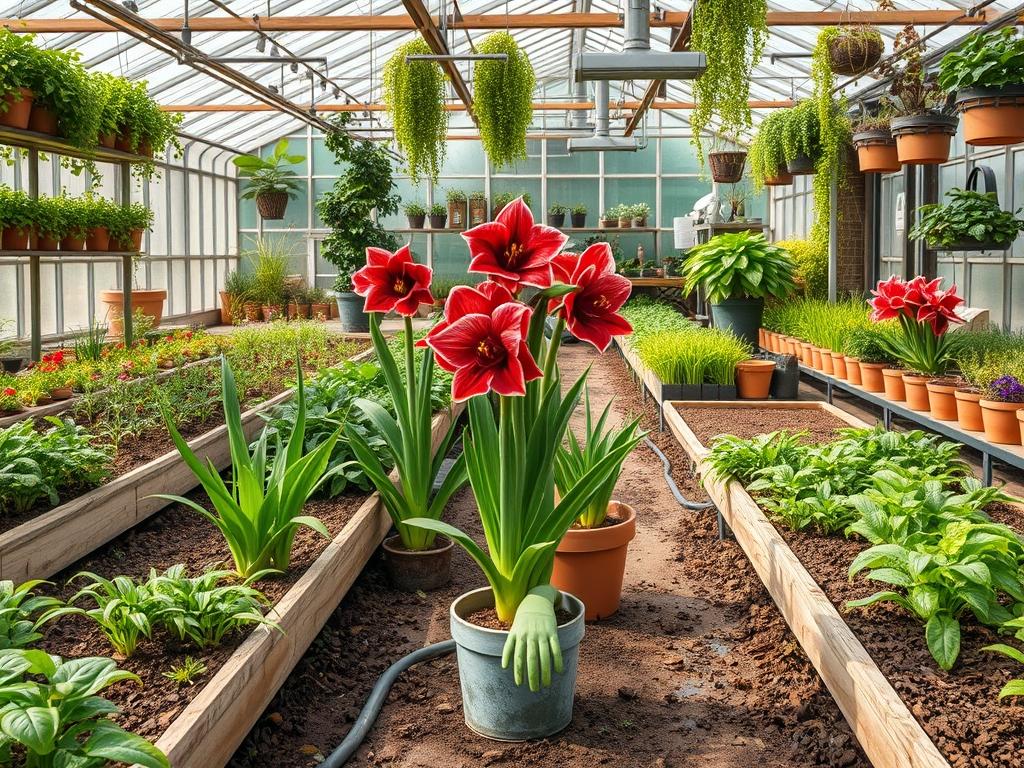
Integrating high-performance specimens like Amaryllis into a professional landscape requires more than a simple hole in the ground. For a landscape architect, these bulbs represent a dramatic architectural asset that can anchor a seasonal border or define a luxurious outdoor entryway. However, the success of these vibrant focal points rests entirely upon a technical understanding of the substrate. When we discuss Amaryllis Soil Needs, we are not merely talking about dirt; we are discussing a structural foundation designed to facilitate rapid drainage while providing the mechanical resistance necessary to support top-heavy floral displays. In many temperate and subtropical climates, the challenge is balancing aesthetic curb appeal with the functional reality of soil physics. A poorly drained site will lead to bulb rot within a single season, while a soil that is too airy will fail to anchor the heavy, two foot stalks that emerge during the blooming cycle.
The landscaping challenge often involves integrating these bulbs into existing beds where the soil may be compacted or overly saturated. From an outdoor functionality perspective, we must view the garden as a holistic system. This means considering how water moves across the site, how light hits the foliage at different times of the day, and how the soil chemistry interacts with the local water table. To achieve maximum impact, the placement of these plants must be intentional. They serve as vertical accents that draw the eye upward, breaking the monotony of low-lying groundcovers. If the site is prone to heavy rains, the implementation of raised beds or specialized berms becomes a necessity rather than an aesthetic choice. By focusing on the structural integrity of the soil, we ensure that the landscape remains low-maintence and high-reward for years to come.
Landscape Design Principles
Successful garden planning relies on the fundamental principle of symmetry and the strategic use of focal points. In a formal landscape, Amaryllis can be planted in staggered rows to create a rhythm along a walkway. This repetition provides a sense of order and professional finish. Visual balance is achieved by pairing the bold, broad leaves of the bulb with finer-textured companion plants. For example, the sharp, lance-like foliage of the bulb contrasts beautifully against the soft, airy plumes of Ornamental Grasses.
Elevation layers are another critical consideration. By planting bulbs on a slight incline or using Retaining Walls to create tiered levels, we can manipulate the viewer’s perspective and ensure that the blooms are highlighted at eye level. This elevation also serves a dual purpose by naturally shedding excess water away from the bulb’s crown. Irrigation planning should be integrated early in the design phase. For bulbs that require specific moisture levels, a dedicated Drip Irrigation zone is far superior to standard overhead sprayers, which can trap moisture in the petals and lead to fungal issues.
Furthermore, the design must account for the transition between blooming seasons. Since these bulbs enter a dormancy phase, they should be strategically obscured by secondary plantings. We often utilize Perennial Shrubs or Evergreen Groundcovers that can fill the visual void once the flower stalks have been spent. This layering ensures that the landscape maintains its structure and lushness even when the primary focal point is resting.
Plant and Material Selection
Selecting the right biological and physical materials is the cornerstone of a resilient outdoor environment. The following table outlines the specifications for a balanced landscape featuring high-impact bulbs and their common companions.
| Plant Type | Sun Exposure | Soil Needs | Water Demand | Growth Speed | Maintenance Level |
| :— | :— | :— | :— | :— | :— |
| Amaryllis | Full to Partial Sun | Gritty, Well-drained | Low to Moderate | Fast (seasonal) | Moderate |
| Dwarf Boxwood | Full Sun | Loamy, Neutral pH | Moderate | Slow | High (pruning) |
| Lantana | Full Sun | Sandy, Porous | Low | Fast | Low |
| Creeping Thyme | Full Sun | Poor to Sandy | Very Low | Moderate | Low |
| Japanese Fern | Full Shade | Rich, Organic | High | Slow | Moderate |
For the physical substrate, the material selection should include a blend of Coarse Sand, Perlite, and Aged Pine Bark. These materials provide the “support and drainage” mentioned previously. The Coarse Sand adds weight and friction, ensuring the roots have something to grip, while the Perlite and Bark create the large macropores necessary for oxygen exchange and water movement.
Implementation Strategy
The transition from a blueprint to a thriving garden requires a methodical implementation strategy. First, the site must be graded to ensure that water flows away from the primary planting zones. A One Percent slope is often sufficient to prevent pooling. If the existing soil is heavy clay, the most effective solution is to excavate the area to a depth of Twelve Inches and replace the backfill with a custom engineered soil mix.
Next, we establish the edging. Whether using Steel Edging, Corten, or Belgian Block, a crisp edge prevents invasive turf grass from creeping into the bulb beds and competing for nutrients. Once the beds are prepped, the bulbs should be positioned according to the design plan. In professional landscaping, we typically plant in groups of three or five to avoid a scattered, disorganized look. The bulb should be placed so that the top One Third of the neck remains above the soil line. This prevents crown rot and allows the plant to breathe.
After planting, a layer of Hardwood Mulch or Pine Straw should be applied. However, the mulch must be kept away from the immediate neck of the bulb. A depth of Two Inches is ideal for moisture retention and weed suppression without suffocating the root system. Finally, if the landscape design includes hardscaping, such as Flagstone Paths or Paver Patios, these should be installed prior to the planting phase to avoid soil compaction from heavy machinery or foot traffic.
Common Landscaping Failures
The most frequent failure in residential and commercial landscapes is the “bathtub effect.” This occurs when a hole is dug in heavy clay and filled with light potting soil. The water enters the hole but cannot escape through the clay walls, effectively drowning the plant. To avoid this, the entire planting bed must be amended, or a French Drain must be installed to carry water to a lower point on the property.
Root overcrowding is another common issue. While it is tempting to plant bulbs close together for an immediate “full” look, they require space for air circulation and nutrient uptake. Improper spacing leads to stunted growth and increased disease transmission. Soil compaction, often caused by heavy foot traffic during construction, is the silent killer of outdoor environments. Compacted soil lacks the oxygen-filled pores that roots need to survive. A professional solution involves using a Broadfork to aerate the soil without inverting the layers. Lastly, irrigation inefficiencies, such as over-watering during the winter dormancy period, account for a high percentage of bulb loss in permanent landscape installations.
Seasonal Maintenance
Seasonal management is what separates a professional landscape from a hobbyist garden. In the spring, the focus should be on nutrition. Applying a Balanced Fertilizer with a high Phosphorus content will encourage strong root development and vibrant blooms. As the flowers fade, the stalks should be removed with Pruning Shears, but the leaves must remain until they turn yellow. This allows the plant to photosynthesize and store energy for the following year.
During the summer, maintenance shifts to monitoring for pests and managing water. In drought conditions, a deep watering once a week is more effective than daily light mists. Autumn is the time for division. Every Three to Five Years, the bulbs should be lifted and separated to prevent overcrowding. This is also the ideal time to refresh the Mulch and check the integrity of any Retaining Walls or Edging that may have shifted during the growing season. In winter, for zones that experience frost, a thicker layer of protection can be applied, or in colder climates, the bulbs may be lifted and stored in a dry, cool location.
Professional Landscaping FAQ
What is the ideal soil pH for these bulbs?
Most bulbs thrive in a slightly acidic to neutral range, typically between Six Point Zero and Seven Point Zero. You can adjust this with Agricultural Lime to raise the pH or Elemental Sulfur to lower it.
How do I prevent my tall flower stalks from falling over?
Ensure the soil contains enough Coarse Sand for root grip. For exceptionally tall varieties, use Bamboo Stakes tucked behind the foliage to provide discreet mechanical support without detracting from the visual appeal of the bloom.
Can I plant these directly into a lawn?
This is generally discouraged because turf grass has high nitrogen needs and requires frequent watering. These conditions can lead to bulb rot. It is better to create a dedicated Mulched Bed or architectural planter for the bulbs.
Why is drainage more important than fertilization?
Without proper drainage, the roots will die from lack of oxygen, making the plant unable to absorb any fertilizer you apply. Proper soil structure is the prerequisite for all other nutrient management strategies in the landscape.
When should I replenish the organic matter in the soil?
A top-dressing of Compost should be applied every spring. This mimics the natural forest floor and provides a slow-release source of nutrients while improving the soil’s ability to buffer against temperature fluctuations and moisture stress.