
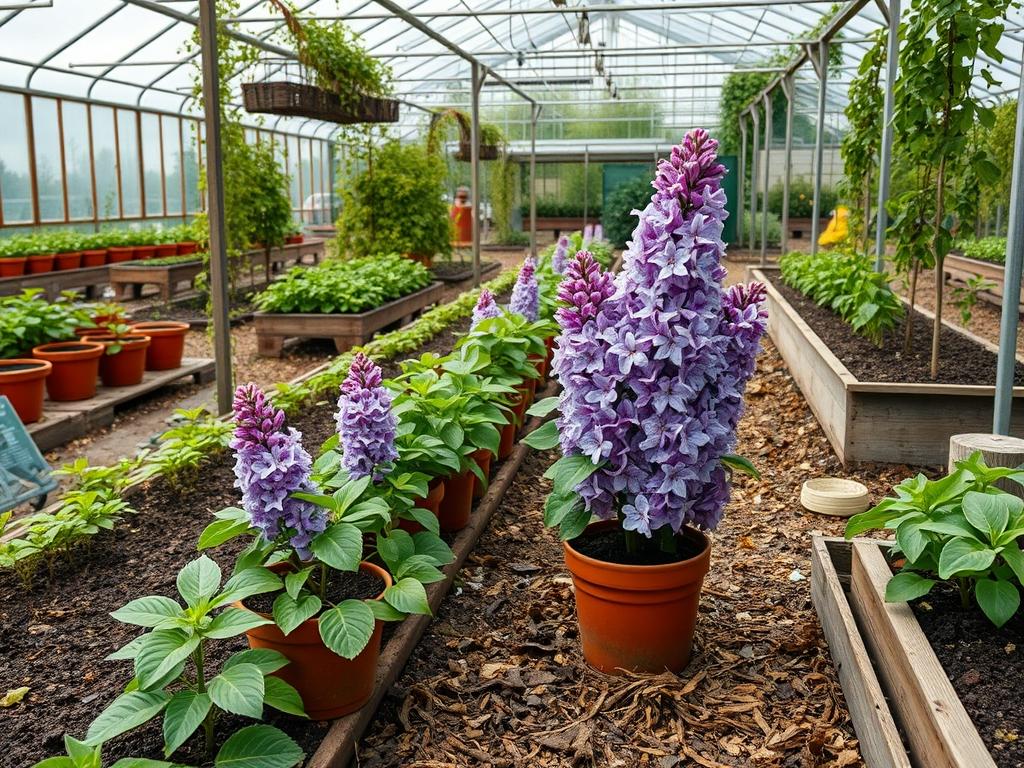
Landscape design is an exercise in both aesthetics and rigorous biological management. When a homeowner or developer requests a classic spring garden, the conversation inevitably turns to the lilac. The fragrance of a blooming hedge defines the transition from spring to summer, yet many installations fail because the site chemistry was ignored during the planning phase. Achieving the best soil for lilacs is not merely about adding generic compost. It requires a fundamental understanding of pH balance, as these woody shrubs flourish in environments that would stress acid-loving species like azaleas. A successful lilac installation increases curb appeal and defines the structural layout of a property for decades. To ensure longevity, the landscape architect must treat the soil as the literal foundation of the architectural plan.
Site selection for these shrubs involves more than just finding a sunny corner. We must consider the microclimates created by the building’s thermal mass and the existing drainage patterns of the lot. Lilacs, particularly the Syringa vulgaris varieties, are sensitive to high acidity. In many regions, the natural soil profile leans toward the acidic side due to high rainfall or decaying organic matter from coniferous trees. This creates a conflict for the lilac root system. When the pH drops below 6.0, the plant loses its ability to uptake essential nutrients, leading to stunted growth and sparse flowering. Therefore, every professional plan begins with a comprehensive soil test to determine the baseline alkalinity.
Landscape Design Principles
Symmetry and focal points are the hallmarks of a well executed garden. When integrating lilacs into a master plan, they often serve as mid-level elevation layers. They provide a transition between tall canopy trees and low flowering perennials. A common design strategy involves using lilacs as a living privacy screen. Unlike hardscaping such as fencing or retaining walls, a row of lilacs offers a soft, permeable boundary that filters wind and provides a visual break without feeling sterile. In traditional landscape architecture, we use these shrubs to anchor the corners of a property, drawing the eye toward the center of the lawn.
Visual balance is achieved by pairing the coarse texture of lilac leaves with finer foliage. Irrigation planning should also be a primary concern during the design phase. While lilacs are relatively drought-tolerant once established, their placement must account for the proximity of other plants. You cannot place a lilac, which requires a neutral to alkaline soil, in the same irrigation zone as blueberries or rhododendrons. This zoning is critical for maintaining the specific mineral balance each species needs. Walkways should be positioned at least 5 feet away from the center of the planting hole to prevent future root heave or damage to the paving materials as the shrub matures.
Plant and Material Selection
The following table outlines the specific requirements for various lilac cultivars and the materials necessary for their success.
| Plant Type | Sun Exposure | Soil Needs | Water Demand | Growth Speed | Maintenance Level |
| :— | :— | :— | :— | :— | :— |
| Common Lilac | Full Sun | Neutral/Alkaline | Moderate | Moderate | Moderate |
| Miss Kim Lilac | Full Sun | Well-Drained | Low | Slow | Low |
| Bloomerang Lilac | Full Sun | Rich/Alkaline | Moderate | Fast | Medium |
| Japanese Tree Lilac | Full Sun | Versatile | Moderate | Fast | Low |
| Dwarf Korean Lilac | Full Sun | High pH | Low | Slow | Low |
To achieve the best soil for lilacs, specific materials must be on hand. These include Pelletized Lime for raising pH, Coarse Sand for drainage, and Well-Rotted Manure for organic structure. Avoid using Peat Moss in large quantities, as it is naturally acidic and can counteract the alkaline environment these plants prefer.
Implementation Strategy
The implementation of a lilac-focused landscape begins with grading. Proper elevation is necessary to ensure that water never pools at the base of the shrub. If the site is flat or retains water, we recommend creating a raised planting bed or a gentle berm. This berm should stand at least 12 inches above the existing grade and be composed of a mix of loam and limestone screenings.
Before digging the first hole, use a Spade or Auger to check the subsoil for compaction. The planting hole should be twice as wide as the root ball but no deeper than the height of the container. Deep planting is a common cause of poor vigor. Once the shrub is placed, backfill with a mixture of native soil and Compost. If your soil test indicated acidity, this is the stage to incorporate Crushed Limestone into the backfill. This ensures that the alkaline agents are distributed throughout the root zone rather than just sitting on the surface.
Edging provides the professional finish that separates the garden bed from the turf. We suggest using a Steel Edger or a Power Edger to create a deep, clean V-trench. This prevents grass roots from encroaching on the lilac’s nutrient-rich environment. Once the planting is complete, apply a 2-inch layer of Hardwood Mulch. Be careful to keep the mulch away from the main stems of the plant to prevent rot and rodent damage. Finally, install a dedicated Drip Irrigation line to ensure water reaches the roots directly without wetting the foliage, which helps prevent powdery mildew.
Common Landscaping Failures
The most frequent mistake in lilac management is ignoring the drainage requirements. Lilacs hate “wet feet.” If the soil remains saturated for more than 24 hours, the root hairs begin to die, leading to the eventual collapse of the plant. Another failure involves root overcrowding. Because lilacs are often sold as small nursery specimens, gardeners tend to plant them too close to buildings or each other. A mature Common Lilac can reach a width of 10 to 12 feet. Improper spacing restricts airflow, which is the primary cause of fungal infections in the landscape.
Soil compaction is another silent killer. During construction or heavy gardening, the weight of machinery or even constant foot traffic can squeeze the pore space out of the soil. This prevents oxygen from reaching the roots. If the best soil for lilacs becomes compacted, no amount of lime or fertilizer will fix the growth issues. Lastly, irrigation inefficiencies often result from using overhead sprinklers. Watering the leaves rather than the soil creates a humid environment that invites pests and disease, undermining the health of the entire garden layout.
Seasonal Maintenance
Spring maintenance is focused on health and bloom production. This is the time to apply a balanced fertilizer, specifically one that does not acidify the soil. Once the flowers fade, immediate deadheading provides a cleaner look and helps the plant redirect energy toward next year’s buds. During the summer, monitoring for moisture levels is key. If the leaves begin to wilt slightly in the afternoon heat, the Drip System may need a longer run time. This is also the season to inspect for signs of scale or borers.
Autumn is the ideal window for structural pruning. Use bypass pruners or loppers to remove the oldest third of the stems. This “renewal pruning” ensures that the shrub remains productive and does not become overly leggy at the base. It is also the perfect time to re-test the soil pH and apply a maintenance dose of lime if necessary. Winter care is largely passive, though in areas with heavy snow, many architects suggest tying the branches of young lilacs with Twine to prevent breakage from heavy loads. Each season requires a different touch to maintain the architectural integrity of the landscape.
Professional Landscaping FAQ
How do I make my soil more alkaline for lilacs?
The most effective method is the application of Pelletized Lime or Dolomitic Limestone. Apply these materials based on a soil test result. Incorporating Wood Ash in small amounts can also raise the pH level naturally without using synthetic chemicals.
Why are the leaves on my lilac turning white?
This is typically powdery mildew, a fungal issue caused by poor airflow or overhead watering. To prevent this, ensure proper spacing between shrubs and use Drip Irrigation. Treat existing infections with an organic fungicide if the infestation is severe.
When is the best time to prune a lilac hedge?
Pruning should occur immediately after the flowers have finished blooming. This allows the plant to grow new wood during the summer, which will then set the buds for the following year. Late winter pruning will remove the current season’s flower buds.
Can I grow lilacs in heavy clay soil?
Lilacs struggle in heavy clay due to poor drainage. To succeed, amend the site with Expanding Shale or Coarse Aggregate to improve aeration. Planting on a raised berm is the most reliable way to manage lilacs in clay environments.
How much sun do lilacs actually need?
For maximum bloom production, lilacs require at least 6 to 8 hours of direct sunlight daily. While they can survive in partial shade, the growth will be leggy, and the fragrance will be significantly diminished compared to full sun installations.