
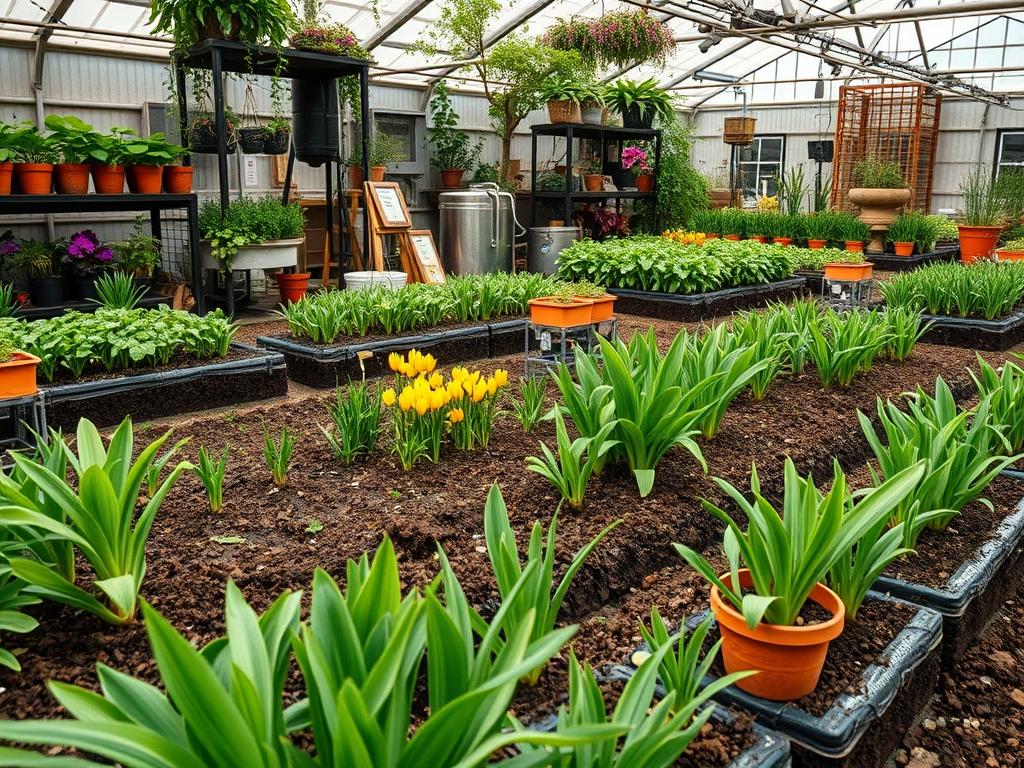
The transition from autumn to winter often leaves a void in the visual narrative of a professional landscape. While the outdoor environment enters a necessary period of dormancy, the sophisticated consultant looks toward the interior environment to maintain horticultural momentum. Finding the best soil for bulb forcing is not merely a matter of selecting a generic growing medium; it is a technical decision that impacts the structural integrity and blooming success of the plant. A well-planned indoor forcing program serves as a bridge between seasons, ensuring that the vibrancy of the exterior gardens is reflected within the architectural confines of the home. This practice relies heavily on understanding the subterranean requirements of the bulb, which acts as a self-contained energy reservoir requiring specific atmospheric and moisture conditions to thrive.
In the context of high-end landscape design, indoor forcing is an extension of the outdoor sensory experience. The choice of medium affects everything from the rate of stem elongation to the intensity of the floral fragrance. To achieve a professional-grade result, one must consider the physical properties of the substrate. The best soil for bulb forcing must provide a delicate balance between water retention and aeration. Traditional garden soil is typically too heavy for this purpose, as it lacks the porosity required for containerized growth and may harbor pathogens that can lead to bulb rot. Instead, successful forcing requires a specialized horticultural mix that prioritizes drainage and structural stability.
Landscape Design Principles for Indoor Displays
When integrating forced bulbs into a larger interior landscape, the professional must apply the same core principles used in outdoor site planning. Symmetry and focal points are essential for creating a curated look. For instance, a linear arrangement of Hyacinths in a stone trough can mimic the clean lines of a contemporary walkway or a formal parterre garden. Using verticality as a design tool is equally important. Bulbs like Amaryllis provide a strong vertical element that can serve as a focal point on a mantle or a grand dining table, mirroring the function of an ornamental tree in a small courtyard.
Elevation layers constitute another critical design element. By varying the height of the containers and the maturity of the bulbs, you can create a tiered effect that adds depth to the indoor environment. This approach prevents the display from looking flat and uninspired. Irrigation planning, while different indoors than in an outdoor bed, must still be a primary consideration. The placement of forced bulbs should account for proximity to water sources and protection surfaces to prevent moisture damage to fine cabinetry or flooring. Visual balance is achieved by pairing the coarse texture of the bulbs and their containers with the fine foliage of ferns or mosses, creating a miniature ecosystem that feels intentionally designed rather than haphazardly placed.
Plant and Material Selection
Selecting the right biological and physical components is the cornerstone of a successful project. The best soil for bulb forcing usually consists of a blend of organic and inorganic materials. Common components include Peat Moss for moisture retention, Perlite or Vermiculite for aeration, and sometimes Coarse Sand to add weight and stability.
| Plant Type | Sun Exposure | Soil Needs | Water Demand | Growth Speed | Maintenance Level |
| :— | :— | :— | :— | :— | :— |
| Amaryllis | Bright Indirect | Well-draining, Sandy | Moderate | Fast | Low |
| Paperwhite Narcissus| Full Sun/Partial | Gritty, Inorganic | High | Very Fast | Minimal |
| Hyacinthus orientalis| Indirect Light | Loamy, Porous | Moderate | Medium | Moderate |
| Crocus vernus | Bright Light | Gritty, Lean | Low | Medium | High |
| Tulipa (Forced) | Bright Indirect | Rich, Well-draining | Moderate | Slow | High |
| Muscari | Full Sun | Sandy, Light | Moderate | Medium | Low |
Implementation Strategy
The process of forcing bulbs begins with meticulous site preparation, much like grading a backyard for a new lawn. Start by selecting containers that offer adequate depth for root expansion, typically between 6 and 8 inches for larger bulbs. If the container does not have drainage holes, a layer of Lava Rock or Peat Pebbles should be placed at the bottom to act as a reservoir, though professional consultants generally prefer pots with active drainage to prevent stagnant water.
Once the container is selected, fill it with the best soil for bulb forcing, leaving enough room to place the bulbs. For Tulips and Daffodils, the bulbs should be planted with their tips just below the surface; however, for Amaryllis, at least one-third of the bulb should remain exposed above the soil line. This structural placement prevents moisture from collecting at the neck of the bulb, which is a common cause of fungal issues. After planting, the soil should be tamped down firmly to eliminate large air pockets, ensuring the roots have immediate contact with the medium.
The next phase involves chilling, which mimics the outdoor winter cycle. Most hardy bulbs require a period of 12 to 16 weeks at temperatures between 35 and 45 degrees Fahrenheit. During this time, the bulbs must be kept in a dark, cool environment such as a cellar or a dedicated horticultural refrigerator. Monitoring moisture during this phase is critical; the soil should be damp but never saturated. Once the chilling period is complete and shoots begin to emerge, the containers can be moved to a warmer, brighter location to trigger the blooming cycle.
Common Landscaping Failures
Failure in bulb forcing often stems from a misunderstanding of drainage and soil compaction. Utilizing standard topsoil or recycled potting mix is a frequent mistake. These materials often lack the necessary pore space for root respiration. When oxygen is excluded from the root zone, the bulb begins to ferment and decay, a process that is often irreversible. Soil compaction further exacerbates this issue by creating a physical barrier that prevents delicate roots from penetrating the medium.
Another common failure is improper spacing. While it is tempting to crowd bulbs for a fuller look, over-saturation of the container can lead to a lack of air circulation. This creates a microclimate conducive to mold and mildew. From a landscape design perspective, overcrowding also compromises the individual beauty of each bloom, leading to a cluttered appearance rather than a curated display. Finally, irrigation inefficiencies, such as watering the crown of the bulb instead of the soil, can lead to rot and the premature death of the flower.
Seasonal Maintenance
Managing an indoor landscape requires a seasonal mind-set that correlates with the outdoor calendar. During the spring, focus on transitioning the forced bulbs out of their containers. For many species, such as Daffodils and Hyacinths, the bulbs can be transplanted into the outdoor garden once the foliage has yellowed and the threat of frost has passed. This allows the plants to recharge for future seasons.
Summer maintenance involves cleaning and storing the containers used for forcing. It is vital to disinfect all pots with a mild bleach solution to prevent the carryover of pathogens. In the autumn, the focus shifts back to selection and procurement. This is the time to source high-quality bulbs from reputable wholesalers and prepare the best soil for bulb forcing in anticipation of the winter cycle. Winter is the active management phase, where temperature, light, and humidity are closely monitored to ensure the forced displays remain at their peak.
Professional Landscaping FAQ
What is the best soil for bulb forcing in clear glass?
For glass containers without drainage, an inorganic medium like River Rock or Glass Marbles is ideal. The water level should stay just below the base of the bulb to encourage root growth without causing the bulb itself to rot.
How do I prevent forced bulbs from becoming leggy?
Legginess is usually caused by insufficient light or excessive heat. Once the shoots are 2 inches tall, provide bright, indirect light and keep the ambient temperature around 60 to 65 degrees Fahrenheit to promote sturdy, compact growth.
Can I reuse the soil from my forced bulbs?
It is not recommended. The forcing process exhausts the nutrients in the soil and may leave behind pathogens. Always use fresh, sterile potting medium for each new forcing cycle to ensure the health of the plant and the quality of the bloom.
Which bulbs are the easiest to force for beginners?
Paperwhite Narcissus and Amaryllis are the most accessible. They do not require a cold treatment period, allowing them to be planted and grown immediately. Both species respond well to a variety of well-draining potting mixes or even simple gravel.
Why did my bulbs fail to bloom after chilling?
The most likely cause is an inconsistent temperature during the dormant phase or a chilling period that was too short. If the bulbs were stored near ripening fruit like apples, the ethylene gas produced could also have destroyed the flower bud inside the bulb.