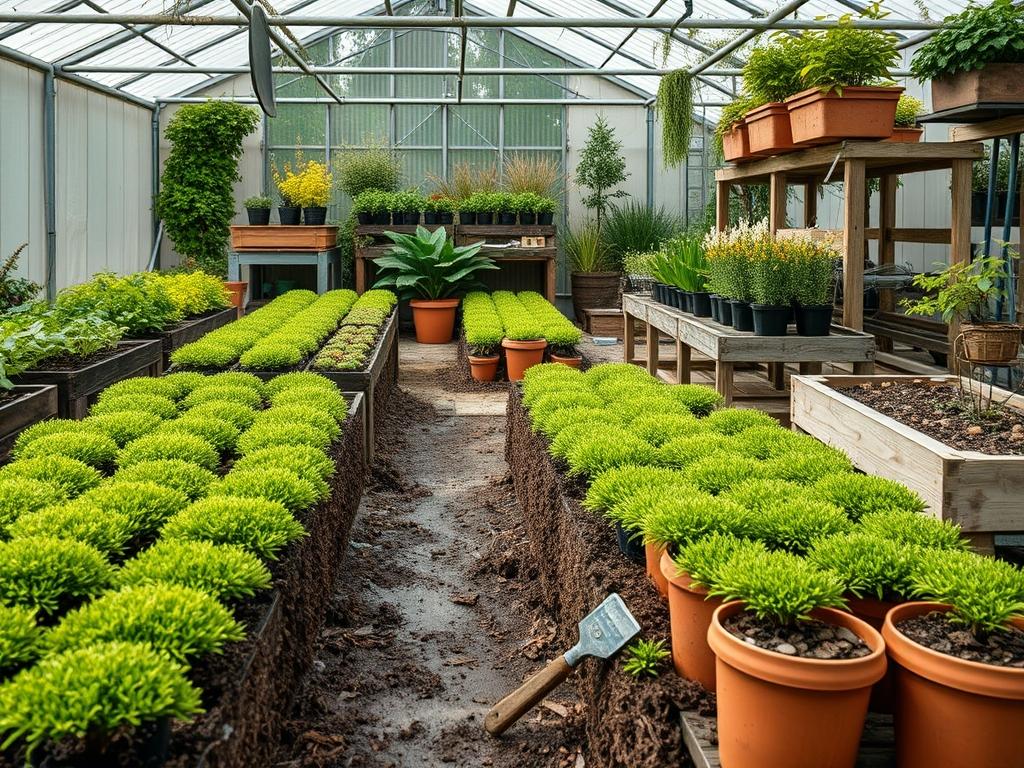
The transition from expansive garden beds to controlled container environments represents a significant shift in horticultural management. In professional landscape architecture, the primary challenge involves maintaining consistent moisture levels while ensuring adequate aeration for root systems within the confined boundaries of a pot. Traditional topsoil often fails in these environments due to its tendency to compact, leading to poor drainage and root rot. By understanding the diverse sphagnum moss soil uses throughout a residential or commercial property, designers can achieve higher curb appeal and improved plant longevity. Integrating this material into your outdoor environment allows for greater flexibility in plant selection, particularly for species that demand specific microclimates or enhanced moisture retention. This architectural approach to potting ensures that containers serve as functional focal points rather than maintenance liabilities.
Environmental considerations such as solar exposure and wind tunnels significantly impact how containers behave in a landscape. In high heat zones, the evaporation rate from porous clay or terracotta pots can stress even the hardiest species. Long-fiber sphagnum moss serves as a vital component in these scenarios, acting as a biological sponge that holds up to 20 times its weight in water. This efficiency reduces the frequency of manual irrigation and supports a more sustainable landscape design. Whether the goal is to soften a brutalist concrete patio or create a lush entryway with vibrant ferns, the substrate choice dictates the success of the installation. Professional consultancy focuses on the chemical and physical properties of the growing medium to ensure that the aesthetic vision remains vibrant throughout the growing season.
Landscape Design Principles
Executing a high end container garden requires an adherence to core design principles that mirror large scale landscape planning. Symmetry remains a cornerstone of formal entryways; using matched pairs of large planters with consistent soil mixtures ensures that both specimens grow at the same rate, maintaining visual equilibrium. If one pot contains a heavy peat mix while the other uses a high proportion of sphagnum moss, the resulting growth patterns will likely diverge, ruining the intended balance. Focal points should be strategically placed at the end of sightlines or walkways to draw the eye through the space. In these areas, using sphagnum moss as a decorative and functional top dressing can provide a lush, green appearance that bridges the gap between the plant and its vessel.
Elevation layers are equally critical in container logic. By utilizing varied pot heights, a landscape architect can create a vertical tapestry that mimics natural forest floors. Lower layers might feature moisture loving mosses and groundcovers, while the upper tiers house taller architectural plants. Irrigation planning must also be integrated into the design phase. For pots located far from a water source, a high concentration of sphagnum moss in the soil mix provides a safety net against drought. This allows for more creative placement of greenery in areas where traditional irrigation lines are difficult to install. Walkways should be kept clear of drainage runoff; therefore, the moisture retaining properties of moss help prevent excess water from spilling onto hardscaped surfaces, reducing slip hazards and staining.
Plant and Material Selection
| Plant Type | Sun Exposure | Soil Needs | Water Demand | Growth Speed | Maintenance Level |
| :— | :— | :— | :— | :— | :— |
| Phalaenopsis Orchid | Indirect Light | Sphagnum/Bark Mix | High Humidity | Moderate | Medium |
| Sarracenia | Full Sun | Pure Sphagnum | Very High | Fast | Low |
| Adiantum Fern | Partial Shade | Moss/Loam Blend | Constant | Moderate | High |
| Anthurium | Dappled Light | Course Sphagnum | Consistent | Slow | Medium |
| Begonia Rex | Shade | Peat/Sphagnum | Moderate | Fast | Medium |
Implementation Strategy
A successful implementation begins with proper grading and preparation of the container site. Even in a backyard setting, containers should sit on a level surface to prevent uneven water distribution within the root ball. For large scale installations, begin by placing a layer of landscape fabric or coarse gravel at the bottom of the pot to prevent the drainage holes from clogging. When preparing the specific mix, soak the long-fiber sphagnum moss in a bucket of water for at least 20 minutes before use. This pre-hydration ensures the moss does not pull moisture away from the plant roots immediately after potting.
When layering the materials, aim for a balanced distribution. For most tropical species, a ratio of one part moss to two parts perlite or bark creates an ideal environment. Use a hand trowel to firmly but gently pack the medium around the root system, avoiding large air pockets that can lead to root desiccation. Edging the top of the pot with a final layer of moss acts as a natural mulch, maintaining a depth of approximately 2 inches to suppress weed growth and regulate soil temperature. If the container is part of a larger hardscaped area, ensure that the pot is elevated slightly on pot feet to allow air circulation underneath, which prevents the buildup of mold and protects the structural integrity of the patio or deck.
Common Landscaping Failures
The most frequent failure in container gardening is the creation of a perched water table. This occurs when a fine-textured soil is placed directly over a coarse drainage layer without a transition zone, causing water to pool at the bottom of the pot rather than draining out. Using sphagnum moss helps alleviate this by providing a capillary bridge that allows water to move more freely through the column. Another common mistake is root overcrowding. When plants are placed in containers that are too small, they quickly deplete the available nutrients and moisture. A high quality moss mix provides more pore space for roots to expand, but it cannot replace the need for an appropriately sized vessel.
Soil compaction is a hidden killer in landscape design. Over time, the weight of water and the natural breakdown of organic matter compress the soil, squeezing out oxygen. Professional architects combat this by incorporating chunky sphagnum or pumice to maintain structural integrity. Furthermore, irrigation inefficiencies often stem from “channeling,” where dry soil pulls away from the edges of the pot, allowing water to run straight down the sides without soaking the root ball. Pre-mixing moss into the soil ensures that the medium remains hydroscopic, meaning it will readily accept water even after it has dried out completely.
Seasonal Maintenance
Spring is the primary season for rejuvenation in the landscape. This is the time to inspect containers for salt buildup and to refresh the top layers of sphagnum moss. If the moss has turned gray or brittle, it should be replaced with fresh material to restore its wicking properties. As temperatures rise in the summer, monitoring evapotranspiration rates becomes essential. Containers may require daily checks; however, those utilizing moss will show a distinct color change from dark brown to light tan when moisture levels are low, serving as a visual indicator for maintenance crews.
In autumn, the focus shifts to debris removal. Fallen leaves should be cleared from the surface of the pots to prevent fungal growth and pests. This is also the time to transition sensitive species to sheltered areas. For hardy outdoor perennials in pots, a thick layer of dry sphagnum can be applied as an insulating blanket to protect the crown of the plant from freeze-thaw cycles. During winter, irrigation should be drastically reduced as plant metabolism slows. Nevertheless, the soil should never be allowed to go bone-dry; a light misting of the moss layer once a month is usually sufficient to maintain the necessary dormant moisture levels.
Professional Landscaping FAQ
How often should I replace sphagnum moss in my pots?
For optimal performance, replace the top decorative layer annually. If the moss is integrated into the soil mix, it typically maintains its structural integrity for two to three years before it begins to break down and require a complete repotting.
Can sphagnum moss prevent overwatering in decorative planters?
While it excels at moisture retention, it also creates vital air pockets. This aeration prevents the soil from becoming anaerobic, which is the primary cause of root rot. It acts as a buffer, balancing both water and oxygen levels.
Is sphagnum moss the same as peat moss for landscaping?
No, they are different products. Sphagnum moss consists of the long, fibrous strands of the living plant, whereas peat moss is the decayed matter found at the bottom of bogs. Sphagnum is better for aeration and specialized container uses.
Will using moss in pots attract pests to my patio?
High quality, sterilized moss is generally pest-free. However, if the moss is kept excessively wet without proper airflow, it can attract fungus gnats. Maintaining a proper balance of moisture and using well-draining pots will mitigate this risk effectively.
Does sphagnum moss affect the pH of container soil?
Sphagnum moss is naturally acidic, usually ranging between 3.5 and 4.5 pH. This makes it ideal for acid-loving plants like azaleas or ferns. For alkaline-loving species, you may need to add a small amount of dolomitic lime.