
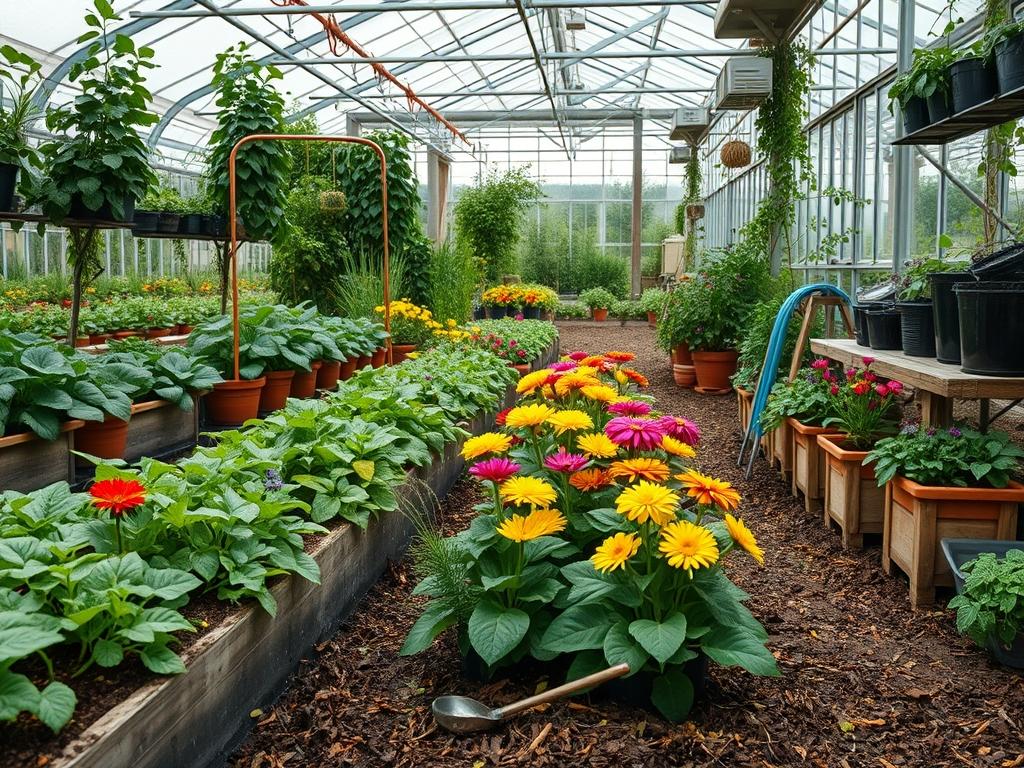
Integrating garden mums into a professional landscape design requires more than just a quick trip to the local nursery; it demands a deep understanding of soil physics and site architecture. As the vibrant hues of summer perennials begin to wane, Chrysanthemums offer a strategic opportunity to maintain peak curb appeal and transition the outdoor environment into the cooler months. For a landscape architect, these plants are not merely seasonal fillers. They are living architectural elements used to define walkways, soften the edges of retaining walls, and create focal points that catch the late afternoon autumn sun. The challenge lies in the fact that many residential soils are heavily compacted from construction or lack the necessary drainage to support the aggressive root systems of fall blooming species. Achieving a professional finish requires a site-specific approach to soil preparation, ensuring the ground can facilitate rapid drainage while retaining enough moisture to support heavy flowering.
The success of a fall landscape depends heavily on the interplay between plant health and structural design. When we select the best soil for garden mums, we are essentially engineering a life support system that must function perfectly during a period of high environmental stress. As temperatures fluctuate, the soil must act as a buffer for the roots. This involves careful consideration of the site’s microclimate, existing irrigation patterns, and the slope of the land. In professional landscaping, we look at the entire environment as a singular organism. The soil is the foundation of that organism. Without high-quality, well-aerated soil, even the most expensive specimens will appear stunted or suffer from premature petal drop. By prioritizing the subterranean environment, we ensure that the aesthetic goals of the project are met and sustained throughout the season.
Landscape Design Principles
In the realm of high-end landscape design, the placement of garden mums follows the same rigorous principles as permanent structural plantings. Symmetry is often used at entryways, where identical terracotta planters or built-in stone tiers house large, mounded mums to create a formal, welcoming atmosphere. These serves as visual anchors that draw the eye toward the primary architecture of the home. Conversely, in more naturalistic backyard designs, we utilize elevation layers to create depth. By planting mums in sweeping drifts behind lower-growing groundcovers and in front of structural shrubs like Boxwood or Privet, we create a tiered effect that mimics the complexity of a natural meadow.
Visual balance is further achieved through the careful selection of color palettes that complement the existing hardscaping. If a home features warm-toned brick or natural limestone, we might opt for deep bronzes, oranges, and golden yellows to enhance the organic warmth of the stone. Irrigation planning is another critical design principle. Because mums require consistent moisture to maintain their blooms, we often integrate discrete drip irrigation lines beneath a layer of hardwood mulch. This ensures that the plants receive precise hydration without the risk of fungal diseases associated with overhead watering. Furthermore, the design must account for walkways and traffic flow. Mums should be placed far enough back from the edge of a path so that their mature width—often reaching 18 to 24 inches—does not obstruct pedestrian movement or require excessive pruning.
Plant and Material Selection
| Plant Type | Sun Exposure | Soil Needs | Water Demand | Growth Speed | Maintenance Level |
| :— | :— | :— | :— | :— | :— |
| Garden Mums | Full Sun | Well-drained, Organic | High (Consistent) | Fast | Moderate |
| Ornamental Kale | Full Sun/Part Shade | Loamy, pH 6.0-7.5 | Moderate | Medium | Low |
| Heuchera | Part Shade | Rich, Porous Soil | Low to Moderate | Slow | Low |
| Pansies | Full Sun/Part Shade | Humus-rich soil | Moderate | Medium | Low |
| Sweet Alyssum | Full Sun | Sandy Loam | Low | Fast | Low |
Implementation Strategy
Implementing a professional-grade fall garden starts with a comprehensive site analysis and grading plan. Before the first plant is placed, we must ensure the grade slopes away from the home at a minimum of 2 percent to prevent water from pooling near the foundation or in the planting beds. Once the grading is verified, we begin the soil amendment process. The best soil for garden mums is typically a mixture of two parts existing topsoil, one part aged compost, and one part perlite or coarse sand to facilitate drainage. Using a power tiller, work these amendments into the top 8 to 12 inches of the soil to create a fluffy, well-oxygenated root zone.
When laying out the garden, use marking paint to outline the beds, ensuring smooth, flowing curves that complement the natural contours of the landscape. Edging is a vital step; we recommend using heavy-duty steel edging or a deeply cut spade edge to create a crisp transition between the turf and the garden bed. This prevents grass from encroaching on the mums and provides a professional, finished look. When planting, the hole should be twice as wide as the root ball but no deeper. Mums are highly susceptible to crown rot if planted too deep, so the top of the root ball should sit slightly above the surrounding soil level. Finish the installation with a 2 or 3-inch layer of double-shredded cypress mulch. This mulch depth is sufficient to suppress weeds and retain moisture without smothering the base of the plants.
Common Landscaping Failures
The most frequent failure in fall landscaping is improper drainage. Because mums are often sold in peat-heavy greenhouse mixes, they can become waterlogged if the surrounding garden soil is heavy clay. This mismatch in soil texture creates a “bathtub effect,” where water collects in the planting hole and rots the roots. Another common mistake is root overcrowding. Many homeowners plant mums too close together to achieve an immediate “full” look. However, lack of airflow between plants leads to powdery mildew and other foliar diseases. A spacing of at least 12 to 18 inches is necessary to allow the plants to breathe and expand.
Soil compaction is another silent killer. High-foot-traffic areas or heavy machinery used during summer projects can squeeze the air out of the soil. Mums require high porosity to thrive. Without those tiny air pockets, the roots cannot take up oxygen, and the plant will wilt even if the soil is wet. Additionally, irrigation inefficiencies often plague fall gardens. Many people rely on automated lawn sprinklers, which typically do not provide enough water for the dense root systems of blooming mums, or they water in the evening, leaving foliage wet overnight. Finally, failing to test the soil pH can lead to nutrient lockout. Mums prefer a slightly acidic environment, roughly 6.5 to 6.7 pH. If the soil is too alkaline, the plant will struggle to access iron and manganese, leading to yellowing leaves and poor bloom quality.
Seasonal Maintenance
Landscape management is a year-round commitment that changes with the light and temperature. In the spring, the focus should be on soil testing and the application of granular pre-emergent herbicides to keep the beds clear of weeds. As summer approaches, ensure that the irrigation system is calibrated to account for higher evaporation rates. For those who wish to keep their mums as perennials, summer is the time for “pinching.” Take off the top 1 inch of new growth every few weeks until early July. This encourages the plant to grow bushier and produce more flower buds in the fall.
During the autumn months, the primary task is deadheading. Removing spent blooms not only keeps the landscape looking pristine but also directs the plant’s energy toward the remaining buds. Monitor the soil moisture daily; during dry autumn stretches, mums may need water every single day. As winter approaches, the management strategy shifts toward protection. Once the foliage has browned after several hard frosts, do not cut the plants back immediately. The dead stems provide a layer of insulation for the crown. Instead, apply an extra 2 inches of pine straw or leaf mold around the base of the plants to protect them from the freeze-thaw cycles that can heave roots out of the ground.
Professional Landscaping FAQ
What is the ideal soil pH for garden mums?
Garden mums thrive in slightly acidic soil with a pH between 6.5 and 6.7. If your soil is too alkaline, you can lower the pH by incorporating elemental sulfur or peat moss into the bed several weeks before planting.
How much mulch should I use around fall annuals?
Apply a layer of 2 to 3 inches of organic mulch. This depth effectively regulates soil temperature and moisture. Avoid “mulch volcanoes” by keeping the material away from the direct base of the plant to prevent stem rot.
Can I plant garden mums in heavy clay soil?
It is not recommended. Clay soil retains too much water, which leads to root rot. To use mums in clay-heavy areas, you must amend the soil with organic matter and coarse sand or install them in raised garden beds.
Why are my mums wilting despite frequent watering?
This is often caused by poor drainage or compacted soil. When roots sit in standing water, they die and can no longer transport moisture to the leaves. Check the soil porosity and ensure water is not pooling at the base.
How often should I fertilize mums planted in the fall?
If the mums are already in bloom, they require little to no fertilizer. The focus should be on hydration. However, if planting earlier in the season, use a water-soluble high-phosphorus fertilizer every two weeks to promote robust flower development.