
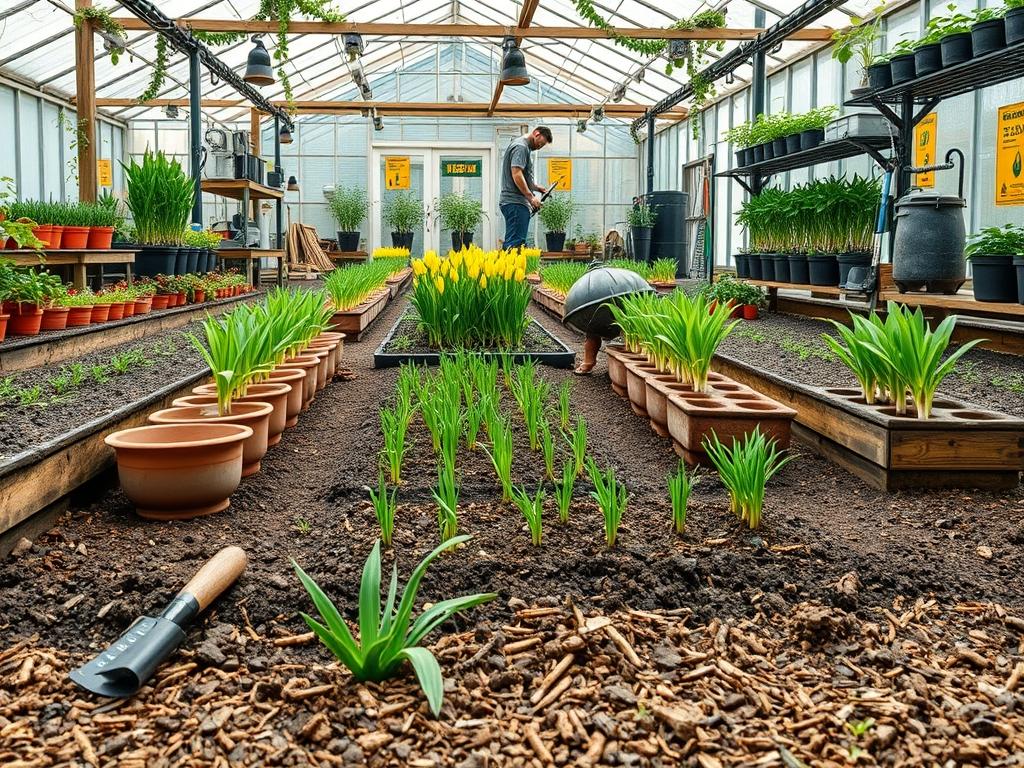
Late autumn serves as the silent architect’s most critical window for ensuring a vibrant, high-impact spring display. While the visible landscape retreats into dormancy, the subsurface environment remains active, preparing for the physiological demands of vernalization. For a landscape architect, spring bulb soil prep is not merely about planting; it is an exercise in engineering the subterranean habitat to support peak aesthetic performance. Proper preparation during this season ensures that dormant bulbs do not succumb to fungal pathogens or desiccation during the winter months. By focusing on soil structure and nutrient density before the first hard freeze, you create a foundation that maximizes curb appeal and enhances the long-term health of the outdoor environment.
Success in spring flowering depends heavily on the transition from the vibrant colors of autumn to the skeletal remains of the winter garden. In most temperate regions, the period between late October and early December offers the optimal soil temperature for root establishment. If the ground is too warm, bulbs may sprout prematurely, wasting energy that should be reserved for spring. If it is too cold, the root systems cannot anchor properly before the ground freezes solid. Strategic soil preparation mitigates these risks, allowing for a seamless transition between seasons while maintaining the functional integrity of the garden beds.
Landscape Design Principles
Integrating spring bulbs into a professional landscape requires a deep understanding of visual balance and elevation layers. We often view bulbs as temporary accents, but they should be treated as structural elements that define the early-season focal points of a property. Symmetry plays a vital role here; using Daffodils or Tulips to flank a primary entrance or a Natural Stone Walkway creates a sense of intentionality and direction. These plantings should lead the eye toward architectural features, such as Retaining Walls or custom gate entries, ensuring the property feels curated even before the rest of the greenery emerges.
Elevation layering is another essential principle. Smaller species like Crocus or Galanthus should be placed in the foreground, tucked near the edges of paths where their intricate details can be appreciated at close range. Taller species, such as Alliums or high-neck Tulips, serve as mid-ground or background elements. When planning these layers, consider the sightlines from within the home as well. A well-placed cluster of bulbs can turn a window into a living framed portrait. Furthermore, irrigation planning must be integrated at the design stage. While bulbs require moisture to establish roots in autumn, they need exceptional drainage during their winter slumber to prevent rot. Raised beds or slight mounding can provide the necessary elevation to keep the bulb base away from standing water.
Plant and Material Selection
| Plant Type | Sun Exposure | Soil Needs | Water Demand | Growth Speed | Maintenance Level |
| :— | :— | :— | :— | :— | :— |
| Tulips | Full Sun | Well-draining, Sandy Loam | Moderate | Fast (Spring) | High (Annual) |
| Daffodils | Full/Partial Sun | Loamy, Acidic to Neutral | Moderate | Medium | Low (Naturalizing) |
| Hyacinths | Full Sun | Rich, Gritty Soil | Moderate | Medium | Medium |
| Alliums | Full Sun | Average to Rich Soil | Low | Fast | Low |
| Crocus | Full/Partial Sun | Gritty, Very Well-drained | Low | Very Fast | Low |
| Bone Meal | N/A | Amendment | N/A | Slow Release | Low |
Implementation Strategy
The process begins with a thorough assessment of the site’s grading and existing soil composition. Spring bulb soil prep is most effective when the soil is worked to a depth of at least 12 inches. Use a Garden Fork to loosen the earth, breaking up any heavy clay clods that might impede root growth. If the area is prone to water retention, incorporate Coarse Sand or Perlite to improve the internal drainage. This is also the ideal time to add organic matter. Incorporating 3 inches of well-rotted Compost or Leaf Mold into the top 8 inches of soil provides the slow-release nutrients necessary for spring vigor.
When digging the actual planting holes or trenches, the general rule of thumb is to plant the bulb at a depth three times its height. For a standard Tulip or Daffodil, this usually means a depth of 6 inches to 8 inches. For large-scale professional installations, trench planting is far more efficient than individual holes. Excavate the entire area to the desired depth, distribute the bulbs in natural-looking drifts, and backfill the soil. During this process, add a high-phosphorus amendment like Bone Meal or a specialized bulb fertilizer directly into the bottom of the trench. This ensures the phosphorus, which is immobile in the soil, is exactly where the roots will be.
Once the bulbs are set and the soil is backfilled, apply a 2-inch to 3-inch layer of Hardwood Mulch or Pine Bark. This mulch layer serves multiple purposes: it regulates soil temperature, prevents the “heaving” of bulbs caused by freeze-thaw cycles, and suppresses early spring weed growth. If the autumn is particularly dry, provide a deep watering session immediately after planting. This settles the soil around the bulbs, eliminating air pockets that could cause the bulbs to dry out or become targets for subterranean pests.
Common Landscaping Failures
One of the most frequent mistakes in bulb management is neglecting drainage. Bulbs are essentially storage organs, and like an onion, they will liquefy if left in saturated, anaerobic conditions. If the site has heavy clay, simply digging a hole and dropping a bulb in creates a “sump” effect where water collects. Without adding grit or raising the bed elevation, the mortality rate of the bulbs will be high. Another common failure is improper spacing. Planting bulbs too close together leads to nutrient competition and a cluttered, messy appearance once they bloom. For a professional, high-density look that still allows for air circulation, space large bulbs 4 inches to 6 inches apart and smaller bulbs 2 inches to 3 inches apart.
Soil compaction is another silent killer. In many new construction projects, the soil is heavily compacted by machinery. If a Spade cannot easily penetrate the ground, the bulb roots certainly cannot. Failure to decompact the soil leads to stunted growth and poor flowering. Additionally, many gardeners plant too early in the autumn. If bulbs are installed while the soil is still radiating summer heat, they may begin to grow foliage that will be destroyed by the first frost, significantly weakening the bulb’s energy reserves for the following season.
Seasonal Maintenance
Landscape management is a year-round commitment. In the spring, once the first shoots appear, a light application of a balanced fertilizer can provide a boost. As flowers fade, it is vital to “deadhead” the spent blooms to prevent the plant from wasting energy on seed production. However, the foliage must be left intact until it turns yellow and brittle; this is when the bulb is photosynthesizing to recharge for the next year.
During the summer, most spring bulbs prefer to be dry. Irrigation zones should be adjusted to ensure these dormant areas are not overwatered while tending to summer perennials. In autumn, the cycle begins again. This is the time to clear away dead foliage, top-dress the area with fresh Compost, and assess whether any clumps of Daffodils or Crocus have become too crowded. Every three to four years, these naturalizing species should be lifted and divided to maintain their vigor. In winter, maintenance is minimal, but check the Mulch levels after heavy storms to ensure the soil remains insulated against extreme temperature fluctuations.
Professional Landscaping FAQ
What is the best time for spring bulb soil prep?
Late autumn is ideal, specifically when soil temperatures drop below 60 degrees Fahrenheit. This allows bulbs to establish roots without triggering premature foliage growth. Preparing the soil before the ground freezes ensures proper nutrient integration and drainage for the winter months.
Should I add fertilizer during autumn planting?
Yes, adding a phosphorus-rich amendment like Bone Meal or a specific bulb starter into the planting hole is beneficial. Since phosphorus moves slowly through soil, placing it at the root level during autumn prep ensures it is available for spring development.
How do I prevent squirrels from digging up new bulbs?
Covering the planting area with Hardware Cloth or a thin layer of Crushed Stone can deter pests. Additionally, planting bulbs that are unpalatable to wildlife, such as Daffodils or Alliums, reduces the risk of the landscape being disturbed by foragers.
Can I plant bulbs in heavy clay soil?
You can, but significant amendment is required. Incorporate Coarse Sand, Gypsum, or organic Compost to a depth of 12 inches. This improves the porosity of the clay, preventing the waterlogged conditions that lead to bulb rot and fungal issues.
How deep should I apply mulch over the bulbs?
A layer of 2 inches to 3 inches of organic mulch is sufficient. This provides thermal insulation to protect the bulbs from extreme cold while retaining enough moisture for root growth. Avoid piling mulch too deeply, as it can harbor moisture-seeking pests.