
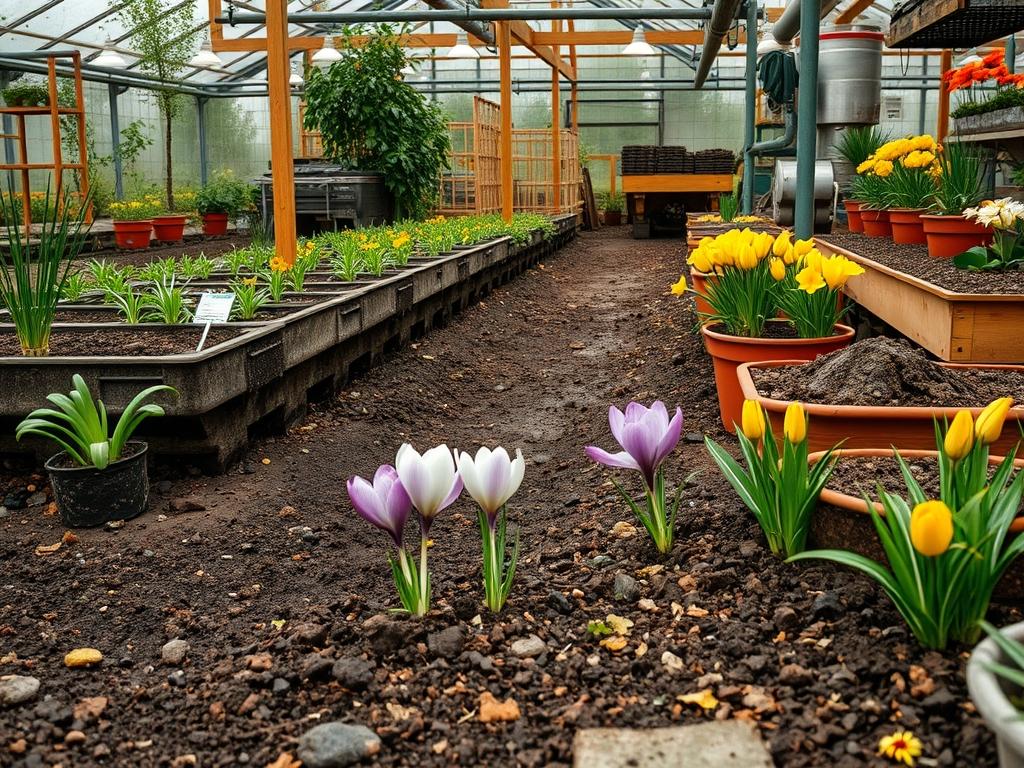
The successful integration of early spring bulbs into a permanent landscape requires more than a simple hole in the turf. From a professional landscape architect’s perspective, the transition between the dormant winter months and the first flush of spring color is a critical window for curb appeal and structural visibility. Many homeowners find that their initial investments in spring ephemerals fail after only two seasons because the underlying substrate lacks the necessary porosity. When we discuss how Crocus Soil Needs dictate the long term viability of a garden, we are actually discussing the marriage of aesthetic texture and hydraulic efficiency. In a high end residential landscape, the crocus serves as a botanical bridge. It provides the first sign of life when the rest of the garden is still gripped by frost, but this performance is entirely dependent on the physical composition of the site’s topography.
Designing for these miniature specimens involves balancing visual impact with site functionality. Because crocuses are low to the ground, they are easily swallowed by heavy mulches or hidden by the skeletal remains of large perennials. A rock garden provides the ideal solution by elevating the “planting pocket” while offering a coarse, gritty texture that complements the delicate petals of the flower. This elevation serves a dual purpose. It brings the color closer to the viewer’s eye level while simultaneously ensuring that water moves rapidly away from the bulb’s basal plate. In urban environments where soil compaction is frequent, creating a specialized rock garden zone is often the only way to guarantee that these bulbs do not succumb to fungal pathogens during the wet autumn months.
Landscape Design Principles
Effective rock garden design begins with the concept of intentional asymmetry. In nature, stones do not sit atop the soil like forgotten ornaments; they emerge from the earth as part of a larger geological narrative. To achieve a professional focal point, we utilize large anchor boulders buried at least one third of their depth into the grade. This creates a sense of permanence and allows the Crocus Soil Needs to be met within the protected microclimates formed by the stone’s thermal mass. These stones absorb solar radiation during the day and radiate heat back into the soil at night, often triggering an earlier bloom cycle than specimens planted in open turf.
Elevation layers are equally vital for visual balance. By mounding the earth to create small ridges and valleys, a landscape architect can hide irrigation emitters and drainage pipes while creating “amphitheaters” for small clusters of bulbs. Walkways should be planned to weave through these elevations, utilizing flagstone or slate pavers that mimic the textures of the planting beds. This ensures that maintenance staff can access the garden without stepping directly on the delicate soil structure, which preserves the aeration levels that are so critical for bulb health.
Visual balance is further achieved through the layering of evergreen textures. While the crocus provides the seasonal highlight, the backdrop should consist of dwarf conifers or creeping groundcovers. This ensures that when the bulbs retreat into dormancy in late spring, the rock garden remains a structural asset rather than a barren patch of dirt. The goal is a landscape that feels deliberate in all four seasons, where the coarse texture of the rock provides a permanent foil to the ephemeral nature of the blooms.
Plant and Material Selection
| Plant Type | Sun Exposure | Soil Needs | Water Demand | Growth Speed | Maintenance Level |
| :— | :— | :— | :— | :— | :— |
| Crocus chrysanthus | Full Sun | Gritty, Sandy Loam | Low (Dormant) | Moderate | Low |
| Sedum spurium | Full Sun | Well Draining | Very Low | Fast | Low |
| Festuca glauca | Full Sun | Poor, Rock Soil | Low | Moderate | Moderate |
| Iberis sempervirens| Full/Partial | Alkaline Loam | Moderate | Slow | Low |
| Dwarf Alberta Spruce| Full/Partial | Moist, Acidic | Moderate | Very Slow | High |
| Thymus praecox | Full Sun | Gritty, Lean | Low | Fast | Low |
Implementation Strategy
A professional garden layout starts with a comprehensive grading plan. Before the first stone is moved, the site must be evaluated for natural water runoff. If the area is a low point in the yard, a French drain or a layer of clear crush gravel must be installed beneath the planting zone to intercept subsurface moisture. Once the drainage is secured, we begin the process of soil modification. To meet specific Crocus Soil Needs, a standard garden mix is often too heavy. We typically blend 40 percent native soil, 30 percent coarse sand, and 30 percent expanded shale or pumice to create a substrate that stays oxygenated even during torrential rains.
After the grade is established, the placement of hardscaping materials begins. Use steel edging or natural stone borders to define the boundaries of the rock garden, preventing invasive turf grasses from encroaching on the bulb beds. When the large boulders are in place, we fill the interstitial spaces with the specialized soil mix, tamping it lightly to remove large air pockets without inducing compaction. Bulbs should be planted in “drifts” rather than straight lines, usually at a depth of 3 inches to 4 inches, depending on the specific cultivar.
The final layer is the top dressing, which is perhaps the most important textural element. Instead of traditional wood mulch, which can hold too much moisture against the neck of the bulb, use pea gravel, crushed granite, or river pebbles. A 2 inch layer of inorganic mulch suppresses weeds while allowing the soil to breathe. This gravel mulch also prevents soil from splashing onto the petals during rainstorms, keeping the display pristine for the duration of the bloom.
Common Landscaping Failures
The most frequent error in rock garden construction is the use of “black dirt” or heavy compost. While these materials are excellent for vegetable gardens, they are catastrophic for bulbs that require a dry summer dormancy. When the soil is too rich in organic matter, it retains moisture like a sponge, leading to the rapid decay of the bulb. This is a primary reason why many gardeners see a decline in bloom count after the first year. The Crocus Soil Needs are best satisfied by a “lean” environment where the plant has to work slightly for its nutrients, resulting in a heartier specimen.
Another common failure involves improper spacing and root overcrowding. Many designers fail to account for the spread of companion perennials. If a fast growing groundcover like Vinca minor is planted too close to a crocus drift, the dense root mat of the groundcover will eventually choke out the bulbs. Additionally, neglecting the slope of the land can lead to “pooling” behind retaining walls. Without integrated weep holes or drainage tiles, the pressure of saturated soil can shift heavy stones and drown the plants housed within the terrace.
Finally, irrigation inefficiencies often ruin an otherwise perfect rock garden. Overhead sprayers are frequently the enemy of the rock garden because they can lead to leaf spot and fungal issues. A professional setup utilizes subsurface drip irrigation on a separate zone, allowing the landscape manager to provide deep watering to woody shrubs while leaving the drought tolerant bulbs in a drier state.
Seasonal Maintenance
Spring maintenance begins as soon as the first foliage tips emerge from the gravel. This is the time to remove any windblown debris or dead leaves from the previous autumn. A light application of a low nitrogen bulb fertilizer can be beneficial at this stage, but it should be applied to the soil surface before the spring rains to ensure it reaches the root zone. Once the blooms fade, it is imperative to leave the green foliage untouched until it turns completely yellow. This allows the plant to photosynthesize and store energy for the following year.
During the summer, the focus shifts to weed management and moisture control. Because the bulbs are dormant, the rock garden requires very little water. If the region experiences an unusually wet summer, it may be necessary to check that the drainage outlets are not clogged by silt. Autumn is the season for expansion. This is the window to divide overcrowded clumps of bulbs or to introduce new color palettes into the existing rock framework. Ensure that the mulch depth is maintained at the desired level to provide winter insulation.
Winter maintenance is largely hands off, though in regions with severe freeze thaw cycles, “frost heave” can be an issue. If a bulb is pushed toward the surface by the expanding ice in the soil, it should be gently pressed back down and covered with extra crushed stone. This protects the delicate tissues from desiccation by cold winter winds.
Professional Landscaping FAQ
How do I improve drainage in heavy clay for crocuses?
Incorporate expanded shale or coarse poultry grit to a depth of 8 inches. This creates permanent macropores in the clay, ensuring that Crocus Soil Needs for aeration are met without the need for total soil replacement.
Can I plant crocuses under large deciduous trees?
Yes, crocuses are ideal for these locations because they bloom and complete their growth cycle before the tree canopy fills in. The tree roots actually help by absorbing excess moisture during the bulb’s summer dormancy period.
What is the best inorganic mulch for a rock garden?
Crushed basalt or granite screenings are superior choices. Unlike rounded river stones, the angular edges of crushed rock lock together, providing a stable walking surface and better moisture evaporation from the soil surface.
How deep should I bury my rock garden anchor stones?
Set boulders at least 4 to 6 inches below the soil line. This prevents the stones from shifting during heavy rains and creates a consistent thermal link with the earth, stabilizing temperatures for the surrounding plants.
Do crocuses require annual fertilization in rock gardens?
Generally, no. If the soil contains a small amount of mineralized compost or bone meal at the time of planting, the bulbs will thrive for several years. Over fertilizing often leads to excessive foliage and fewer flowers.