
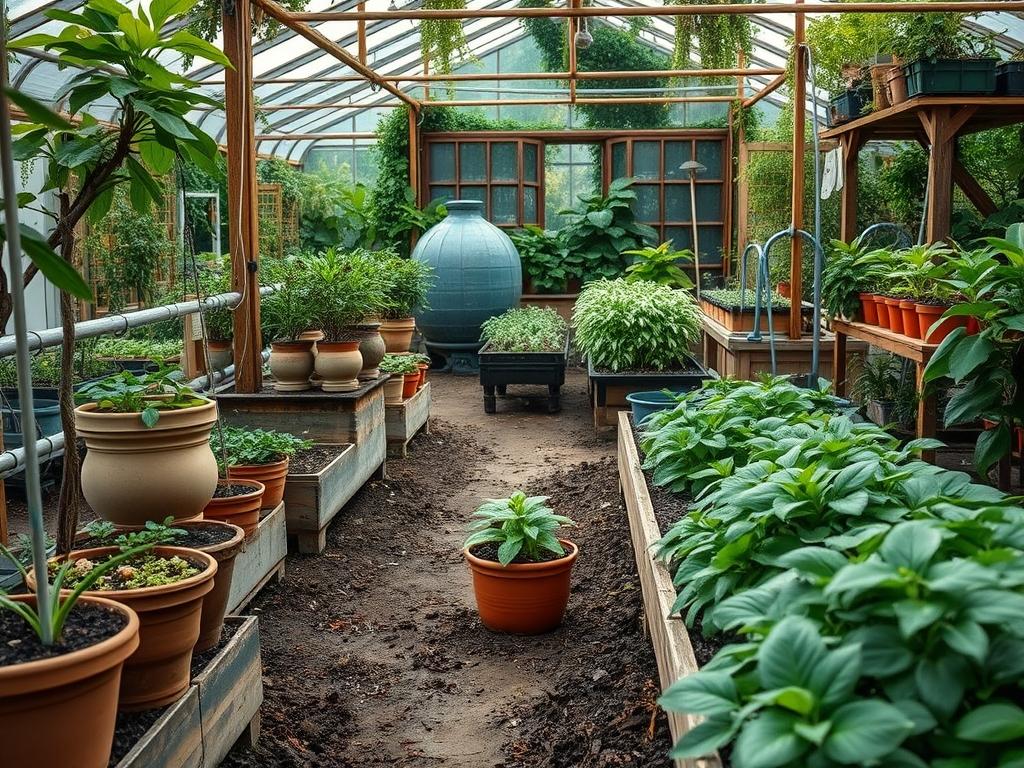
Creating a high end outdoor environment requires more than a simple selection of aesthetically pleasing flora; it demands a deep understanding of the ecological synergy between the plant and its substrate. Jasmine, a versatile genus valued for its intoxicating fragrance and lush evergreen foliage, often serves as the sensory focal point in sophisticated landscape designs. Whether utilized as a vertical screen on a custom Steel Trellis or as a sprawling groundcover along a Flagstone Path, the success of this species hinges entirely on the underlying Jasmine Soil Requirements. Integrating these plants into a broader architectural plan involves balancing the immediate curb appeal with the long term health of the root system. Landscape architects must account for microclimates, ensuring that the chosen site provides the necessary heat for bloom production while maintaining a root zone that stays cool and aerated. When the soil composition is neglected, even the most expensive jasmine specimens will fail to thrive, leading to sparse foliage and a lack of the characteristic seasonal blossoms that define luxury outdoor living spaces.
Optimizing the soil environment begins with a technical assessment of the site’s native earth. Most jasmine varieties are remarkably resilient, yet they possess specific physiological needs that must be met to achieve peak performance. The primary challenge in many residential landscapes is the prevalence of heavy clay or overly sandy deposits, both of which can stress the plant. For a landscape architect, the goal is to transform one of these extremes into a rich, loamy medium that allows for rapid drainage without sacrificing the nutrient density required for vigorous growth. This transition involves the strategic application of Organic Compost, Peat Moss, and Coarse Sand to alter the texture and porosity of the planting bed. By focusing on these fundamental soil requirements, designers can create a sustainable foundation that supports the plant through fluctuating environmental stressors, ensuring that the garden remains a functional and beautiful extension of the home for decades.
Landscape Design Principles
In the realm of professional landscape architecture, jasmine is rarely treated as a standalone element; it is viewed as a structural tool used to achieve visual balance and architectural continuity. Achieving symmetry in a garden often involves the use of jasmine to frame entryways or to flank a central water feature, creating a mirrored effect that guides the viewer’s eye toward a primary focal point. Elevation layers are equally important. By training jasmine to climb a Retaining Wall or a Pergola, designers add a vertical dimension to the landscape that softens the harsh lines of hardscaping. This verticality provides a backdrop for lower-level plantings, such as Dwarf Boxwoods or Perennial Salvia, creating a tiered effect that mimics the complexity of natural ecosystems.
Irrigation planning is another critical pillar of a well-conceived design. For jasmine, a Drip Irrigation System is often the preferred method, as it delivers water directly to the root zone, minimizing evaporation and preventing the foliage diseases associated with overhead watering. This technical integration ensures that the Jasmine Soil Requirements for moisture are met consistently without creating stagnant water pockets. Furthermore, the placement of jasmine along walkways should be intentional. When positioned near high traffic areas, the fragrance serves a functional purpose, enhancing the “wayfinding” experience of the garden. A carefully planned path composed of Decomposed Granite or Pavers, lined with fragrant climbers, transforms a simple transition zone into a curated sensory journey that reinforces the overall outdoor living concept.
Plant and Material Selection
| Plant Type | Sun Exposure | Soil Needs | Water Demand | Growth Speed | Maintenance Level |
| :— | :— | :— | :— | :— | :— |
| Star Jasmine | Full Sun to Part Shade | Rich, Well-Drained Loam | Moderate | Fast | Medium |
| Arabian Jasmine | Full Sun | High Organic Matter | High | Moderate | High |
| Winter Jasmine | Partial Shade | Adaptable, Well-Drained | Low to Moderate | Fast | Low |
| Pink Jasmine | Full Sun | Slightly Acidic, Sandy Loam | Moderate | Rapid | Medium |
| Confederate Jasmine | Full Sun to Part Shade | Nutrient Dense, Porous | Moderate | Fast | Medium |
| Common White Jasmine| Full Sun | Loamy, Well-Averated | Moderate | Fast | Medium |
Selecting the correct materials involves more than just the plants; it includes the amendments that facilitate health. To meet professional Jasmine Soil Requirements, designers often specify a blend of 60 percent Native Soil, 20 percent Aged Manure, and 20 percent Perlite or Vermiculite. This combination ensures that the roots have access to oxygen while the organic components provide a slow release of nitrogen. For gardeners working in regions with alkaline soil, the addition of Elemental Sulfur may be necessary to lower the pH to a more desirable range of 6.0 to 7.0. Utilizing a Soil pH Tester during the planning phase allows for precision in these adjustments, preventing the yellowing of leaves commonly known as chlorosis.
Implementation Strategy
The transition from a blueprint to a thriving garden requires a systematic implementation strategy. The first step involves grading the site to ensure that water moves away from the foundation of the home and the primary root balls of the plants. In areas with poor natural drainage, creating a French Drain or slightly elevated mounds can protect the jasmine from root rot. Once the grade is established, the layout should be marked using a Surveyor’s Tape and Marking Paint to ensure that the installation matches the architectural vision. Holes for jasmine should be excavated to twice the width of the root ball but no deeper than the original container; this encourages lateral root expansion into the amended soil.
After the plants are positioned, the application of Hardwood Mulch is vital. A layer of 3 inches of mulch helps to regulate soil temperature and retain moisture, which is especially important during the establishment phase. Edging is another critical component of the implementation process. Using Steel Edging or Stone Borders prevents the encroachment of turf grass and creates a clean, professional finish that defines the planting beds. For climbing jasmine, the installation of Eye Bolts and Galvanized Wire on masonry surfaces provides a discreet support system that allows the plant to appear as though it is floating against the wall. This attention to detail during the construction phase ensures that the final product is both aesthetically polished and structurally sound.
Common Landscaping Failures
One of the most frequent errors in garden planning is the failure to address drainage mistakes during the initial stages. If the Jasmine Soil Requirements for drainage are ignored, the plants will often enter a state of decline characterized by wilting despite moist soil. This is usually the result of soil compaction, where the air pockets necessary for root respiration have been crushed by heavy machinery or high foot traffic. To remedy this, a Core Aerator may be used before planting to loosen the earth and restore its natural structure. Another common failure is root overcrowding. Designers sometimes place jasmine plants too close together to achieve an “instant” full look, but this leads to competition for nutrients and water, eventually causing the interior of the plants to die back due to a lack of sunlight and airflow.
Improper spacing and irrigation inefficiencies also plague many residential landscapes. If a Spray Head irrigation system is used in a bed containing jasmine, the constant moisture on the leaves can lead to fungal outbreaks like powdery mildew. Professional consultants instead advocate for subterranean or surface drip lines that focus on the soil. Additionally, failing to consider the ultimate scale of a jasmine variety can lead to maintenance nightmares. Some species, like Pink Jasmine, can grow 15 feet in a single season, quickly overwhelming smaller structures or adjacent plants. Strategic pruning and the correct initial placement are the only ways to avoid an overgrown, tangled mess that detracts from the garden’s architectural integrity.
Seasonal Maintenance
Seasonal management is the key to preserving the health and beauty of a jasmine focused landscape. In the Spring, the focus should be on nutrient replenishment and structural pruning. Applying a Balanced Granular Fertilizer (such as a 10-10-10 NPK ratio) as soon as new growth appears will support the heavy energy demands of the upcoming bloom cycle. This is also the time to remove any winter damage using a sharp pair of Bypass Pruners, ensuring that cuts are made at a 45 degree angle to promote rapid healing. As the garden moves into Summer, the priority shifts to irrigation monitoring and pest management. High temperatures increase the water demand, and designers must ensure that the soil remains consistently moist at a depth of 4 inches.
Autumn marks a period of transition where the gardener should reduce fertilization to allow the plant to harden off before the colder months. Top-dressing the beds with an additional 2 inches of Organic Compost can help insulate the roots and provide a slow feed for the following year. In Winter, the primary goal is protection. In cooler climates, wrapping the base of the jasmine with Burlap or applying a heavier layer of Straw Mulch can prevent the root ball from freezing. For evergreen varieties, ensuring they are well-watered before a hard freeze is essential, as frozen soil prevents the plant from replacing moisture lost to dry winter winds. This year round approach ensures the Jasmine Soil Requirements are managed dynamically across all seasons.
Professional Landscaping FAQ
What is the ideal pH for jasmine soil?
Jasmine generally prefers a slightly acidic to neutral soil environment. A pH range between 6.0 and 7.0 is ideal for nutrient uptake. If your soil is too alkaline, you can incorporate Soil Sulfur or Acidifying Fertilizers to adjust the levels.
How can I improve drainage in heavy clay soil?
To improve drainage, mix heavy clay with Expanded Shale, Coarse Sand, or Organic Compost. Raising the planting bed by 6 to 12 inches can also help by using gravity to pull excess water away from the root system.
How often should I fertilize jasmine for best growth?
Fertilize jasmine during the active growing season from early spring through late summer. Applying a Slow Release Fertilizer every 6 to 8 weeks provides a steady supply of nutrients without the risk of burning the delicate root systems.
Can jasmine grow in containers on a patio?
Yes, jasmine thrives in large containers as long as they have excellent drainage. Use a high quality Potting Mix amended with extra Perlite. Ensure the pot is at least 15 inches in diameter to allow for adequate root development.
Why are my jasmine leaves turning yellow between the veins?
Yellowing between the veins, or interveinal chlorosis, usually indicates an iron or magnesium deficiency often caused by high soil pH. Testing the soil and adding a Chelated Iron Supplement can quickly restore the deep green color to the foliage.