
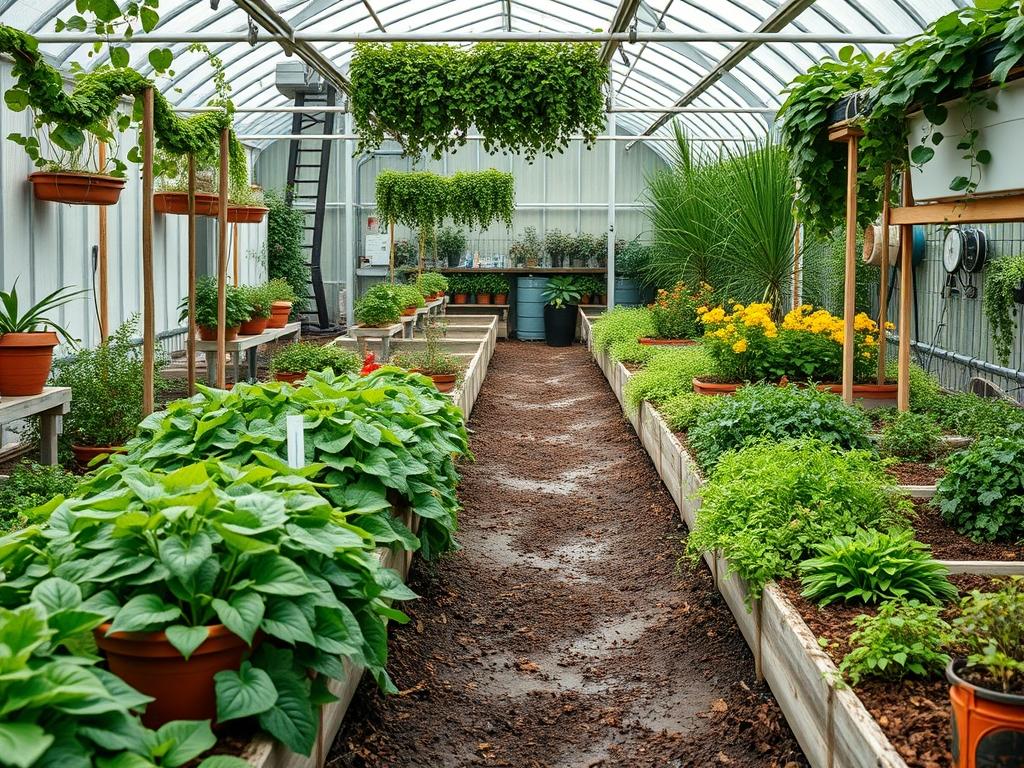
Vertical greenery serves as the living skin of a well-designed landscape, offering a sense of permanence and architectural maturity that few other elements can provide. When a landscape architect approaches a new site, the goal is often to marry the rigid lines of masonry and wood with the fluid, organic movement of climbing plants. English ivy, Boston ivy, and various ornamental creepers are frequently selected for their ability to mask unsightly retaining walls, soften the corners of a residence, and provide year-round interest. However, the success of these climbers is not merely a matter of planting and waiting. It requires a profound understanding of the subterranean environment. Identifying and preparing the best soil for ivy is the primary technical hurdle that determines whether a climber will successfully scale a structure or succumb to the stresses of poor drainage and nutrient deficiency.
A successful outdoor environment must balance visual appeal with functional longevity. High-end residential landscaping thrives on the contrast between horizontal planes, such as stone pavers or lush turf, and the vertical ascent of climbers. Beyond the aesthetic benefits, ivy acts as a natural insulator, reducing the heat island effect on brickwork and providing a cooling microclimate for outdoor living spaces. To achieve this, the soil must be engineered to support rapid root expansion while maintaining structural integrity. Without the correct balance of aeration and moisture retention, even the most aggressive species of Hedera helix will struggle to establish the aerial rootlets necessary for vertical climbing. This guide explores the intersections of soil science, landscape design, and long-term maintenance to ensure your climbing plants become a seamless component of your outdoor environment.
Landscape Design Principles
In professional landscape architecture, every element must serve a dual purpose of form and function. Ivy is often utilized to create symmetry in a garden layout. For instance, flanking a grand entryway with twin columns of Boston ivy can direct the eye toward a central focal point, such as a custom water feature or a hand-carved wooden door. This use of repetition creates a rhythmic flow through the space, making large estates feel cohesive and intimate gardens feel more expansive.
Elevation layers are another critical consideration. Landscaping is not a two-dimensional exercise; it is the art of sculpting volume. By using climbers, architects can add a “canopy” layer to vertical surfaces, bridging the gap between low-lying groundcover and high-reaching ornamental trees. This layering effect mimics natural forest edges, which provides a sense of psychological comfort and enclosure for those using the space. To support this growth, irrigation planning must be integrated early in the design phase. Installing drip irrigation lines behind the foliage of climbers ensures that water reaches the root zone without causing excessive moisture buildup on the foliage, which can lead to fungal issues.
Walkways and hardscaping also play a role in how we perceive climber-heavy environments. A stone path winding through an ivy-covered courtyard offers a tactile experience, where the softness of the leaves contrasts with the rugged texture of flagstone or granite. Visual balance is achieved by ensuring that the vigor of the ivy does not overwhelm the architectural details. This requires a soil foundation that allows for controlled, steady growth rather than erratic bursts followed by dieback.
Plant and Material Selection
| Plant Type | Sun Exposure | Soil Needs | Water Demand | Growth Speed | Maintenance Level |
| :— | :— | :— | :— | :— | :— |
| English Ivy | Shade to Part Sun | Rich, Well-Draining Loam | Moderate | Fast | Moderate |
| Boston Ivy | Full Sun to Part Shade | Moist, Fertile Silt | Moderate | Very Fast | High |
| Star Jasmine | Full Sun | Organic-Rich Sand/Loam | Low to Moderate | Medium | Low |
| Clematis | Sun (Tops) / Shade (Roots) | Cool, Moist, Alkaline | High | Medium | High |
| Creeping Fig | Part Shade | High Organic Matter | Moderate | Fast | Moderate |
Implementation Strategy
The process of installing a vertical landscape begins with rigorous site preparation. First, the grading must be assessed. The ground near a foundation or retaining wall should always slope away from the structure at a minimum of a 2 percent grade to ensure that excess rainfall does not saturate the root ball or seep into the building materials. Once the grade is established, the soil must be amended to create the best soil for ivy.
Professionals typically start by tilling the existing earth to a depth of 12 inches using a rototiller or a hand spade. If the natural soil is heavy clay, it must be amended with coarse sand and composted organic matter to increase pore space. This allows for oxygen to reach the roots, which is essential for nutrient uptake. A standard recommendation involves a mix of 60 percent native soil, 20 percent composted leaf mold, and 20 percent perlite or coarse grit.
After the soil is prepared, edging should be installed to define the planting bed. Steel edging or tumbled stone borders prevent the ivy from encroaching into the lawn or transition zones. When planting, the root ball should be placed so the top is level with the surrounding soil. Once the plants are in the ground, a 3-inch layer of hardwood mulch is applied to the surface. This mulch regulates soil temperature and prevents the evaporation of critical moisture. To assist the ivy in its initial climb, landscape staples or temporary masonry ties may be used to guide the vines toward the intended surface.
Common Landscaping Failures
The most frequent mistake in climber management is improper drainage. While ivy is resilient, it cannot survive in “bathtub” conditions where water sits stagnant around the roots. This leads to root rot, characterized by yellowing leaves and a failure to produce new growth. Soil compaction is another silent killer. In high-traffic areas, the soil becomes pressed down, squeezing out the air pockets that roots need to breathe. Using aeration tools or incorporating mechanical soil conditioners during the planning phase can prevent this.
Root overcrowding often occurs when multiple plants are placed too close together in an attempt to get “instant” coverage. This leads to competition for nutrients and water, eventually causing the entire stand to decline. Proper spacing, usually 18 to 24 inches apart for most ivy species, allows each plant to establish a robust root system. Furthermore, many homeowners fail to account for irrigation inefficiencies. Standard overhead sprinklers are often blocked by the thick canopy of the ivy, meaning the water hits the leaves but never reaches the soil. Transitioning to a sub-surface irrigation system ensures the best soil for ivy remains consistently hydrated.
Seasonal Maintenance
Spring is the period of most aggressive growth and requires the most attention from a maintenance perspective. This is the time to apply a slow-release nitrogen fertilizer to the base of the plants to fuel the development of new foliage. Pruning should be done with sharp bypass pruners to remove any winter-damaged stems and to redirect growth away from windows, gutters, or roofing shingles.
During the summer, the focus shifts to moisture management. In periods of extreme heat, even established ivy may require deep watering twice a week. Ensure the mulch depth is maintained at 3 inches to protect the delicate surface roots from scorching. Autumn is the ideal time for structural pruning. As the growth rate slows, thin out the interior of the vines to improve air circulation, which reduces the risk of leaf spot diseases.
In winter, the primary goal is protection. In colder climates, evergreen ivies can suffer from desiccation if the ground freezes and they are exposed to harsh winds. Applying a winter mulch of pine straw or shredded bark helps insulate the soil. Avoid heavy fertilization during this period, as the goal is to keep the plant dormant until the spring thaw.
Professional Landscaping FAQ
How do I test my soil for ivy?
Use a pH testing kit to ensure the acidity is between 6.0 and 7.5. Collect samples from a 6-inch depth at various points along the planting bed. Ivy prefers a neutral to slightly acidic environment for optimal nutrient absorption.
Can ivy damage my brick walls or mortar?
Healthy mortar on modern brickwork is generally safe from ivy. However, pre-1930s lime mortar or crumbling masonry can be compromised. Ensure your walls are structurally sound and use non-invasive climbers if the mortar is soft or historical.
What is the fastest way to get ivy to climb?
Prepare the best soil for ivy with high organic content and use liquid seaweed fertilizer every two weeks during the first growing season. Secure the primary runners to the wall with masonry adhesive clips to encourage the aerial roots to attach.
How much water does new ivy actually need?
Newly planted ivies require approximately 1 inch of water per week. In the first 90 days of establishment, do not let the top 2 inches of soil dry out completely. Consistent moisture is vital for root development.
Is mulch necessary for climbers against a house?
Yes, a 3-inch layer of cedar mulch prevents soil-borne pathogens from splashing onto the foliage. It also prevents the soil from pulling away from the foundation during dry spells, which helps maintain the stability of the root system.