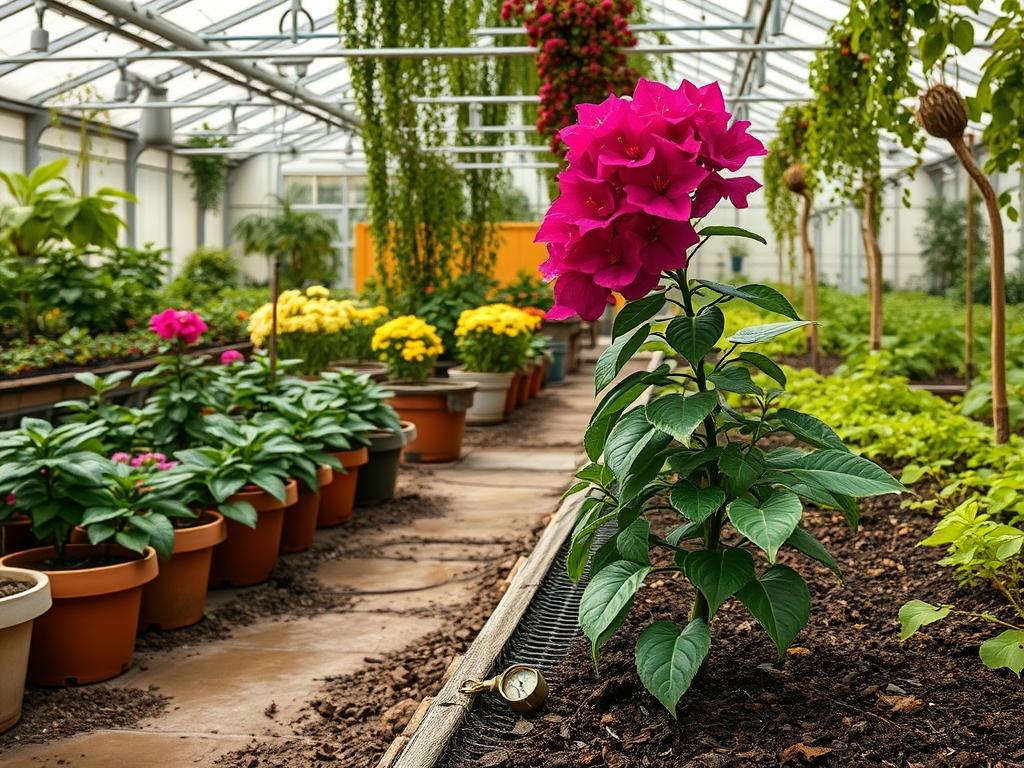
Architectural landscaping requires a delicate balance between structural aesthetics and the biological imperatives of the chosen flora. When integrating vibrant, high-impact species like bougainvillea into a professional design, the primary challenge often lies in managing its vigorous growth while stimulating its iconic floral displays. From a consultant’s perspective, the success of a tropical or Mediterranean-themed garden depends heavily on curb appeal and the longevity of the installation. Bougainvillea serves as a premier focal point, but its performance is dictated by the subsurface environment. Designing for this species involves more than just selecting a sunny spot; it requires a strategic understanding of how the best soil for bougainvillea facilitates the phenomenon known as bloom stress. This curated stress is the catalyst for the vivid bract production that defines a well-executed outdoor environment.
In professional landscape architecture, we view the garden as a functional extension of the home. This means the transition from hardscape to softscape must be seamless. Bougainvillea provides the verticality needed to soften the harsh lines of a retaining wall or a pergola. However, if the soil is too rich or stays saturated for too long, the plant will prioritize vegetative growth over flowering, resulting in a dense mass of green leaves and thorns rather than the desired splashes of magenta, gold, or crimson. To achieve a high-end finish, the landscape must be engineered to provide rapid drainage and high aeration. This environmental control ensures that the plant remains healthy while being pushed toward its peak visual output through controlled moisture levels.
Landscape Design Principles
Effective landscape design relies on five core principles: symmetry, focal points, elevation layers, visual balance, and functionality. When incorporating bougainvillea, these principles must be adapted to the plant’s aggressive nature. Symmetry is often achieved by flanking an entryway with two mirrored specimens, but this requires identical soil conditions and drainage profiles to ensure uniform growth. If one side of a driveway has more compacted soil than the other, the visual balance of the entire property is compromised.
Creating focal points involves using color and texture to draw the eye to specific architectural features. Because bougainvillea is so visually dominant, it should be used to anchor corners or provide a backdrop for lower-level plantings. Elevation layers are critical here; we typically place the bougainvillea in the highest tier of a planter or against a structural support to allow its vines to cascade downward. This layering adds depth to the garden. Furthermore, irrigation planning must be independent for these zones. Unlike a thirsty lawn, bougainvillea thrives on a “soak and dry” cycle. Integrating a dedicated drip irrigation system with a separate timer allows a professional to manage the bloom stress required for maximum bract color without affecting more water-dependent species nearby.
Visual balance also concerns the relationship between hardscaping and organic material. A sprawling vine looks best when contrasted against a clean, neutral-colored wall or a stone walkway. By controlling the soil quality and restricting the root zone, the architect can maintain the plant’s scale, preventing it from overwhelming the intended design.
Plant and Material Selection
Selecting the right materials begins with understanding the specific cultivars and their requirements. Below is a professional-grade selection guide for a bougainvillea-centric landscape.
| Plant Type | Sun Exposure | Soil Needs | Water Demand | Growth Speed | Maintenance Level |
| :— | :— | :— | :— | :— | :— |
| Bougainvillea (Glabra) | Full Sun (6+ Hours) | Gritty, Acidic, Well-Draining | Medium to Low | Fast | High (Pruning) |
| Lavandula Angustifolia | Full Sun | Sandy, Alkaline | Low | Moderate | Low |
| Agave Attenuata | Partial to Full Sun | Rocky, Porous | Very Low | Slow | Very Low |
| Rosmarinus Officinalis | Full Sun | Poor to Average, Dry | Low | Fast | Moderate |
| Trachelospermum | Partial Shade | Loamy, Moist | Moderate | Fast | Moderate |
When sourcing the best soil for bougainvillea, look for a mixture that includes Perlite, Coarse Sand, and Peat Moss. A professional mix usually consists of 40% organic matter to retain some nutrients and 60% inorganic materials to ensure the water exits the root zone quickly. The target pH should ideally sit between 5.5 and 6.5.
Implementation Strategy
The transition from a design on paper to a physical landscape requires a systematic implementation strategy. The process begins with grading. Proper grading ensures that surface water flows away from the building foundations and does not collect in the planting beds. For bougainvillea, we often create a slight mound or a raised bed to enhance drainage further.
Once the grade is established, the next step is defining the edging. Whether using steel, plastic, or stone, a crisp edge prevents grass from invading the planting zone and keeps the specialized soil mix from washing away. After the edging is set, we prepare the planting holes. A common mistake is digging a hole that is too deep but not wide enough. The hole should be twice the width of the root ball but no deeper than the container the plant came in.
Filling the hole with the best soil for bougainvillea is a precise task. We blend the native soil with a professional-grade potting mix or soil conditioner to bridge the transition for the roots. Once the plant is in place, a layer of mulch is applied. For bougainvillea, a depth of 2 to 3 inches of wood chips or shredded bark should be maintained, but it must be kept a few inches away from the main trunk to avoid rot. Finally, the hardscaping elements like trellises or tension wires are installed to guide the growth from day one.
Common Landscaping Failures
The most frequent failure in bougainvillea management is poor drainage. If the soil remains soggy, the plant will suffer from root rot, characterized by yellowing leaves and a lack of new growth. This is often caused by heavy clay soils that have not been properly amended with coarse materials. Another issue is soil compaction. In high-traffic areas, the air pockets in the soil are crushed, depriving roots of oxygen. This leads to stunted growth and a general decline in vibrancy.
Improper spacing is another common pitfall. Bougainvillea grows rapidly, and planting them too close to other shrubs can lead to competition for nutrients and light. Over time, the more aggressive vine will shade out its neighbors, ruining the visual layering of the garden. Additionally, many homeowners over-fertilize with high-nitrogen products. While nitrogen produces lush green leaves, it inhibits flowering. Professional consultants recommend a fertilizer with a higher middle number, such as an NPK ratio of 5-10-10, to encourage bloom production after the initial establishment phase.
Seasonal Maintenance
Seasonal management is what separates a professional landscape from an amateur garden. In the Spring, the focus is on structural pruning. This is the time to remove any frost-damaged stems and to thin out the center of the plant to improve airflow. A light application of a slow-release fertilizer will kickstart the growing season.
During the Summer, the priority shifts to irrigation and monitoring for pests like aphids. This is the peak time for bloom stress management. By slightly reducing the watering frequency, you signal the plant to begin producing its colorful bracts. If the plant looks slightly wilted in the late afternoon but recovers by morning, you have achieved the perfect level of stress.
In Autumn, pruning should be focused on maintaining the shape and removing spent blooms to encourage one last flush of color. Irrigation should be gradually reduced as the temperatures drop. Finally, in Winter, tropical plants like bougainvillea need protection in cooler climates. This includes applying a thicker layer of mulch to insulate the roots and using frost blankets during localized freezes. Avoid any heavy pruning in winter, as this can stimulate new growth that is highly susceptible to cold damage.
Professional Landscaping FAQ
What is the best soil for bougainvillea in containers?
A high-quality, peat-based potting mix amended with 30% perlite or coarse sand is ideal. This ensures the rapid drainage necessary to trigger the bloom stress required for vibrant bracts while preventing root rot in confined spaces.
How often should I water bougainvillea for maximum blooms?
Once established, water deeply but infrequently. Allow the top two inches of soil to dry completely. This slight drought stress signals the plant to stop producing foliage and start producing its signature colorful bracts.
Can I grow bougainvillea in heavy clay soil?
Growing in heavy clay is difficult. You must amend the area extensively with organic matter and gypsum or, more effectively, install a raised bed filled with a grittier, well-draining soil mix to provide the necessary aeration and drainage.
What type of fertilizer should I use for color?
Use a balanced, slow-release fertilizer with added micronutrients like iron and magnesium. Avoid high-nitrogen blends, as they encourage leafy green growth at the expense of flowers. A 5-10-10 or 6-8-10 NPK ratio is typically most effective.
Why is my bougainvillea green but not blooming?
This is usually caused by overwatering, too much nitrogen, or insufficient sunlight. Ensure the plant receives at least six hours of direct sun and allow the soil to dry out significantly between watering cycles to induce bloom stress.