
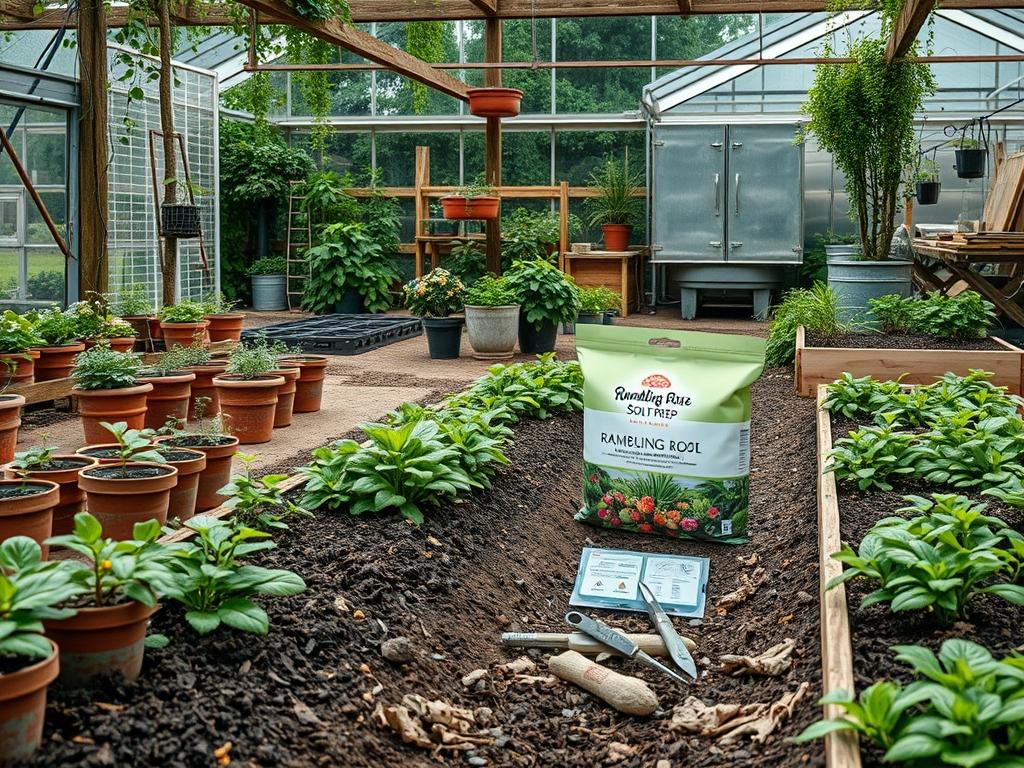
Integrating rambling roses into a professional landscape design requires a deep understanding of both structural engineering and horticultural science. These vigorous growers are not merely plants; they are architectural elements capable of softening the harshest elevations or providing organic texture to a sterile retaining wall. Because a single specimen of Rosa filipes ‘Kiftsgate’ can reach lengths of over 30 feet, the groundwork laid during the initial phase determines the success of the installation for decades. Establishing a robust foundation involves more than digging a hole. It requires a comprehensive assessment of the site’s topography, drainage patterns, and existing soil chemistry to ensure the rose can support its own massive biomass without succumbing to nutrient deficiencies or root pathogens. Curb appeal is significantly enhanced when these plants are used to create vertical interest, drawing the eye upward and expanding the perceived boundaries of the outdoor living space.
Landscape Design Principles
In the realm of high-end landscape architecture, the use of rambling roses must adhere to the principles of symmetry and focalization. We often utilize these plants to frame a specific view or to anchor the corner of a large estate, providing a sense of permanence and maturity. To achieve visual balance, the rose should be positioned where its sprawling nature can be managed through strategic training. Planning for elevation layers is crucial; the rambling rose serves as the canopy or mid-story layer, which must be complemented by lower-level perennials and groundcovers to hide the often-woody base of the mature plant.
Walkway planning is another critical component. Because rambling roses possess formidable thorns, they must be set back at least 3 feet from the edge of primary paths to ensure pedestrian safety while still allowing the fragrance to permeate the area. Irrigation planning should prioritize subterranean delivery systems. Drip lines should be installed at the time of planting to ensure water reaches the deep root zones without wetting the foliage, which is the primary cause of fungal infections in dense rose canopies. Furthermore, the use of retaining walls can help manage elevation changes, providing a flat, stable area for the intensive Rambling Rose Soil Prep required for these hungry feeders.
Plant and Material Selection
Selecting the right cultivar is the first step in ensuring the landscape remains manageable and healthy. The following table outlines the specific requirements for common rambling rose varieties used in professional installations.
| Plant Type | Sun Exposure | Soil Needs | Water Demand | Growth Speed | Maintenance Level |
| :— | :— | :— | :— | :— | :— |
| Rosa ‘Paul’s Himalayan Musk’ | Full Sun | Rich Loam | High | Fast | High |
| Rosa ‘Albertine’ | Full Sun/Part Shade | Well-Drained | Moderate | Medium | Medium |
| Rosa banksiae ‘Lutea’ | Full Sun | Sandy Loam | Low | Fast | Low |
| Rosa ‘American Pillar’ | Full Sun | Heavy Clay/Amended | Moderate | Fast | Medium |
| Rosa ‘The Rambling Rector’ | Full Sun/Part Shade | Versatile/Humus | Moderate | Fast | Medium |
Implementation Strategy
The process of Rambling Rose Soil Prep begins with a site survey and grading. Any area intended for a large rambler must be graded to ensure that water moves away from the crown of the plant. Once the elevation is set, we employ a technique known as double-digging. This involves excavating the soil to a depth of 2 feet and a width of 3 feet. The subsoil is loosened with a garden fork, and a significant volume of organic matter is incorporated. We recommend a blend of well-rotted manure, garden compost, and leaf mold to improve the soil structure.
For the primary nutritional foundation, incorporate bone meal for long-term phosphorus release and mycorrhizal fungi to enhance nutrient uptake. If the soil is excessively heavy or contains high clay content, the addition of horticultural grit or expanded shale is necessary to prevent compaction. Once the plant is situated, the area should be topped with a 4-inch layer of shredded bark mulch or pine needles. This mulch layer serves three purposes: it suppresses weed competition, regulates soil temperature, and provides a slow-release source of carbon as it decomposes. Edging the bed with steel landscape edging or Belgian block helps contain the mulch and creates a clean transition between the rose bed and the turf or hardscape.
Common Landscaping Failures
The most frequent error in rambling rose installation is inadequate drainage. Even the hardiest Rosa ‘Bobbie James’ will struggle in anaerobic conditions caused by standing water. This often results from burying the graft union too deep in heavy soil or failing to account for the runoff from nearby hard surfaces. Another common pitfall is root overcrowding. Designers often underestimate the horizontal spread of the root system, planting secondary shrubs too close to the rose, which leads to competition for water and micronutrients.
Improper spacing and lack of airflow are equally detrimental. When ramblers are planted too close to a solid wall without a trellis or wire tension system providing a 2-inch air gap, the humidity levels rise, inviting powdery mildew and blackspot. Soil compaction is the final silent killer. Using heavy machinery near the planting site after the soil has been prepared will collapse the macro-pores in the soil, suffocating the roots. Always establish a no-drive zone around the planting pits during the construction phase of the project.
Seasonal Maintenance
Professional landscape management follows a strict seasonal rhythm to keep rambling roses at peak performance. In the spring, the focus is on growth stimulation. This is the time to apply a balanced 10-10-10 slow-release fertilizer and a fresh layer of compost. As the first flush of growth appears, look for signs of aphid infestation and treat with neem oil or a strong stream of water if necessary.
Summer maintenance revolves around hydration and monitoring. During periods of extreme heat, the water demand increases significantly. Ensure that the drip irrigation system is functioning and providing at least 5 gallons of water per week to mature plants. If the variety is a repeat bloomer, deadheading spent clusters will encourage further floral production; however, many traditional ramblers should be left to develop hips, which provide winter interest and food for local bird populations.
Autumn is the primary window for structural training and pruning. Unlike climbing roses, most ramblers bloom on wood produced in the previous growing season. Prune out the oldest canes at the base using bypass loppers to encourage the growth of new, vigorous shoots. Tie these shoots horizontally to their support structures to stimulate the development of lateral flowering spurs. In the winter, ensure the base of the plant is protected with an extra mounding of mulch in colder climates, and check that all structural ties are secure to prevent wind whip during winter storms.
Professional Landscaping FAQ
How deep should the soil be prepared for a new rambling rose?
You should prepare the site to a depth of at least 2 feet. This ensures the deep taproots can penetrate the subsoil, providing stability and access to deep-water reserves during the hot summer months.
What is the best pH level for rambling rose soil?
Rambling roses thrive in slightly acidic to neutral soil, specifically between a pH of 6.0 and 6.5. Use elemental sulfur to lower the pH or dolomitic lime to raise it based on a professional soil test.
Can I grow rambling roses in heavy clay soil?
Yes, but you must amend the area extensively. Incorporate gypsum to break up clay particles and add large quantities of organic compost to improve aeration. Raising the planting bed slightly can also help with drainage issues.
When is the best time to apply fertilizer?
Apply a high-quality rose food in early spring just as the buds begin to swell. A second, lighter application can be made in mid-summer, but avoid fertilizing after late August to prevent soft growth that could be damaged by frost.
Do rambling roses require a specialized irrigation system?
While not strictly required, a drip irrigation system is highly recommended. It delivers water directly to the roots, reduces evaporation, and keeps the foliage dry, which is the most effective way to prevent the spread of fungal diseases.