
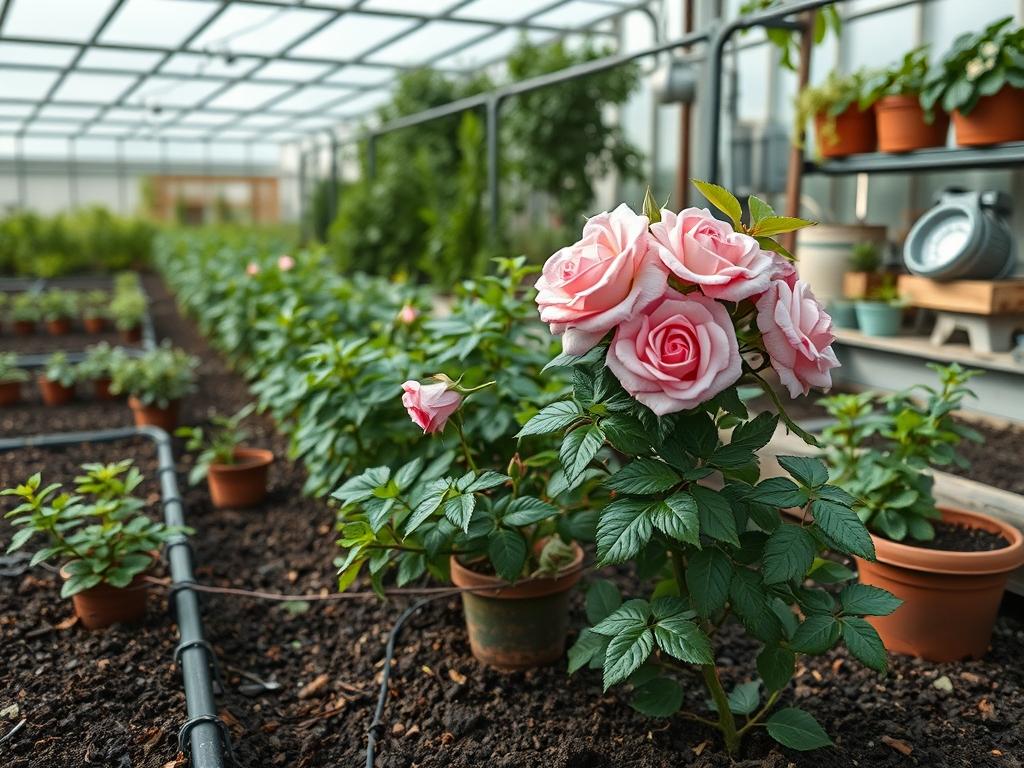
Climbing roses are not merely garden plants; they are architectural elements that define the vertical boundaries of an outdoor living space. When a landscape architect integrates these vigorous climbers into a design, the goal is often to create a sense of enclosure, provide a focal point, or soften the transition between a rigid structure and the natural environment. Achieving a lush, flowering facade requires a deep understanding of the relationship between the plant and its subterranean support system. The best soil for climbing roses is a medium that balances structural stability, nutrient density, and hydraulic conductivity. Many homeowners focus on the aesthetic beauty of the blooms, yet the success of a Trellis or Pergola installation depends entirely on the biological health of the soil hidden beneath the surface. In regions with heavy clay or sandy coastal deposits, the natural ground rarely provides the specific conditions needed for a rose to thrive for decades. By focusing on a professional soil profile, you can ensure that your roses reach their full height while maintaining a dense canopy of foliage and a high frequency of repeat blooms.
Landscape Design Principles
Successful vertical gardening depends on the harmonious integration of biological needs and structural engineering. When planning for climbing roses, elevation layers serve as the primary framework. Position the largest roses against the highest structures, such as a Two-Story Brick Wall or a high Cedar Arbor, to create a dominant focal point. Visual balance is achieved by mirroring these plantings across an axis, such as a primary garden path or the entrance to a pool deck. However, gardeners must account for the weight of the mature plant. A mature Climbing Rose can weigh several hundred pounds when saturated with rainwater. Therefore, the soil must be firm enough to anchor the roots and support the heavy-duty Post Anchors or Retaining Walls that often accompany these installations.
Symmetry is a classic tool in high-end landscaping, but it requires uniform soil conditions across the entire site. If one side of a Stone Walkway has compacted subsoil while the other has loose, organic loam, the roses will grow at different rates, destroying the intended architectural effect. Irrigation planning is another critical pillar of design. Because climbing roses are often placed against house foundations or under eaves, they frequently reside in rain shadows where natural precipitation cannot reach. A dedicated Drip Irrigation System should be buried 4 inches deep within the soil to deliver consistent moisture directly to the root zone without wetting the foliage, which reduces the risk of fungal pathogens. Using different elevation levels, such as raised masonry planters, can also assist with drainage and provide better accessibility for pruning and maintenance.
Plant and Material Selection
Selecting the right plant for the right structure is the first step in creating a sustainable landscape. Not all roses climb in the same fashion; some produce stiff, upright canes while others are flexible and easier to wrap around a pillar.
| Plant Type | Sun Exposure | Soil Needs | Water Demand | Growth Speed | Maintenance Level |
| :— | :— | :— | :— | :— | :— |
| Eden Rose (Climber) | Full Sun | Rich Loam | Moderate | Medium | High |
| New Dawn Rose | Full Sun / Partial | Well-Drained | High | Fast | Medium |
| Iceberg Climbing | Full Sun | Sandy Loam | Moderate | Fast | Low |
| Clematis (Companion) | Part Shade | Cool Roots | High | Medium | Medium |
| English Ivy | Shade | Any | Low | Very Fast | High |
| Lavender (Base Plant) | Full Sun | Gritty / Lean | Low | Medium | Low |
The best soil for climbing roses across most varieties is a professional grade Clay Loam amended with 30 percent organic matter. For structures like Wrought Iron Obelisks, choose more flexible varieties like Lady of Shalott. For sprawling coverage over a Split Rail Fence, the vigorous Cecile Brunner is an excellent choice. Always pair your roses with high-quality materials; use Stainless Steel Cables for wall mounting to prevent rust staining and ensure the longevity of the support system.
Implementation Strategy
The process begins with an assessment of the existing terrain and site grading. Before the first shovel enters the ground, ensure that the site slopes away from any permanent structures at a rate of at least 2 percent to prevent water from pooling at the foundation. A standard planting hole for a climbing rose should be significantly larger than the nursery pot. Aim for a pit that is 24 inches wide and 18 inches deep. This provides a substantial volume of loose, aerated soil where the young roots can expand without resistance.
To create the best soil for climbing roses, combine the native soil with Aged Compost, Peat Moss, and a handful of Bone Meal. If you are working with heavy clay, add Coarse Sand or Perlite to improve the pore space. This prevents the soil from turning into a solid, anaerobic mass when wet. For roses being trained against a wall, place the base of the plant at least 12 inches away from the structure. This distance allows for air circulation behind the foliage and provides sufficient room for the root ball to grow symmetrically. Once the rose is set in the hole, backfill with the amended soil and tamp it down lightly to remove large air pockets. Finish the installation with a 3-inch layer of Hardwood Mulch, keeping the mulch a few inches away from the main canes to prevent bark rot.
Common Landscaping Failures
The most frequent mistake in climbing rose design is neglecting the drainage requirements of the site. When roses are planted at the base of a downspout or in a low-lying area, the roots eventually succumb to rot. This is often exacerbated by soil compaction, which occurs when heavy equipment or frequent foot traffic crushes the soil structure. Compacted soil lacks the oxygen necessary for root respiration, leading to stunted growth and yellowing leaves. Another common failure is improper spacing between the plant and its support. If a rose is planted too tightly against a moisture-absorbing wooden fence, it can lead to premature decay of the wood and powdery mildew on the plant.
Irrigation inefficiencies also plague many garden designs. Overhead sprinklers are a poor choice for roses because wet leaves are highly susceptible to black spot and rust. Furthermore, many gardeners fail to account for the competitive nature of tree roots. If you plant a climbing rose near a mature Oak or Maple, the tree will likely outcompete the rose for water and nutrients. In these cases, installing a Root Barrier or using a large Masonry Planter is necessary to give the rose a fair chance at establishing itself. Finally, using cheap, untreated wood for structures will lead to a collapse just as the rose reaches its peak beauty, requiring a difficult and damaging reconstruction process.
Seasonal Maintenance
Landscape management is a year-round commitment that changes with the seasons. In the Spring, focus on health and vigor. Remove the winter mulch and apply a Balanced Granular Fertilizer with a ratio such as 10-10-10 or 15-15-15. This is also the time to inspect the structural ties to ensure they are not girdling the canes as they thicken. Summer maintenance is primarily concerned with hydration and deadheading. During heatwaves, roses may require deep watering two to three times per week. Monitor the soil moisture by inserting a finger 3 inches into the earth; if it feels dry, it is time to irrigate.
As Autumn approaches, stop fertilizing to allow the plant to harden off for the coming cold. This is an excellent time to add a fresh layer of Compost to the surface, which will slowly leach nutrients into the soil over the winter. In the Winter, pruning becomes the priority. For established climbers, remove any dead, damaged, or diseased wood. Thin out the oldest canes to encourage the growth of new, productive shoots from the base. Tie the remaining canes horizontally across the Trellis or Fence. Training canes horizontally encourages the growth of lateral flowering spurs, resulting in a wall of roses rather than just a few blooms at the very top. Apply a Dormant Oil Spray in late winter to kill overwintering pests and fungal spores.
Professional Landscaping FAQ
What is the ideal pH for rose soil?
Climbing roses thrive in slightly acidic to neutral soil, specifically between 6.0 and 6.5 pH. This range ensures that essential micronutrients like iron and manganese remain chemically available to the roots for healthy foliage and vibrant flower production.
How deep should I mulch my climbing roses?
Apply a layer of organic mulch, such as Shredded Bark, approximately 3 inches deep. This depth is sufficient to suppress weed growth and retain soil moisture while allowing the soil to breathe. Keep the mulch away from the primary stems.
Can I grow climbing roses in large containers?
Yes, but you must use a massive container, at least 20 gallons, and a high-quality Potting Mix blended with Loam. Container-grown roses require more frequent fertilization and irrigation because their roots cannot reach deep into the earth for resources.
What is the best way to fix heavy clay soil?
Do not just add sand, as this can create a concrete-like consistency. Instead, incorporate large volumes of Organic Matter such as Composted Manure or Leaf Mold. These materials break up the clay particles and improve both drainage and aeration.
How often should I test my garden soil?
Professional landscape architects recommend a soil test every 2 to 3 years. A laboratory analysis provides precise data on nutrient levels and pH, allowing you to make informed decisions about amendments rather than guessing and potentially over-fertilizing your plants.