
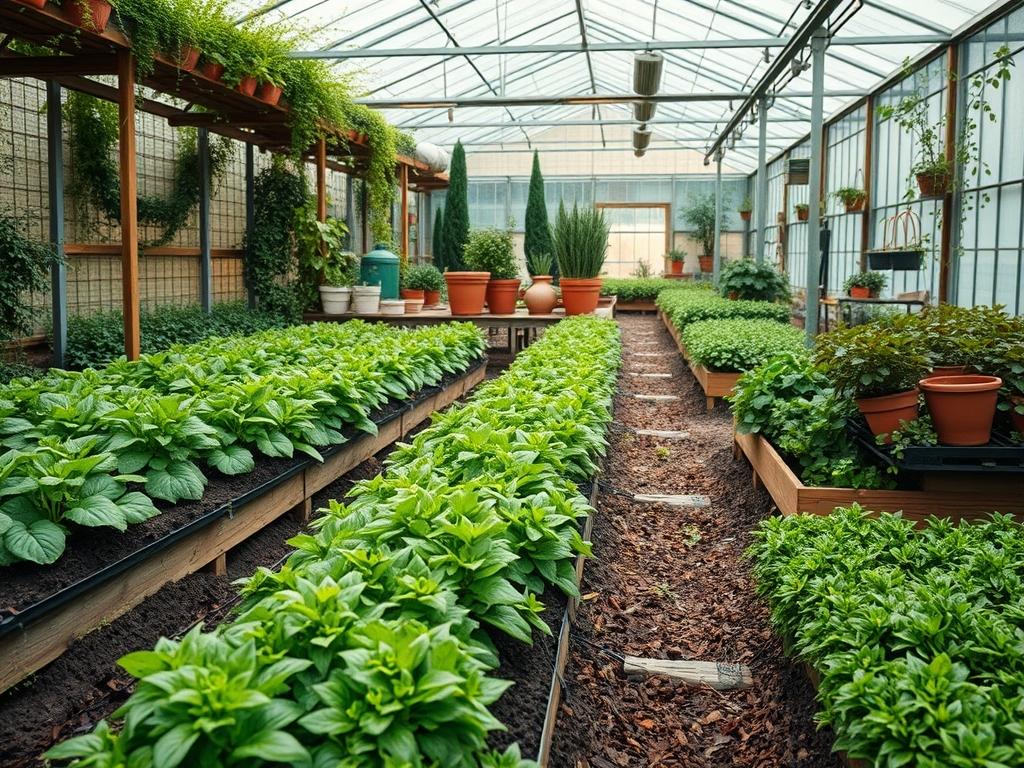
The establishment of a living privacy screen represents one of the most significant investments a property owner can make in their outdoor environment. Beyond the immediate benefit of seclusion, a well executed hedge enhances curb appeal, mitigates wind, and provides a textured backdrop for smaller ornamental plantings. However, the long term success of these vertical elements is rarely determined by the quality of the foliage at the time of purchase. Instead, the architectural integrity of a privacy screen depends almost entirely on the subterranean conditions. Achieving the best soil for hedges requires an understanding of drainage, nutrient density, and structural stability. Without a properly prepared foundation, even the most expensive specimens will succumb to root rot, nutrient deficiencies, or stunted growth.
A professional landscape architect views the soil as a biological engine. In a typical residential setting, native soil is often compacted by construction equipment or depleted of organic vitality. To transform this into a high performance growing medium, one must consider the specific needs of the chosen species alongside the local climate. For example, evergreen screens in temperate zones deal with heavy seasonal rainfall, while those in arid environments face high evaporation rates. Proper soil preparation ensures that the root systems can expand horizontally and vertically, providing the physical anchorage necessary to withstand high winds. By prioritizing the underground environment, you create a resilient landscape that requires less supplemental water and fewer chemical interventions over the decades.
Landscape Design Principles
Effective privacy screening involves more than planting a straight line of shrubs. It requires a nuanced understanding of symmetry and visual balance to ensure the hedge integrates into the broader landscape. A common approach is to use elevation layers; this involves placing the taller hedge as the rear anchor and stepped down tiers of flowering perennials or low shrubs in the foreground. This technique prevents the wall of green from feeling monolithic or oppressive. Instead, it creates depth and softens the transition between the hardscape and the natural environment.
Symmetry is particularly useful in formal garden designs, where a tightly manicured hedge might frame a focal point like a fountain or a specific sculpture. In more naturalistic designs, designers often use staggered rows. By planting in a zigzag pattern rather than a single file line, you achieve total privacy much faster and create a more wind resistant barrier. This layout also allows for better airflow between plants, which is critical for preventing fungal diseases.
Irrigation planning must be integrated into the design from the start. High density privacy plantings have significant water demands, especially during the first three years. Installing a drip irrigation system beneath the mulch layer ensures that water reaches the root zones directly, minimizing waste through evaporation. Furthermore, the design should incorporate clear walkways for maintenance access. A hedge that is pushed too close to a property line or a structure becomes impossible to prune properly, leading to overgrown branches that may damage siding or fences.
Plant and Material Selection
Selecting the right plant material is the second pillar of a successful privacy installation. The following table outlines some of the most effective options for various landscape goals.
| Plant Type | Sun Exposure | Soil Needs | Water Demand | Growth Speed | Maintenance Level |
| :— | :— | :— | :— | :— | :— |
| Thuja Green Giant | Full Sun to Partial | Well drained loam | Moderate | Fast | Low |
| Prunus Laurocerasus | Full Sun to Shade | Deep organic matter | Moderate | Medium | Medium |
| Ilex x Nellie R. Stevens | Full Sun to Partial | Acidic, well drained | Moderate | Medium | Low |
| Taxus x Media | Shade to Full Sun | Excellent drainage | Low to Moderate | Slow | High (Pruning) |
| Ligustrum Japonicum | Full Sun | Adaptable/Tolerant | Moderate | Fast | High |
For the best soil for hedges, you must match the amendments to the plant. Thuja species, for instance, prefer a slightly acidic profile with plenty of sphagnum peat moss. In contrast, Taxus (Yew) will fail almost immediately if the soil is waterlogged, making the addition of coarse sand or perlite essential for improving porosity.
Implementation Strategy
The transition from a design plan to a physical installation begins with site preparation. One of the most common mistakes is digging individual holes for each plant. For a hedge, it is professionally recommended to excavate a continuous trench. This ensures that the soil quality is uniform across the entire root run, preventing individual plants from becoming “pot bound” in pockets of poor native soil. The trench should be at least 24 inches wide and 18 inches deep, providing ample space for root expansion.
Once the trench is excavated, check the grading. The bottom of the trench should have a slight pitch to allow excess water to move away from the main root balls. If your site has heavy clay, you may need to install a French drain or a layer of clear crushed stone at the base. The backfill should be a custom blend: two parts native soil to one part organic compost or aged manure. This introduces beneficial microbes and improves the Cation Exchange Capacity (CEC) of the soil, which helps the plants more efficiently absorb nutrients like Nitrogen, Phosphorus, and Potassium.
After planting, the installation of edging is vital. Metal edging or heavy duty plastic borders keep lawn grass from encroaching into the hedge line. Grass is a fierce competitor for water and nutrients; keeping a clear, weed free zone around the base of the hedge is essential for rapid growth. Finally, apply a 3 inch layer of hardwood mulch or pine bark. This layer regulates soil temperature, suppresses weeds, and breaks down over time to further enrich the soil.
Common Landscaping Failures
Failure in privacy landscaping is usually the result of neglect during the planning phase. Soil compaction is the primary silent killer. When soil is packed too tightly, the microscopic pores that hold air and water are crushed. Roots essentially suffocate, leading to a slow decline known as “dieback.” If your site has been subject to heavy foot traffic or machinery, use a broadfork or mechanical aerator to loosen the earth before amending.
Another frequent error is improper spacing. Homeowners often plant specimens too close together in an attempt to get a “solid” wall on day one. This leads to root overcrowding and intense competition for resources. Over time, the lower branches of the trees will die off due to a lack of light and airflow, leaving you with a privacy screen that is thin at the bottom where you need it most. Refer to the specific mature width of the species and space them so that they only just touch when they reach 75 percent of their mature size.
Irrigation inefficiencies also plague many projects. Overhead sprinklers are generally ineffective for dense hedges because the thick canopy prevents water from reaching the soil. This leaves the interior of the plant damp, which invites pests and mildew, while the roots remain bone dry. Always opt for soaker hoses or inline drip emitters placed at the soil surface.
Seasonal Maintenance
A hedge is a living organism that requires consistent management across all four seasons. In the spring, the focus should be on nutrient replacement and growth stimulation. Apply a slow release granular fertilizer with a balanced ratio such as 10-10-10. This is also the time to refresh the mulch if it has thinned out over the winter.
During the summer, the priority shifts to hydration management. In periods of extreme heat, even established hedges may require deep watering twice a week. Monitor for signs of stress, such as drooping needles or curled leaves. Avoid heavy pruning during the hottest weeks, as this can sunscorch the newly exposed interior foliage.
Autumn is the season for structural repair and soil protection. Professional landscapers often apply a layer of leaf mold or compost in the fall to provide a slow feed through the winter. This is also the ideal time to plant new hedges, as the cooler air and warm soil encourage root development without the stress of summer heat.
Winter maintenance involves protecting the plants from physical damage. In regions with heavy snowfall, use burlap wraps or twine to prevent branches from splaying or breaking under the weight of ice. If you have used de-icing salts on nearby walkways, be sure to flush the soil with fresh water in the early spring to prevent salt toxicity.
Professional Landscaping FAQ
How do I fix soil that drains too slowly?
Incorporate expanded shale or coarse sand to increase large pore space. For severe cases, install a perforated drain pipe wrapped in filter fabric at the base of your planting trench to divert water away from the root zone.
What is the ideal pH for most privacy hedges?
Most popular hedge species, such as Privet or Emerald Green Arborvitae, thrive in a slightly acidic to neutral range between 6.0 and 7.0. Use a digital pH tester to check your levels before selecting amendments like sulfur or lime.
Can I use native soil without any amendments?
While native plants are adapted to local earth, the soil in residential areas is often stripped of topsoil. Mixing in 25 percent organic matter improves water retention and provides the nutrients necessary for the rapid growth required for privacy screens.
How deep should my mulch layer be?
Maintain a depth of 2 to 3 inches. Avoid the “mulch volcano” effect by keeping the material a few inches away from the actual trunk of the plant. This prevents bark rot and discourages rodents from nesting near the base.
When is the best time to test my soil?
Conduct a soil test in late autumn or early spring. This timing allows you to apply corrective measures, such as elemental sulfur or bone meal, well before the primary growing season begins, ensuring the nutrients are bioavailable for new growth.