
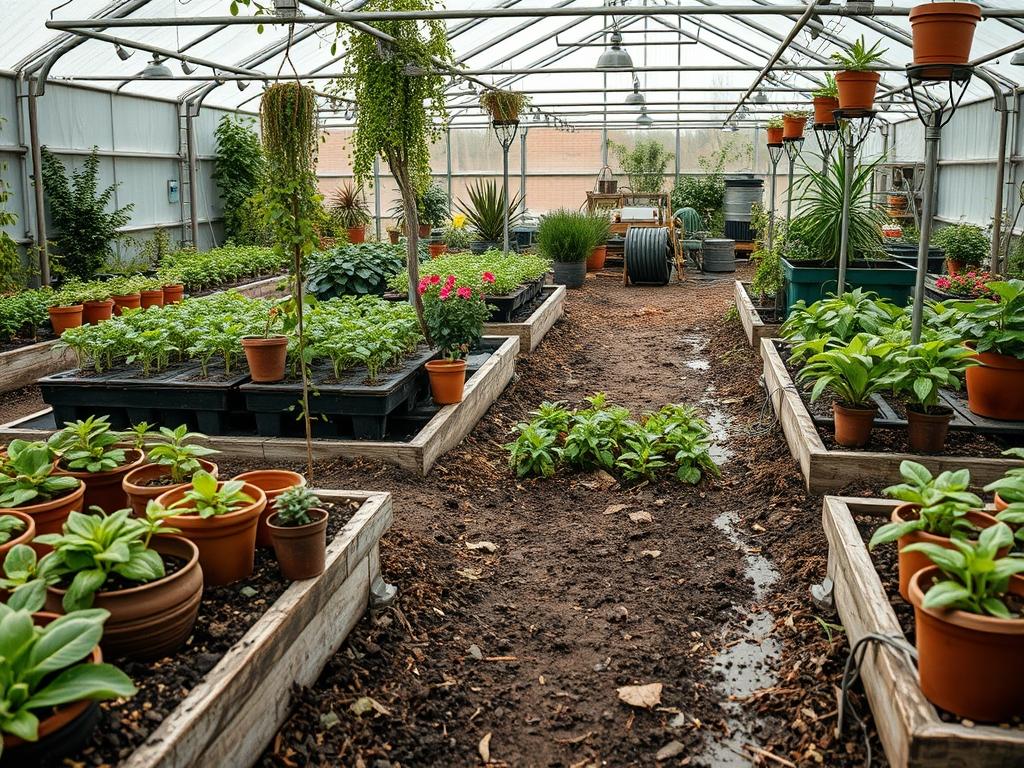
Modern landscape architecture often confronts a hidden crisis that lies beneath the aesthetic surface of manicured turf and ornamental specimens. While many homeowners spend thousands on high end masonry and exotic flora, the underlying geological health of the site is frequently neglected. In new residential developments, the native topsoil is usually scraped away during the grading process, leaving behind a sterile subsoil that lacks the biological complexity required for a thriving ecosystem. This leads to a persistent reliance on synthetic fertilizers, which provide a temporary aesthetic boost but fail to address long term soil vitality. Using Glacial Rock Dust provides a definitive solution to this mineral bankruptcy by reintroducing a complex matrix of trace elements and micronutrients that have been stripped away by erosion, intensive farming, or construction. By treating the soil as a living geological organism rather than just a physical substrate, designers can create landscapes that possess a natural resilience and a visual depth that chemical or synthetic additives simply cannot replicate.
The integration of mineral supplements into a project impacts every facet of the outdoor environment, from the vividness of the leaf color to the structural integrity of the root systems. Curb appeal is significantly enhanced when plants exhibit the deep greens and vibrant blooms that only a mineral rich soil can provide; meanwhile, the functionality of the outdoor living space is maintained through more robust, drought resistant turf. When we consider the challenges of shifting climates and unpredictable rainfall, the role of soil mineralization becomes even more critical. Minerals such as potassium, magnesium, and calcium act as the building blocks for plant cellular walls, allowing them to withstand the thermal stress of peak summer and the desiccation of winter winds.
Landscape Design Principles
A successful landscape is governed by specific principles that ensure the space feels intentional and balanced. Symmetry and focal points are the primary tools used to guide the eye through a transition from the structured architecture of the home to the fluid forms of the garden. However, visual balance is difficult to maintain if the plant material exhibits uneven growth or chlorosis. By Using Glacial Rock Dust across the entire site, designers ensure a uniform supply of micronutrients, leading to consistent growth rates and foliage density. This consistency is vital for formal hedges, such as Boxwood, where a single nutrient deficient shrub can disrupt the entire aesthetic line of a perimeter planting.
Elevation layers and vertical interest are achieved through the strategic placement of canopy trees, mid level shrubs, and groundcovers. In these multi layered designs, the demand on the soil is immense. A Japanese Maple placed as a focal point in a raised planter requires a different mineral profile than a broad sweep of Creeping Phlox at the base of a stone wall. Incorporating rock dust during the initial planting phase provides a slow release source of over 60 trace minerals, ensuring that every layer of the design has access to the specific elements needed for optimal health. Irrigation planning must also account for soil structure; mineralized soils often have better flocculation, which improves the way water moves through the root zone, preventing the localized drought spots that often plague complex landscape layouts.
Plant and Material Selection
| Plant Type | Sun Exposure | Soil Needs | Water Demand | Growth Speed | Maintenance Level |
| :— | :— | :— | :— | :— | :— |
| Japanese Maple | Partial Sun | Loamy, mineral rich | Moderate | Slow | Medium |
| English Lavender | Full Sun | Well drained, sandy | Low | Moderate | Low |
| Kentucky Bluegrass | Full Sun | Rich in micronutrients | Regular | Fast | High |
| Hostas | Full Shade | Organic, moist | High | Moderate | Low |
| Serviceberry | Full to Part Sun | Slightly acidic | Moderate | Moderate | Low |
| Boxwood | Full to Part Sun | Neutral pH, dense | Moderate | Slow | Medium |
Implementation Strategy
The process of transforming a backyard or garden starts with a comprehensive grading plan to ensure that water moves away from the home foundation. Once the basic topography is established, the soil must be prepared. Using Glacial Rock Dust should occur as early as the soil preparation stage. For general garden beds, apply 2.5 pounds of rock dust per 100 square feet of area. Use a Tiller or a Rotary Hoe to incorporate the powder into the top 6 inches of the soil profile. This ensures that the minerals are positioned exactly where the new root systems will expand.
For hardscaping elements, such as walkways and retaining walls, the intersection between the masonry and the planting bed is a critical point of failure. Proper edging with Steel Edging or Concrete Pavers prevents the migration of mulch and keeps the mineralized soil contained within the root zone. When installing large specimens like Oak or Cedar, the planting hole should be dug at least twice the width of the root ball. Mix the excavated soil with 3 cups of rock dust before backfilling. This creates a mineral rich “halo” around the tree, encouraging roots to push outward into the native soil rather than circling the root ball. Finally, apply a layer of Hardwood Mulch at a depth of 3 inches to regulate soil temperature and prevent the micronutrients from being washed away during heavy rain events.
Common Landscaping Failures
The most frequent mistake in high end landscaping is the failure to address soil compaction. When heavy machinery is used for grading, the soil particles are crushed together, eliminating the air pockets necessary for root respiration. Many installers attempt to fix this by simply adding a thin layer of topsoil and sod, but the underlying compaction remains. Without the addition of mineralizing agents like rock dust, the plants struggle to penetrate the hardpan, leading to stunted growth and poor drainage. Using Glacial Rock Dust helps over time by encouraging microbial activity, which naturally aerates the soil and breaks down compacted layers.
Root overcrowding and improper spacing represent another common failure point. Designers often place plants too close together to achieve an “instant” full look for the client. This creates intense competition for minerals and water. If the soil is already nutrient poor, only the most aggressive plants will survive, leading to a loss of biodiversity in the garden. Furthermore, irrigation inefficiencies often stem from a lack of soil structure. In sandy soils that lack mineral complexity, water drains too quickly for the plants to absorb it. Conversely, in heavy clay, water pools and causes root rot. Mineralizing the soil creates a more balanced texture that holds moisture without becoming anaerobic.
Seasonal Maintenance
Landscape management is a year round commitment that evolves with the seasons. In the spring, focus on revitalizing the beds after the winter thaw. This is the optimal time for a top dress application of rock dust, which can be raked into the existing mulch. This provides a slow release of nutrients as the plants enter their primary growth phase. Check all Irrigation Sprinklers for clogs and ensure that the Pruning Shears are sharpened for early season shaping of deciduous shrubs.
Summer maintenance centers on stress management. As temperatures rise, the minerals provided by the glacial dust help the plants maintain their turgor pressure. Deep watering during early morning hours is essential; however, avoid overwatering, as this can leach soluble nutrients out of the root zone. In the autumn, the focus shifts to preparation for dormancy. Applying a final round of rock dust late in the season allows the minerals to work their way into the soil during the wet winter months, ensuring they are available for the first burst of spring root activity. Winter is the time for structural audits, checking Retaining Walls for shift and planning next year’s additions while the garden is at rest.
Professional Landscaping FAQ
Why should I use rock dust instead of chemical fertilizers?
Chemical fertilizers provide a short term boost of primary nutrients but lack the over 60 trace minerals found in rock dust. Using Glacial Rock Dust builds long term soil structure and supports microbial life which synthetic options can actually harm.
How often should I apply the mineral dust to my garden?
For most residential landscapes, a significant application every two to three years is sufficient. Alternatively, you can apply a lighter top dressing annually during the spring or autumn to maintain a consistent mineral profile in the upper soil layers.
Will rock dust change the pH of my landscape soil?
Glacial rock dust is generally pH neutral or slightly alkaline. It acts as a buffer rather than a radical pH shifter; this makes it safe for a wide variety of plants, from acid loving Azaleas to alkaline preferring Lilacs.
Does rock dust help with lawn health and curb appeal?
Yes, it is excellent for turf. It provides the magnesium and iron necessary for chlorophyll production, leading to a deeper green color. It also strengthens the grass blades, making the lawn more resistant to foot traffic and heat.
Can I use rock dust in my container and pot plantings?
Absolutely. Containers lose nutrients quickly due to frequent watering and leaching. Mixing 1 tablespoon of rock dust per gallon of potting soil ensures that your focal point containers remain vibrant and healthy throughout the growing season.