
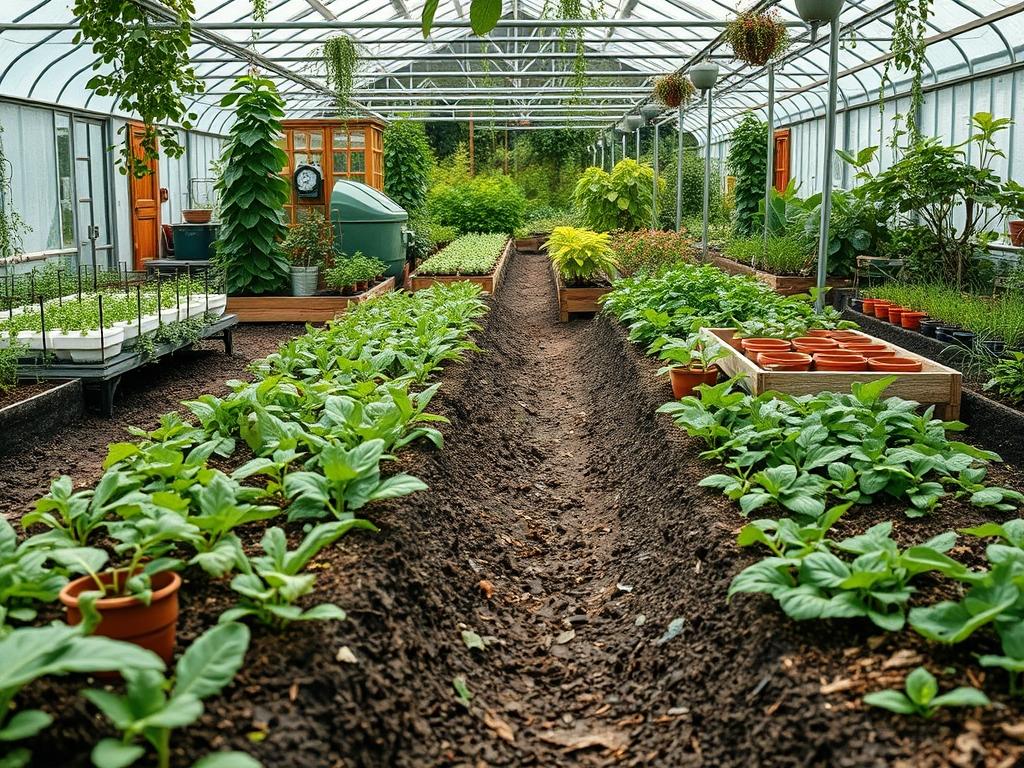
The transition toward organic landscaping represents a fundamental shift in how we perceive and manage the living environment. For modern property owners, achieving a lush, chemical free sanctuary involves more than just swapping synthetic fertilizers for compost. The invisible legacy of previous land management often remains trapped in the earth for decades. Testing for soil pesticides is the primary safeguard for any high end organic project, ensuring that the heavy investment in native flora and hardscaping is not undermined by residual toxicity. When designing a functional outdoor space, we must treat the soil as the primary infrastructure. Just as a builder would not overlook the integrity of a home foundation, a landscape architect cannot ignore the chemical profile of the site. A clean soil profile ensures that the ecosystem services, such as natural pest control and nutrient cycling, function at peak efficiency. This approach enhances curb appeal because healthy, non toxic plants exhibit more vibrant foliage and superior resilience against local climate stressors.
Landscape Design Principles
Successful organic landscape design begins with a deep understanding of site symmetry and visual balance. By establishing clear focal points, such as a sculpted specimen tree or a custom stone water feature, we direct the eye and create a sense of intentionality. However, these focal points are only as strong as the biological health supporting them. Elevation layers are critical in this process. We use terracing and retaining walls to create distinct planting zones, which prevents runoff from potentially contaminated adjacent areas. This structural approach allows for better control over the organic integrity of specific garden beds.
Visual balance is achieved through the repetitive use of textures and colors, but we must also consider the functional balance of the soil. When planning walkways, we utilize permeable materials like decomposed granite or flagstone set in sand rather than solid concrete. This allows the earth to breathe and supports the subterranean life forms that thrive in an organic system. Irrigation planning must be precise. We design zones based on the moisture requirements of specific plant groupings, ensuring that water does not sit stagnant and leach legacy chemicals from deeper subsoil layers. Proper drainage is the cornerstone of these principles; without it, even the most expensive topsoil can become a reservoir for unwanted pollutants.
Plant and Material Selection
Selecting the right components for an organic site requires a rigorous assessment of biological compatibility and local hardiness. The table below outlines several common selections that thrive in clean, organic environments.
| Plant Type | Sun Exposure | Soil Needs | Water Demand | Growth Speed | Maintenance Level |
| :— | :— | :— | :— | :— | :— |
| Purple Coneflower | Full Sun | Well drained | Low | Moderate | Low |
| Switchgrass | Full to Part Sun | Sandy Loam | Moderate | Fast | Minimal |
| Oakleaf Hydrangea | Part Shade | Rich Organic | High | Moderate | Medium |
| Serviceberry | Full to Part Sun | Loamy/Acidic | Moderate | Moderate | Low |
| Creeping Thyme | Full Sun | Gritty/Poor | Low | Fast | Minimal |
| Little Bluestem | Full Sun | Well drained | Very Low | Slow | Low |
Implementation Strategy
The physical implementation of an organic landscape begins with site grading. This involves shaping the subsoil to ensure that water moves away from building foundations and toward designated rain gardens or collection points. During this phase, we recommend taking multiple soil cores from various depths. Testing for soil pesticides at this stage allows us to identify “hot spots” where chemicals may have accumulated near old fence lines or utility areas. Once the grade is established, we apply a layer of high quality screened compost to kickstart the microbial activity.
Edging is the next step. We use steel edging or pressure treated timber (certified for organic use) to create crisp lines between turf and planting beds. This physical barrier prevents grass roots from encroaching on delicate perennials. For the planting beds themselves, we recommend a 3 inch mulch depth using aged hardwood mulch or pine bark. This layer suppresses weeds without the need for synthetic herbicides and slowly breaks down to feed the soil. When installing hardscape elements like retaining walls, we ensure that the backfill is clean and free of construction debris, which can often be a hidden source of contaminants.
Common Landscaping Failures
One of the most frequent errors in landscape management is the failure to address soil compaction. When soil is squeezed tight by heavy machinery or high foot traffic, oxygen cannot reach the roots, and anaerobic conditions develop. This often leads to root rot, even in plants that are generally hardy. Testing for soil pesticides is particularly important in compacted areas, as chemicals are less likely to leach out and more likely to concentrate in the stagnant soil pores.
Another common pitfall is improper spacing. Many homeowners plant for immediate impact, placing shrubs and perennials too close together. As these plants mature, they compete for nutrients and airflow, leading to fungal diseases that are difficult to manage without synthetic fungicides. Irrigation inefficiencies also plague many sites. Overwatering not only wastes resources but can mobilize residual pesticides in the soil, moving them from the subsoil into the root zones of sensitive organic crops. Lastly, ignoring the root collar depth during planting is a silent killer. Burying the trunk of a tree or the crown of a plant too deep in mulch or soil leads to bark decay and eventual structural failure.
Seasonal Maintenance
The health of an organic site depends on a consistent maintenance rhythm that aligns with the natural cycles of the region.
Spring: This is the time for renewal. We begin by removing winter debris and performing a light pruning on deciduous shrubs. Check the irrigation system for leaks using a pressure gauge. It is also the ideal window for additional soil testing to ensure that the winter thaw has not introduced new pollutants from runoff. Apply a fresh 1 inch layer of compost to all garden beds to provide a slow release nutrient boost as the soil warms.
Summer: Focus shifts to water management and weed suppression. Use a soil moisture meter to verify that deep roots are receiving hydration without saturating the surface. Hand pull any persistent weeds before they go to seed. If you notice any signs of plant stress, do not reach for chemicals. Instead, examine the drainage and check for pest imbalances that usually correct themselves in a healthy organic ecosystem.
Autumn: Preparation for dormancy is key. This is the best time for planting new trees and shrubs, as the cooler air and warm soil encourage root development. Leave some dried seed heads on native grasses and perennials to provide winter interest and a food source for local birds. A final application of mulch can help insulate root systems against the coming hard freezes.
Winter: While the landscape appears dormant, the structural elements require attention. Clean and sharpen all hand pruners and shovels. Monitor for any erosion caused by winter storms and plan for structural adjustments in the spring. Avoid using salt based de icers on walkways, as the runoff will damage the soil chemistry and kill beneficial microbes. Use sand or birdseed for traction instead.
Professional Landscaping FAQ
Why should I test for pesticides before planting?
Legacy chemicals can persist for years, inhibiting the growth of organic plants and killing beneficial soil organisms. Testing ensures your soil can support a healthy, chemical free ecosystem without hidden toxicity.
How does organic soil health affect curb appeal?
Plants grown in clean, nutrient rich soil have stronger vascular systems. This results in more lush foliage, more vibrant floral displays, and a greater ability to withstand heat and drought compared to chemically dependent plants.
Can I convert a chemically treated lawn to organic?
Yes, but it requires a transition period. You must first stop all synthetic applications and conduct thorough testing for soil pesticides. Aeration and heavy applications of organic compost help restore the natural microbial balance over time.
What is the best way to handle persistent weeds organically?
The most effective method is a combination of hand pulling and maintaining a consistent 3 inch mulch layer. For large areas, solarization using clear plastic sheeting can kill weed seeds and pathogens without using harmful sprays.
Is organic landscaping more expensive to maintain?
The initial setup may cost more due to soil remediation and high quality organic amendments. However, long term costs are lower because the landscape becomes self sustaining, requiring less supplemental water and no expensive synthetic chemical treatments.