
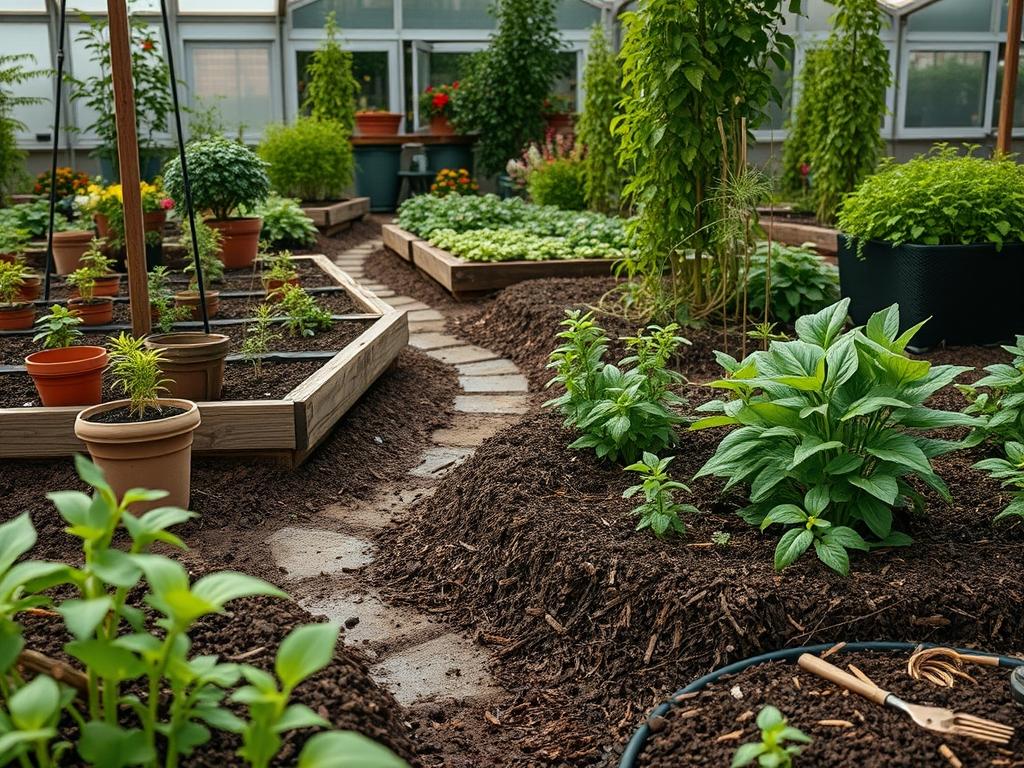
Effective landscape architecture serves as the intersection between aesthetic aspiration and environmental engineering. When homeowners or commercial property managers approach a new design, the focus often gravitates toward the visual impact of flowering perennials or the structural elegance of hardscaped retaining walls. However, the foundational health of a landscape depends heavily on the materials used to cover the soil. Selecting the right organic topcoat is not merely a cosmetic choice; it is a strategic decision that affects moisture retention, soil temperature regulation, and most importantly, integrated pest management. Cedar mulch for pests has become a primary recommendation for sites where termite prevention and insect control are high priorities without sacrificing curb appeal.
The challenge in modern landscaping involves creating a lush environment that does not inadvertently invite structural damage to the home. Traditional bark mulches can sometimes retain too much moisture against a foundation, creating a highway for subterranean termites. Cedar stands apart due to its natural chemical composition. It contains thujone, a volatile organic compound that acts as a natural repellent against moths, carpet beetles, cockroaches, and significantly, certain species of ants and termites. By incorporating this material into a cohesive landscape plan, we can achieve high functionality while maintaining the crisp, manicured appearance that defines professional outdoor spaces.
Landscape Design Principles
A successful landscape design relies on a sense of order and intentionality. When planning the layout of a garden bed, symmetry and focal points act as the anchors for the eye. We often use cedar mulch to create visual contrast against the vibrant greens of Buxus microphylla or the deep purples of Salvia. This material provides a neutral, warm tone that highlights the architecture of the plants. Beyond aesthetics, the principle of layering is essential. We design beds with taller specimens at the rear and smaller groundcovers at the front, using mulch to unify these varying elevations into a singular, balanced composition.
Walkways and circulation also play a role in how we perceive the garden. We design paths that are at least 4 feet wide to allow for comfortable movement, often framing these routes with a 3-inch layer of mulch. This creates a clean edge that separates high-traffic zones from planting pockets. Additionally, visual balance is achieved by matching the mulch texture to the garden style. Fine-shredded cedar works well in formal gardens where precision is required, while larger cedar chips are better suited for rustic or woodland aesthetics. Regardless of the style, the mulch must serve the larger goal of site drainage. We always ensure that garden beds slope away from the primary structure at a minimum of 2 percent grade to prevent water from pooling near the foundation.
Plant and Material Selection
Choosing the right flora to accompany cedar mulch requires an understanding of how these plants interact with the subterranean environment. Cedar is slightly more acidic than some hardwoods, so we select plants that thrive in neutral to slightly acidic soil. The following table outlines high-performance plants that pair effectively with cedar-based pest management strategies.
| Plant Type | Sun Exposure | Soil Needs | Water Demand | Growth Speed | Maintenance Level |
| :— | :— | :— | :— | :— | :— |
| Lavandula angustifolia | Full Sun | Well-drained | Low | Moderate | Low |
| Buxus sempervirens | Full to Part Sun | Loamy/Well-drained | Medium | Slow | Medium |
| Rosmarinus officinalis | Full Sun | Sandy/Gritty | Low | Fast | Low |
| Echinacea purpurea | Full Sun | Diverse/Well-drained | Low | Moderate | Low |
| Acer palmatum | Partial Shade | Slightly Acidic | Medium | Slow | High |
| Pachysandra terminalis | Full Shade | Moist/Organic | Medium | Fast | Low |
When selecting cedar mulch for pests, we prioritize heartwood over sapwood. The heartwood contains higher concentrations of thujone, which provides the repellent properties we seek. Furthermore, we often integrate native plants into our designs because they are naturally adapted to the local climate and require fewer chemical interventions, allowing the cedar to act as the primary biological barrier.
Implementation Strategy
The transition from a design blueprint to a physical garden requires precise execution. We begin by clearing the designated area of all debris and existing weeds using a hula hoe or a square-pointed shovel. Once the soil is bare, we address the grading. It is vital to ensure that the soil level sits at least 6 inches below the top of the foundation or any wooden siding. This gap is a critical defense mechanism against termites, as it prevents their hidden entry through mulch that is piled too high.
After the soil is graded, we install any necessary irrigation systems. Drip irrigation tubing is preferred over spray heads because it delivers water directly to the root zones, keeping the surface of the mulch dry. A dry mulch surface is less attractive to pests and reduces the likelihood of fungal growth. Once the irrigation and plants are in place, we apply the cedar mulch. The ideal depth is between 2 inches and 4 inches. Applying less than two inches will fail to suppress weeds or retain soil moisture, while applying more than four inches can suffocate plant roots and create an overly damp environment that might attract the very pests we are trying to avoid. We use a hard rake to spread the material evenly, being careful to leave a 2-inch gap around the base of every shrub and tree. This prevents trunk rot and discourages insects from nesting against the bark.
Common Landscaping Failures
One of the most frequent mistakes we see in the field is the creation of mulch volcanoes. This occurs when homeowners pile mulch high against the trunks of trees. This practice traps moisture against the bark, leading to rot and providing a sheltered path for wood-boring insects. Another significant failure is poor drainage planning. If a garden bed is designed as a basin without an outlet, even the best cedar mulch will become waterlogged. Saturated mulch looses its pest-repellent efficacy and can actually ferment, changing the soil pH and harming the plants.
Root overcrowding is another issue that arises from improper spacing during the implementation phase. Designers often plant for immediate impact, forgetting how large a Buxus or Ilex will grow in five years. As these plants outgrow their space, they create dense thickets that block airflow. Poor airflow leads to high humidity at the soil level, which is a primary attractant for mosquitoes and gnats. Finally, soil compaction is a silent killer in many landscapes. If a wheelbarrow or heavy machinery is driven over a bed during installation, the soil structure is crushed. This prevents water and oxygen from reaching the roots, causing the plants to stress. Stressed plants release chemicals that signal to pests that they are vulnerable, undermining the protective benefits of the mulch.
Seasonal Maintenance
Landscaping is not a one-time event; it is a continuous management process. In the spring, we recommend a thorough inspection of the mulch layers. As the material decomposes, it enriches the soil, but it also thins out. We typically add a 1-inch refresher layer of cedar mulch to maintain the necessary depth for weed suppression and pest deterrence. This is also the time to prune any dead wood from shrubs using bypass pruners, as dead wood can serve as a nesting site for unwanted insects.
Summer maintenance focuses on irrigation management. During periods of high heat, it is tempting to overwater. However, we monitor the moisture levels beneath the mulch to ensure the soil remains damp but not saturated. In the autumn, the primary task is leaf removal. Allowing a thick layer of dead leaves to sit on top of your mulch creates a perfect habitat for pests to overwinter. Use a leaf blower or leaf rake to clear the beds before the first snow. During winter, landscape maintenance slows down, but it is the perfect time to evaluate the structural elements. We check retaining walls and edging for shifts caused by frost heave, ensuring that the boundaries between the mulch and the lawn remain intact for the coming growing season.
Professional Landscaping FAQ
Does cedar mulch actually kill termites?
Cedar mulch contains thujone, which acts as a deterrent rather than a toxicant. It discourages termites from nesting or feeding in the area. It serves as a preventative barrier but will not eliminate an existing underground colony.
How often should I replace my cedar mulch for pest control?
The aromatic oils in cedar dissipate over time. For maximum pest-repellent benefits, you should refresh the top 1 inch of mulch every year. A full replacement is typically unnecessary as the bottom layers decompose and improve soil health.
Is cedar mulch safe for all types of plants?
Generally, yes. While cedar is slightly acidic, most ornamental plants used in modern landscaping thrive in these conditions. Avoid using it excessively around young seedlings or plants that strictly require highly alkaline soil environments.
Can I use cedar mulch directly against my house?
You should maintain a 6-inch gap between the mulch and the bottom of your siding or foundation. While cedar repels pests, any organic material placed directly against a structure can eventually provide a bridge for moisture and insects.
Will cedar mulch lose its color quickly?
Natural cedar ages to a soft silvery-gray over several months due to UV exposure. If you prefer the original red or blonde tones, you can purchase dyed cedar mulches, though natural heartwood provides the best organic pest-control properties.