
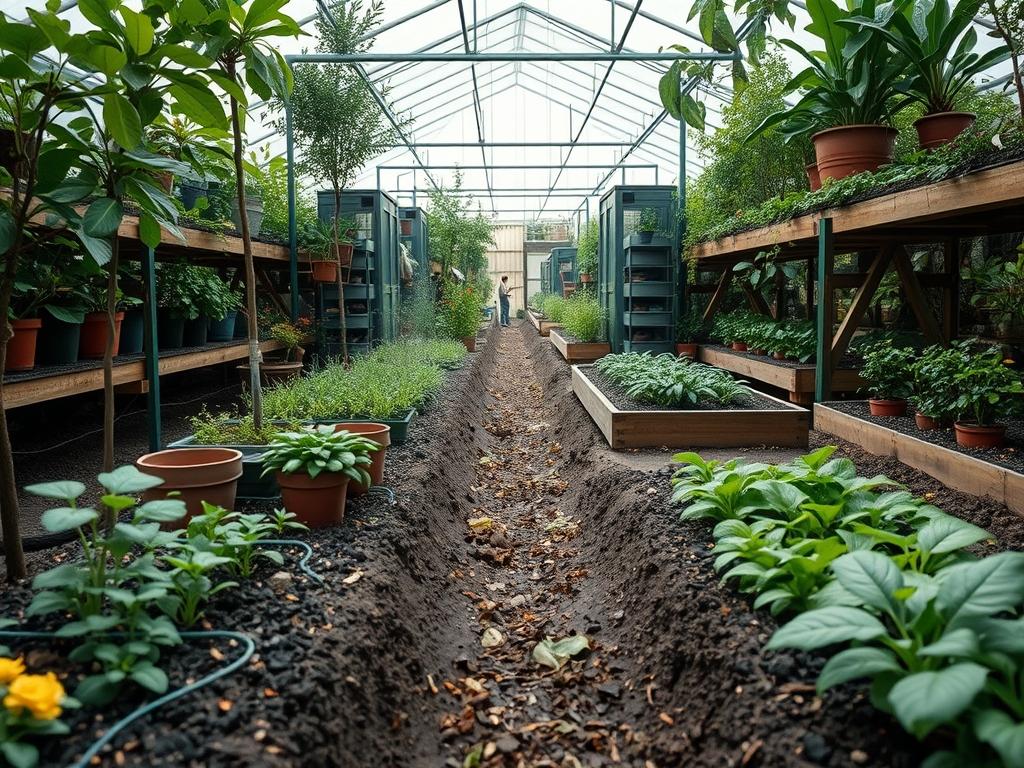
The foundation of a sustainable landscape is frequently hidden from view. While high-end stone finishes and rare botanical specimens capture the eye, the underlying infrastructure determines the longevity of any outdoor investment. When a site suffers from poor water management, the results are catastrophic: soil erosion, root rot, fungal infections, and even structural damage to nearby foundations. Effective subsurface drainage tips prioritize the strategic movement of groundwater away from vulnerable zones, ensuring that the soil remains oxygenated and stable. This unseen system serves as the circulatory system of the property. Without it, even the most expensive garden design will eventually succumb to the stressors of saturation and stagnation.
A professional consultant evaluates the topography first to understand how water naturally migrates across the terrain. Climate plays a significant role in this assessment, as regions with high clay content or heavy seasonal rainfall require more aggressive intervention. By addressing these concerns during the initial design phase, we can integrate drainage solutions that do not detract from the visual harmony of the site. Instead of unsightly plastic pipes or muddy depressions, we utilize sophisticated techniques that blend seamlessly into the garden, maintaining the balance between functional engineering and aesthetic grace.
Landscape Design Principles
Successful design relies on the core tenets of symmetry and visual balance, yet these concepts must be supported by practical elevation layers. A well-planned garden uses focal points to draw the eye, but these features are often placed in areas where water naturally collects. To mitigate this risk, designers use subtle grading to create high points for showcase plants while carving out inconspicuous pathways for water runoff. Irrigation planning must occur simultaneously with this grading process. If the water supply is not synchronized with the drainage capacity of the soil, the garden will struggle with localized flooding.
Walkways and hardscaping act as the skeleton of the outdoor environment. These structures must be installed with a slight cross-slope, typically a 1 percent or 2 percent grade, to ensure water moves off the hard surfaces and into designated collection areas. When planning elevation, professional architects often use retaining walls to create tiered terraces. These tiers provide excellent opportunities for subsurface drainage, as each level can include a hidden perforated pipe and gravel backfill to prevent hydrostatic pressure from building up behind the wall. This layered approach ensures that the garden looks intentional while functioning as a highly efficient hydraulic system.
Plant and Material Selection
The following table outlines high-performance materials and plants that integrate well with the drainage requirements of a professional landscape design.
| Plant Type | Sun Exposure | Soil Needs | Water Demand | Growth Speed | Maintenance Level |
| :— | :— | :— | :— | :— | :— |
| Boxwood | Full Sun to Shade | Well-Drained | Moderate | Slow | Medium |
| Lavender | Full Sun | Sandy/Gravelly | Low | Moderate | Low |
| Oakleaf Hydrangea | Partial Shade | Rich/Moist | High | Fast | Medium |
| Switchgrass | Full Sun | Adaptable | Low | Fast | Low |
| Red Maple | Full Sun | Moist/Acidic | High | Moderate | Medium |
| Hostas | Full Shade | Loamy | Moderate | Fast | Low |
Implementation Strategy
The process begins with a comprehensive site survey using a transit level or laser level to identify the lowest points of the garden. Once the path of least resistance is determined, the primary implementation phase involves trenching. For a standard residential backyard, a trench depth of 18 inches to 24 inches is usually sufficient to intercept the water table. The walls of these trenches should be lined with a high-quality geotextile fabric to prevent fine silt from clogging the system over time. This fabric acts as a filter, allowing water through while keeping the drainage medium clean.
Inside the trench, a 4-inch perforated PVC pipe is laid atop a 2-inch bed of washed river rock or crushed stone. It is vital to ensure the pipe is oriented with the holes facing downward. This orientation allows water to well up into the pipe from below as the ground saturates, moving it quickly toward a designated discharge point such as a dry well or a municipal storm drain. Once the pipe is in place, more crushed stone is added until it covers the pipe by at least 6 inches, followed by the remaining geotextile fabric being folded over the top.
The final layer consists of topsoil and a thick application of hardwood mulch or pine bark. Mulch should be kept to a depth of 3 inches to suppress weeds and retain moisture without suffocating the roots below. Edging materials, such as steel edging or cobblestones, help to define the boundaries between the lawn and the planting beds, further assisting in the direction of surface water toward the subsurface system. This methodical approach transforms a problematic, wet area into a stable foundation for a thriving garden.
Common Landscaping Failures
The most frequent error in garden planning is the failure to account for soil compaction. During the construction of a home or a major renovation, heavy machinery compresses the earth, destroying the natural pore spaces that allow water to infiltrate. This leads to a “bathtub effect” where water sits in a hole because the surrounding soil is too dense to absorb it. Without utilizing subsurface drainage tips like core aeration or the installation of vertical drains, the roots of newly planted trees will literally drown in a stagnant pool of water.
Another common failure is improper spacing and root overcrowding. When plants are placed too close together, they compete for limited resources, and the lack of airflow between them promotes the growth of mold and mildew in damp conditions. Furthermore, many homeowners ignore the eventual size of a tree’s root system. Large roots can shift catch basins or crush flexible corrugated piping if they are installed too close to the drainage infrastructure. Opting for rigid PVC pipes is a more durable solution in areas near significant plantings. Lastly, inefficient irrigation systems that provide too much water in areas with poor natural drainage exacerbate these issues, leading to nutrient leaching and the loss of expensive plant material.
Seasonal Maintenance
Spring is the critical season for inspecting the integrity of the drainage system. As the ground thaws, it is important to check the discharge outlets for any blockages caused by nesting animals or debris. This is also the best time to apply a fresh layer of mulch to prevent soil crusting. In the summer, maintenance shifts toward monitoring the irrigation system. Even a garden with excellent subsurface drainage can suffer if the automated timers are not adjusted for periods of extreme heat or sudden summer thunderstorms.
Autumn requires a diligent focus on leaf management. Leaves that accumulate in valleys or near drainage grates can quickly lead to surface flooding. Clearing these areas ensures that the subsurface pipes can continue to operate at peak capacity during the winter rains. Once winter arrives, the primary goal is protecting the system from frost heave. In colder climates, ensure that pipes are buried below the local frost line to prevent freezing and cracking. By following this seasonal schedule, a homeowner ensures the landscape remains functional and radiant throughout the year.
Professional Landscaping FAQ
How deep should I bury a French drain?
To be effective, most systems should be placed between 18 and 24 inches deep. This allows the pipe to sit below the root zone of most grasses and perennials while effectively intercepting groundwater that would otherwise saturate the topsoil.
Can I use flexible pipe for subsurface drainage?
While flexible corrugated pipe is cheaper, rigid PVC is preferred. PVC is less likely to collapse under the weight of the soil, is easier to clean with a plumber’s snake, and resists damage from intrusive tree roots better than thin plastic.
How do I know if my garden needs subsurface drainage?
If you observe standing water more than 24 hours after a rainstorm, or if your lawn feels spongy and soft underfoot during dry periods, you likely have a drainage issue. Yellowing leaves on moisture-sensitive plants also indicate saturated soil.
What is the best material to cover drainage pipes?
You should use washed 3/4-inch crushed stone or river rock. It is important that the stone is “washed” to ensure no fine dust or silt is introduced into the system, which could eventually clog the holes in your perforated pipe.
Does a drainage system require a permit?
Requirements vary by municipality, especially if you are connecting to a city storm sewer or altering the flow of water toward a neighbor’s property. Always check local building codes and environmental regulations before beginning any major excavation or hardscaping project.