
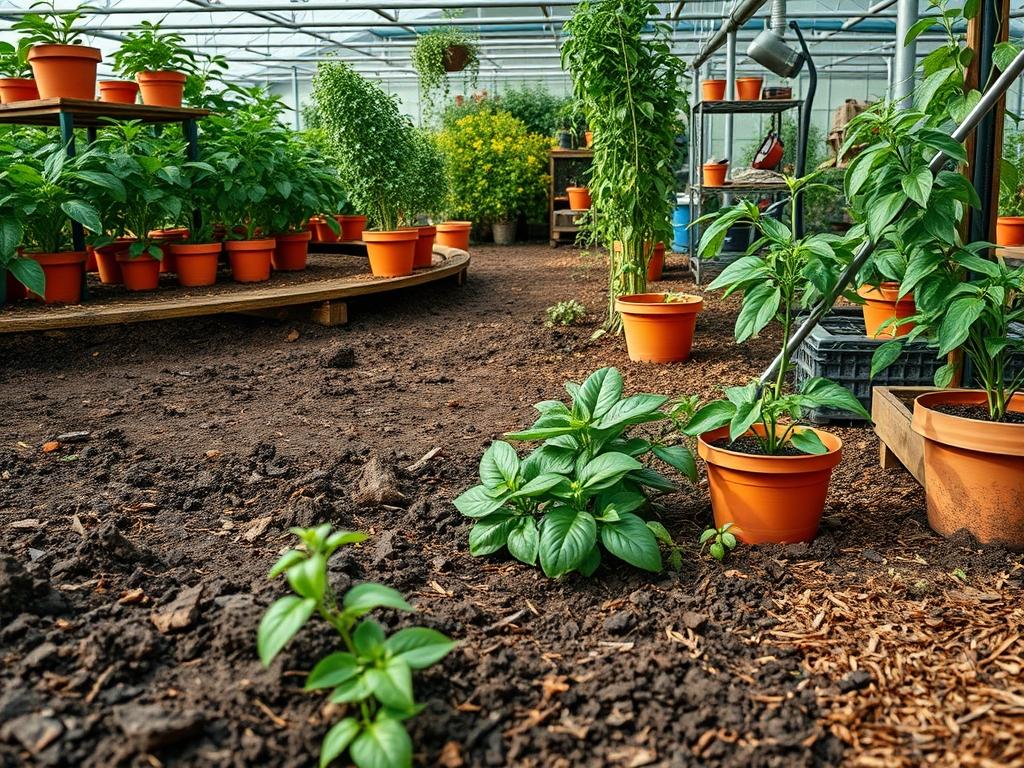
Cultivating high performance peppers requires a sophisticated understanding of the relationship between soil chemistry, thermal mass, and plant physiology. In professional landscape architecture, we view the pepper plant not merely as a vegetable but as a functional element of the outdoor environment that demands specific microclimates to reach its genetic potential. To increase the heat of a pepper, particularly ultra hot varieties like the Carolina Reaper or Ghost Pepper, the environmental designer must curate a soil profile that balances drainage with nutrient density. Pepper heat is primarily influenced by capsaicinoids, which are secondary metabolites produced by the plant as a defense mechanism or in response to specific environmental stressors. Selecting the best soil for peppers involves navigating the delicate line between providing enough nutrients for growth and creating the high drainage, high heat conditions that stimulate capsaicin production.
From a curb appeal and functionality perspective, incorporating peppers into a residential or commercial landscape offers a unique aesthetic. The glossy foliage and vibrant red, yellow, or purple fruits provide a visual pop that rivals many ornamental shrubs. However, the landscaping challenge lies in the fact that peppers require significantly more heat and better drainage than standard turf or ornamental groundcovers. If the soil is too heavy or the site is poorly graded, the plants will struggle with root rot, leading to a lackluster harvest and diminished aesthetic value. A professional installation focuses on site preparation that maximizes solar gain, ensuring the soil remains warm throughout the evening hours. This thermal stability is the foundation of a pungent crop.
Landscape Design Principles
Integrating peppers into a master landscape plan requires a focus on symmetry and focal points. We often utilize peppers as mid level shrubs in a tiered garden design. By placing them behind low growing herbs like Thyme and in front of taller structural plants like Rosemary or Bay Laurel, we create a sense of depth and layered elevation. The use of a Retaining wall is a common strategy in high end landscape design to improve drainage and increase soil temperature. Stone surfaces absorb solar energy during the day and radiate it back into the root zone at night, which is essential for the metabolic processes that produce heat in peppers.
Walkway placement and irrigation planning are equally vital. To ensure easy access for harvesting and maintenance without compacting the soil, we design dedicated paths using Crushed stone or Permeable pavers. Compaction is a silent killer in pepper gardens because it restricts oxygen flow to the roots and prevents the rapid drainage these plants require. Furthermore, visual balance is achieved by grouping peppers according to their fruit color and foliage texture. For instance, the dark, purple tinted leaves of some Habanero cultivars provide a striking contrast against light colored masonry or Sandstone edging.
Plant and Material Selection
| Plant Type | Sun Exposure | Soil Needs | Water Demand | Growth Speed | Maintenance Level |
| :— | :— | :— | :— | :— | :— |
| Habanero | Full Sun (8+ hours) | Sandy Loam | Low to Moderate | Moderate | Medium |
| Thai Chili | Full Sun | Well-Drained Compost | Moderate | Fast | Low |
| Bell Pepper | Full Sun | Loamy Silt | Moderate to High | Moderate | Medium |
| Serrano | Full Sun | Sandy Loam | Low | Fast | Low |
| Ghost Pepper | Full Sun | High Organic Matter | Low/Controlled Stress | Slow | High |
| Epsom Salt | N/A | Soil Amendment | N/A | N/A | Booster |
| Black Mulch | N/A | Thermal Layer | N/A | N/A | Heat Retention |
The best soil for peppers is often found by creating a custom blend. We recommend a base of Sandy Loam mixed with Perlite and Aged Compost. The Sandy Loam provides the structural integrity, while the Perlite ensures that the soil remains aerated. Peat moss or Coconut Coir can be added to manage moisture, but caution must be taken. If the soil stays too wet, the pepper will focus on vegetative growth at the expense of fruit heat. For those looking to maximize pungency, a slightly acidic pH level of 6.0 to 6.8 is the professional standard.
Implementation Strategy
The implementation of a high heat pepper garden begins with site grading. Proper grading ensures that water moves away from the plant stem, preventing collar rot and ensuring that the root system is never submerged. In most professional installations, we recommend a 2 percent grade for garden beds. Once the grade is established, we install raised beds or create mounds that sit 6 to 12 inches above the surrounding terrain. This elevation allows the soil to warm up faster in the spring and facilitates superior drainage.
After the structural elements are in place, the soil profile is constructed. We start with a layer of Landscape fabric at the base if weed suppression is a primary concern, though many architects prefer a natural barrier of Cardboard. The soil mix is then layered, incorporating a 10-10-10 slow release fertilizer or a high Potassium organic blend to support fruit development. Edging is then installed using Steel edging or Beveled stone to define the perimeter and prevent the encroachment of lawn grasses. To finish, a layer of Black plastic mulch or Dark wood chips is applied. The dark color is a functional choice; it absorbs sunlight to elevate the root zone temperature.
Common Landscaping Failures
The most frequent mistake in pepper landscaping is improper irrigation management. Many homeowners use automated systems designed for grass, which provide frequent, shallow watering. This is detrimental to peppers. Overwatering dilutes the concentration of capsaicin in the fruit, resulting in a milder pepper. Instead, a Drip irrigation system should be used to deliver water directly to the roots, allowing the soil to dry out significantly between cycles. This controlled water stress is a known technique for increasing heat.
Another common failure is root overcrowding. Peppers require at least 18 to 24 inches of space between plants to allow for adequate air circulation. Without this spacing, humidity builds up around the foliage, leading to fungal issues and poor fruit set. Furthermore, using a soil with too much Nitrogen can be counterproductive. High nitrogen levels encourage the plant to produce massive amounts of green leaves while neglecting the production of flowers and peppers. If the soil is too “hot” with fresh manure, the plant may grow quickly but produce fruits with very little heat.
Seasonal Maintenance
Spring is the time for site preparation and soil testing. Before any planting occurs, we recommend using a Soil test kit to check the pH and nutrient levels. If the soil is too alkaline, sulfur can be added to bring the pH down. As the temperature rises in summer, the focus shifts to mulch maintenance and pest monitoring. Keep an eye out for Aphids or Hornworms, which can defoliate a pepper plant in days. Consistent monitoring ensures that the plant remains healthy enough to put its energy into capsaicin production rather than repair.
Autumn is the peak harvest season. To maximize heat, harvest peppers when they have reached their full color maturity. Leaving the peppers on the vine slightly longer can sometimes increase the heat, but be careful of over-ripening, which can lead to soft spots. In winter, remove all plant debris to prevent the overwintering of pests and pathogens. In colder climates, this is the time to plan for next year’s crop rotation. Peppers should not be planted in the same spot for more than two consecutive years to avoid the buildup of soil borne diseases.
Professional Landscaping FAQ
What is the best soil for peppers to increase heat?
The most effective soil is a well-draining Sandy Loam amended with Aged Compost. This combination ensures high oxygen levels at the root zone and maintains the slightly acidic pH necessary for capsaicin synthesis.
Does soil temperature affect how hot a pepper gets?
Yes, higher soil temperatures generally lead to hotter peppers. Using Black mulch or planting near a Retaining wall helps retain thermal mass, which stimulates the plant’s metabolic pathways and increases the production of spicy capsaicinoids.
How often should I water my peppers for maximum heat?
Use a “soak and dry” method with Drip irrigation. Allow the top 2 inches of soil to dry out before watering again. Controlled moisture stress tells the plant to concentrate its chemical defenses, resulting in a much hotter fruit.
Can I grow hot peppers in pots or containers?
Containers are excellent because they allow for precise soil control and superior drainage. Ensure the pot is at least 5 gallons and use a high quality Potting mix amended with Perlite to keep the roots warm and aerated.
What nutrients are most important for pepper heat?
While Nitrogen is needed for growth, Potassium and Phosphorus are critical for fruit development. Adding a supplement of Magnesium via Epsom Salt can also improve the plant’s overall health and ability to produce concentrated heat.