
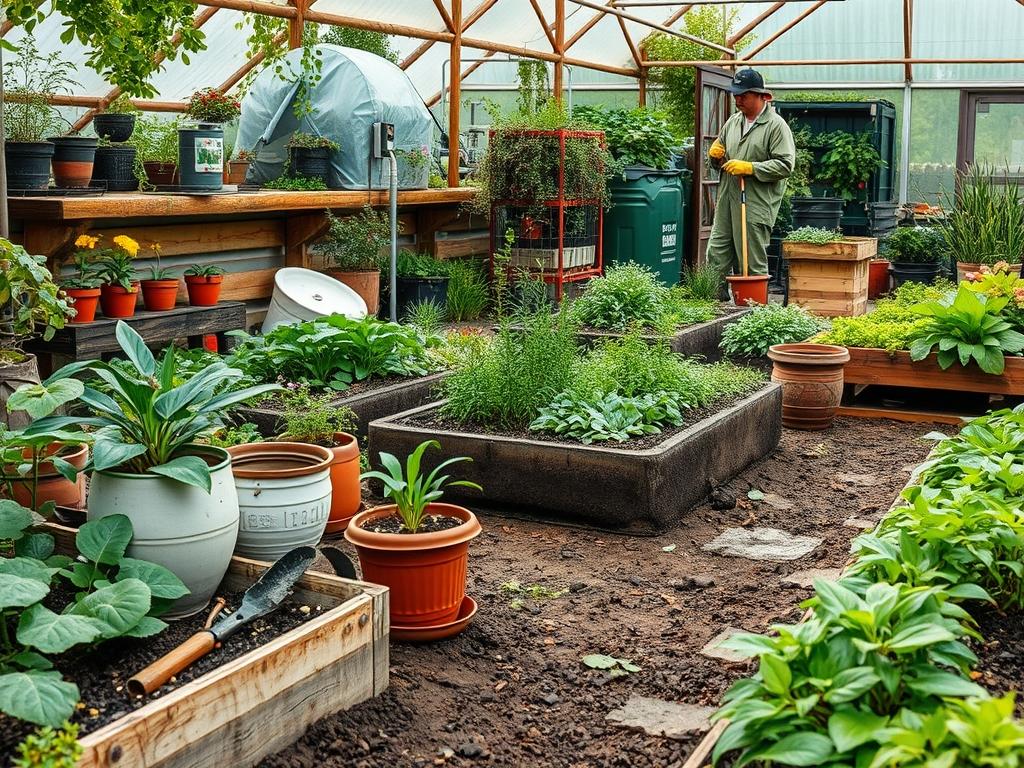
Achieving a balanced outdoor environment requires more than a simple aesthetic eye; it demands an understanding of the complex biological processes occurring beneath the surface. When a homeowner or commercial developer begins a project, the immediate goals usually involve curb appeal and immediate functionality. They look for clean lines, vibrant foliage, and a weed-free finish. However, as professional designers, we must prioritize the long-term health of the ecosystem. One of the most debated tools in our arsenal is the use of geotextiles. Understanding landscape fabric pros and cons is essential because this material fundamentally alters the relationship between the atmosphere and the rhizosphere. While it provides an immediate barrier against invasive seeds, it can also act as a physical ceiling that limits the movement of oxygen and carbon dioxide. Soil needs to breathe to remain aerobic. When air exchange is restricted, the microbial life responsible for nutrient cycling begins to decline, often leading to compacted, lifeless earth that eventually struggles to support the very plants the fabric was meant to protect.
Designing for resilience involves managing the transition between hardscapes and softscapes while ensuring the site remains functional across all four seasons. A modern landscape must handle heavy rain events through proper grading and strategic drainage while offering a sanctuary for the inhabitants. When we discuss landscape fabric pros and cons, we are really discussing the trade-off between labor-intensive maintenance and ecological longevity. For a low-maintenance gravel path, the pros of fabric outweigh the cons. In a nutrient-hungry perennial bed, however, the cons of reduced organic matter integration often suggest that natural wood chips or leaf mold are superior choices. By focusing on the structural integrity of the soil and the functional requirements of the plants, we can create environments that look spectacular on day one and even better in year five.
Landscape Design Principles
Professional landscape design relies on a structured hierarchy of visual and functional elements. Symmetry and focal points serve as the anchors of a site. A focal point might be a mature Japanese Maples specimen, a stone water feature, or a sculptural retaining wall. By placing these elements strategically, we guide the eye through the space, creating a sense of intentionality. Symmetry does not always mean a mirror image; asymmetrical balance can be achieved by counterweighting a large tree on one side with a dense cluster of shrubs and boulders on the other. This prevents the design from feeling lopsided or chaotic.
Elevation layers are equally vital for adding depth to a flat lot. We achieve this depth through the use of raised planters, terracing with limestone slabs, or simply by selecting plants with varying mature heights. Irrigation planning must happen concurrently with the design phase rather than as an afterthought. A well-designed system uses drip irrigation emitters to deliver water directly to the root zone, minimizing evaporation and reducing the likelihood of weed germination in areas without desired plant cover. Walkways serve as the circulatory system of the garden; they should be wide enough for two people to walk abreast, typically at least 48 inches, and constructed from durable materials like flagstone or paver stones. These paths define the boundaries of your planting beds and protect the soil from foot-traffic-induced compaction.
Plant and Material Selection
Selecting the right biological components is the most critical phase of the architectural process. We categorize plants based on their physiological needs to ensure they thrive in their specific microclimates.
| Plant Type | Sun Exposure | Soil Needs | Water Demand | Growth Speed | Maintenance Level |
| :— | :— | :— | :— | :— | :— |
| Common Boxwood | Full Sun to Shade | Well-Drained | Medium | Slow | Moderate (Pruning) |
| Purple Coneflower | Full Sun | Poor to Average | Low | Fast | Low |
| Hostas | Partial to Full Shade | Rich, Moist | High | Medium | Low |
| River Birch | Full Sun | Acidic, Wet | High | Fast | Moderate (Debris) |
| Lavender | Full Sun | Sandy, Gritty | Low | Medium | High (Drainage) |
| Switchgrass | Full Sun | Adaptable | Low | Fast | Very Low |
| Blue Star Creeper | Sun to Part Shade | Moist, Loam | Medium | Fast | Moderate (Thinned) |
Implementation Strategy
The transition from paper to the ground requires a disciplined step-by-step approach. The process begins with site grading, which is the most overlooked aspect of DIY projects. We must ensure that the land slopes away from residential foundations at a minimum of a 2 percent grade. Once the rough grade is established, we install the “bones” of the landscape, including irrigation mainlines, drainage pipes, and conduit for outdoor lighting.
After the infrastructure is subterranean, we focus on edging. High-quality steel edging or pro-tier aluminum edging provides a crisp, permanent border between turf and planting beds. If the design calls for it, we may install non-woven needle-punched landscape fabric under gravel paths to prevent the stones from sinking into the subsoil. However, in planting beds, we often recommend against it or suggest only using a highly permeable version. The next step is the placement of plants, focusing on the spacing requirements listed on professional nursery tags. We dig holes twice as wide as the root ball but no deeper than the existing root flare. After planting, we apply a 3-inch layer of double-shredded hardwood mulch. This mulch serves as a natural weed suppressant while eventually decomposing to feed the soil, unlike synthetic barriers.
Common Landscaping Failures
The most frequent failure we encounter in the field is poor drainage management. When water pools around the base of a plant, it displaces the air in the soil pores, effectively drowning the roots. This leads to root rot and the eventual death of even the most hardy species. Furthermore, root overcrowding often occurs when a designer fails to account for the mature spread of a tree or shrub. Planting a Leyland Cypress too close to a fence or a house wall will lead to structural issues and poor airflow, which invites fungal diseases.
Improper spacing and soil compaction are silent killers of curb appeal. If a heavy skid steer or tractor is driven over a planting area repeatedly during construction, the soil structure is crushed. This compaction limits oxygen availability, which brings us back to why landscape fabric pros and cons are so vital to understand. If a homeowner places heavy plastic or low-quality fabric over compacted soil and then layers heavy mulch on top, the soil becomes anaerobic. Similarly, irrigation inefficiencies, such as over-spraying onto sidewalks or watering during the heat of the day, waste resources and promote surface-level root growth, making plants less drought-tolerant.
Seasonal Maintenance
A professional landscape is a living entity that requires curated care throughout the year. In the spring, the focus is on “waking up” the garden. This includes pruning dead wood from hydrangeas, applying a slow-release top-dress fertilizer, and refreshing mulch layers. It is also the time to inspect irrigation valves and clear any clogs from emitters.
Summer maintenance revolves around water management and deadheading. As temperatures rise, monitoring soil moisture with a probe ensures that deep-rooted plants get the hydration they need without overwatering. Autumn is the season for soil building. Instead of removing all fallen leaves, we often recommend shredding them with a mower and leaving them in the beds to provide insulation and nutrients. This is also the best time to plant new trees, as the cooler air and warm soil encourage root establishment. In winter, the primary task is protection. We use burlap wraps for sensitive evergreens and ensure that heavy snow is gently cleared from branches to prevent breakage. Dormant pruning of deciduous trees should also occur in late winter to prepare for the spring growth flush.
Professional Landscaping FAQ
Do I really need landscape fabric under my mulch?
Landscape fabric is best for stone or gravel areas. Under organic mulch, it often traps fine particles, creating a layer of silt that allows weeds to grow on top of the fabric while suffocating the soil and preventing nutrient recycling.
How deep should my mulch layer be for weed control?
A depth of 3 inches is the professional standard. This is thick enough to block sunlight from reaching weed seeds and to retain soil moisture, but thin enough to allow oxygen to reach the root systems of your ornamental plants.
Why are my plants dying even though I water them daily?
Overwatering is as frequent a killer as drought. Daily light watering encourages shallow roots and can lead to fungal infections. It is better to water deeply and less frequently to encourage roots to grow downward into the cooler, moister subsoil.
What is the best way to handle a steep slope?
Slopes greater than 35 degrees should be terraced using retaining walls or stabilized with deep-rooted groundcovers and jute netting. This prevents erosion and allows water to soak into the hillside rather than running off and wasting nutrients.
When is the best time to install a new irrigation system?
The ideal time is during the initial site clearing before any plants or sod are installed. This allows for the most efficient trenching and ensures that the system layout is perfectly tailored to the specific water needs of your new landscape design.