
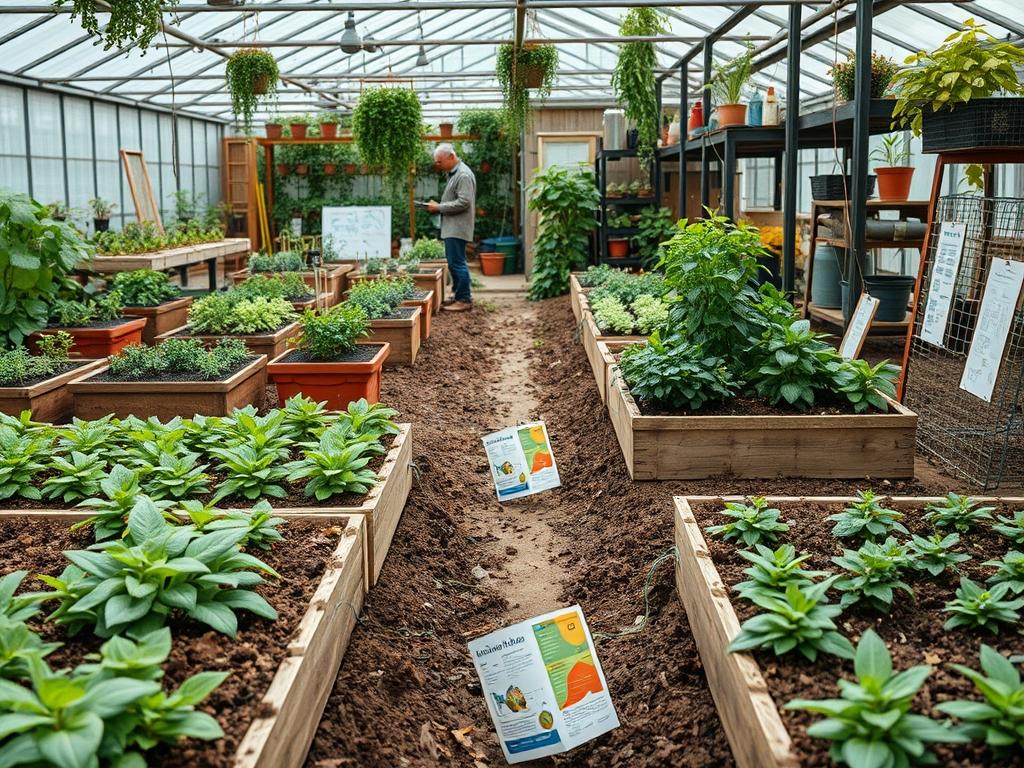
Every successful landscape project begins beneath the surface. While many homeowners and developers prioritize the immediate aesthetic of flowering shrubs or the geometric precision of a tiered retaining wall, the true longevity of a garden depends on microbial health. For those integrating legumes such as Blue False Indigo, Lupine, or even the majestic Eastern Redbud, understanding the biological synergy between roots and specific bacteria is a prerequisite for success. This is where soil inoculant benefits become a critical component of the initial site preparation. By introducing specialized Rhizobium bacteria into the planting zone, we transform the soil from a stagnant medium into a functional, living powerhouse. This is particularly vital in modern residential developments where heavy grading and the use of compacted fill dirt have stripped the native biological activity from the earth. Professional curb appeal is not merely about the final bloom; it is about establishing a self-sustaining ecosystem that thrives with minimal chemical intervention through proper site analysis and biological fortification.
Incorporating legumes into a professional landscape plan serves a dual purpose. These plants are nitrogen fixers, meaning they possess the unique ability to draw nitrogen from the atmosphere and convert it into a form that plants can use for growth. To do this efficiently, however, they require a symbiotic relationship with specific soil microbes. If the soil is sterile or lacks the correct bacterial strains, the plants will struggle, showing signs of chlorosis or stunted development regardless of how much slow-release fertilizer is applied. Utilizing soil inoculant benefits during the installation phase ensures that your legume crops and ornamental species established in the rhizosphere have the tools they need to flourish. This biological approach reduces the need for synthetic nitrates, which often leach into local waterways or cause salt buildup in high-end stone planter boxes.
Landscape Design Principles
When designing a landscape that utilizes legumes, symmetry and focal points must be balanced with the functional requirements of the species. We often use legumes like Kentucky Coffee Trees or Honey Locusts to create elevation layers, providing a light, airy canopy that allows dappled sunlight to reach the understory. This creates a multi-dimensional visual experience, where the height of the trees complements the lower textures of shrubbery and perennial borders. Visual balance is achieved by staggering these nitrogen-fixing anchors with non-leguminous plants, allowing the entire bed to benefit from the enriched soil.
Walkways and circulation paths should be planned to highlight these focal points while maintaining a logical flow through the outdoor space. For instance, a flagstone path might lead to a seating area framed by False Indigo, where the deep blue spikes provide a seasonal color pop. Irrigation planning must also be integrated into the design from the start. We recommend drip irrigation systems for legume-rich beds, as overhead watering can sometimes lead to fungal issues on the foliage of species like American Wisteria. By grouping plants with similar water demands in specific hydrozones, we ensure that the moisture levels remain consistent enough for both the plants and the beneficial bacteria to survive.
Elevation changes also play a significant role in how we apply soil inoculant benefits. In terraced gardens, the placement of legumes on the upper tiers can allow for the natural leaching of nitrogen-enriched organic matter to the lower plant beds. This vertical nutrient cycling is a hallmark of sophisticated landscape architecture. Using boulders and timber edging to define these levels adds structural integrity and visual interest, turning a standard backyard into a structured environment that feels both intentional and wild.
Plant and Material Selection
| Plant Type | Sun Exposure | Soil Needs | Water Demand | Growth Speed | Maintenance Level |
| :— | :— | :— | :— | :— | :— |
| False Indigo | Full Sun | Well-drained | Low | Moderate | Low |
| Eastern Redbud | Part Shade | Loamy | Medium | Fast | Moderate |
| Sweet Peas | Full Sun | Rich Organic | High | Very Fast | High |
| White Clover | Full Sun/Shade | Versatile | Medium | Fast | Low |
| Lupine | Full Sun | Sandy/Acidic | Medium | Moderate | Moderate |
| Wisteria | Full Sun | Deep Loam | Medium | Very Fast | High |
Implementation Strategy
The transition from a design on paper to a physical landscape requires a meticulous implementation strategy. First, we address the grading of the site. Proper drainage is the most important factor in plant health; water should always move away from the home foundation and hardscape structures at a minimum slope of 2 percent. If the soil is heavy clay, we incorporate expanded shale or coarse sand to improve macropores before any planting occurs.
Once the grade is set, we move to the layout of the garden beds. Using a landscape edger or a flat-head spade, we create clean lines that separate the turf from the planting zones. Before the legumes are placed in their respective holes, the soil inoculant is applied. This can be done via a powder coating on the root ball or a liquid drench during the first watering. The goal is to ensure direct contact between the inoculant and the root system.
After the plants are in the ground, we apply a layer of organic mulch, such as cedar or pine bark, at a depth of 3 inches. This mulch layer serves multiple functions: it suppresses weeds, retains moisture for the bacterial colonies, and eventually breaks down into humus. We avoid “mulch volcanoes” around the base of trees, as this can trap moisture against the bark and invite rot. Finally, the installation of edging materials like steel plating or cobblestone provides the finishing touch that defines the space and prevents the encroachment of lawn grasses into the nutrient-rich legume beds.
Common Landscaping Failures
One of the most frequent failures in professional landscaping is root overcrowding. Designers often place plants too close together to achieve an “instant” full look, forgetting that most species will triple in size within three years. This leads to competition for nutrients and poor air circulation. In legume-heavy gardens, this overcrowding can stifle the air-filling capacity of the soil, negating the soil inoculant benefits by limiting the oxygen available to the microbes.
Another common mistake is ignoring soil compaction. Following the use of heavy machinery or skid steers on a construction site, the ground is often as hard as concrete. Planting directly into this without mechanical aeration or deep tilling ensures that roots will fail to penetrate the lower layers. Furthermore, improper drainage planning often leads to “bathtubbing,” where a planting hole in clay soil fills with water and drowns the plant. Always test the percolation rate before installing expensive specimens. Finally, the overuse of high-nitrogen synthetic fertilizers can actually inhibit the symbiotic relationship between legumes and inoculants, as the plant realizes it does not need to “work” for its nitrogen, leading to a weaker root architecture over time.
Seasonal Maintenance
Seasonal care is vital for maintaining the aesthetic and biological integrity of the landscape. In the spring, we focus on soil testing and the reapplication of inoculants for annual legumes or new additions. This is the time to check irrigation emitters for clogs and to apply a light layer of compost to boost microbial activity. Pruning should be done according to the specific needs of the species; for example, Eastern Redbuds should be pruned before they leaf out to maintain their structural shape.
During the summer, the primary goal is moisture management. Even drought-tolerant legumes need consistent water during their first two years of establishment. We monitor for signs of stress and adjust the smart irrigation controller based on local weather patterns. Autumn is the season for clean-up and preparation. We leave some leaf litter in the beds to provide winter protection for the soil microbes, but we remove any diseased foliage to prevent pathogens from overwintering. In winter, the focus shifts to “hardscape” inspections. We check retaining walls for shifting due to freeze-thaw cycles and ensure that drainage outlets are clear of debris, protecting the dormant root systems of our carefully planned legume crops.
Professional Landscaping FAQ
How often should I apply soil inoculants to my garden?
For perennial legumes, a single application at planting is usually sufficient. For annual flowers or vegetable legumes, re-apply the inoculant each spring to ensure a high population of active bacteria is present in the root zone for the new season.
Can I use the same inoculant for all legume species?
No, different legumes require specific strains of bacteria. For example, the bacteria needed for Sweet Peas differ from those required by Alfalfa or Soybeans. Always check the label to match the inoculant to the specific plant species being installed.
Will nitrogen fertilizer hurt the beneficial bacteria?
Excessive nitrogen can make the bacteria “lazy” because the plant no longer needs to provide sugars to the microbes in exchange for nitrogen. It is best to use a balanced organic fertilizer and rely on the soil inoculant benefits for nitrogen.
What is the best way to store leftover inoculant?
Soil inoculants contain live organisms that are sensitive to heat and sunlight. Store any unused product in a cool, dark place, such as a refrigerator, and ensure the package is sealed tightly to prevent the cultures from drying out or dying.
How do I tell if the inoculant is working?
Carefully dig up a small section of the root system and look for small bumps called nodules. If you slice a nodule open and it is pink or reddish inside, it indicates that the nitrogen-fixing bacteria are active and healthy.