
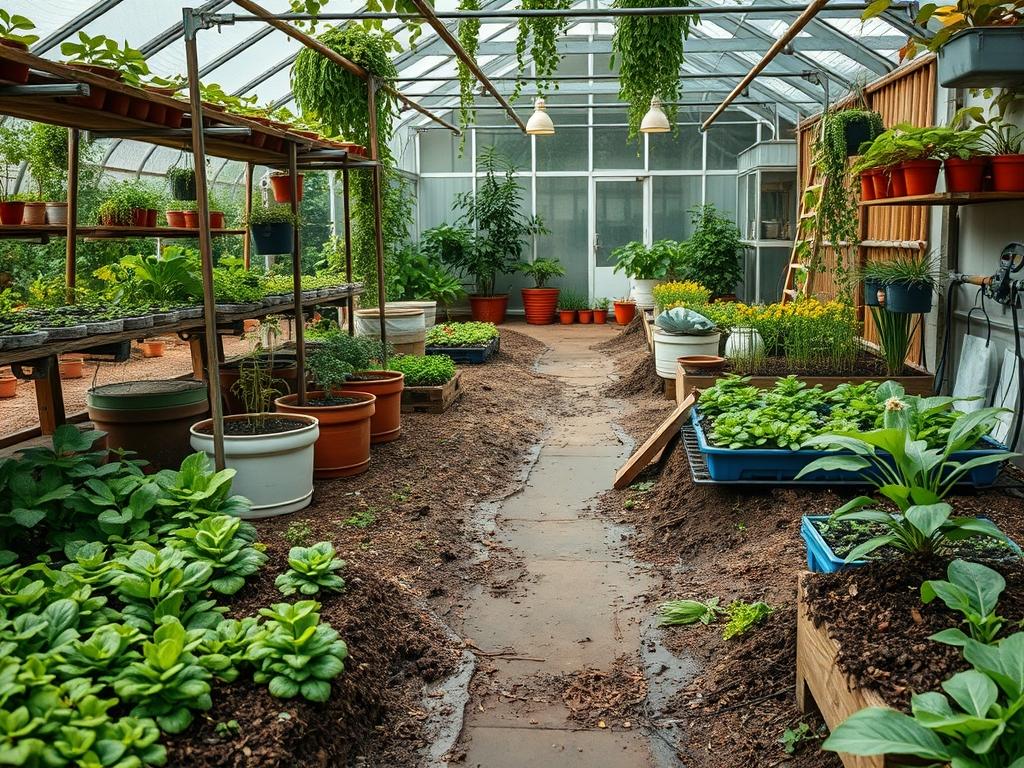
Integrating a productive kitchen garden into a sophisticated residential landscape requires a delicate balance between aesthetic elegance and biological precision. Many homeowners desire the bounty of fresh produce without sacrificing the curated appeal of their outdoor living spaces. Tomatoes, often the centerpiece of such endeavors, present a unique challenge due to their high nutritional demands and specific susceptibility to environmental stressors. One of the most discussed yet misunderstood additives in the horticultural world is magnesium sulfate, commonly known as Epsom salt. Using Epsom Salts Safely within a professional landscape design ensures that these heavy feeders flourish without compromising the chemical integrity of the surrounding soil or the health of neighboring ornamental species.
The primary landscape challenge lies in soil management across varying microclimates. In a well designed estate, the vegetable patch must mirror the health of the formal boxwood hedges and the lushness of the perennial borders. When soil tests reveal a magnesium deficiency, plants exhibit interveinal chlorosis, where older leaves turn yellow while the veins remain green. This visual decline detracts from the curb appeal of the home. Therefore, the application of mineral supplements must be viewed through the lens of long term soil architecture rather than a quick fix. By understanding the role of magnesium in chlorophyll production and phosphorus uptake, a landscape consultant can maintain the vibrant green foliage that defines a high end outdoor environment.
Landscape Design Principles
A professional garden layout hinges on the concept of functional symmetry and visual focal points. When incorporating tomatoes into a landscape, they should not be relegated to a hidden corner but integrated using structural elements that provide vertical interest. Large, Custom Steel Trellises or Cedar Obelisks can serve as focal points within a raised bed system, drawing the eye upward and creating a sense of intentionality. This elevation layering allows for a denser planting scheme where lower tiers are filled with companion plants like French Marigolds or Sweet Basil, hiding the leggy stems of the vines.
Irrigation planning is perhaps the most critical component of a sustainable landscape design. For tomatoes, consistent moisture is mandatory to prevent physiological disorders such as catfacing or cracking. A professional system utilizes Drip Emitter Tubing buried under a layer of Hardwood Mulch to deliver water directly to the root zone. This targeted approach mirrors the philosophy of using Epsom salts, where precision delivery prevents runoff and protects the local watershed. Furthermore, well defined walkways using Flagstone or Decomposed Granite provide stable access for maintenance, ensuring that soil compaction near the delicate root systems is minimized during the harvest season.
Visual balance is achieved by echoing colors and textures throughout the site. The deep green of healthy tomato foliage, bolstered by appropriate magnesium levels, should contrast sharply against architectural elements like Natural Stone Retaining Walls. By maintaining this balance, the vegetable garden becomes a seamless extension of the outdoor living area rather than a utilitarian afterthought.
Plant and Material Selection
The following table outlines the specific needs of common plants used in an integrated edible landscape, highlighting how their requirements intersect with soil management strategies.
| Plant Type | Sun Exposure | Soil Needs | Water Demand | Growth Speed | Maintenance Level |
| :— | :— | :— | :— | :— | :— |
| Tomato (Solanum lycopersicum) | Full Sun | Rich, Loamy | High/Consistent | Fast | High |
| English Lavender (Lavandula) | Full Sun | Gritty, Alkaline | Low | Moderate | Low |
| Boxwood (Buxus) | Full to Part Sun | Well-Drained | Moderate | Slow | Moderate |
| Sweet Basil (Ocimum basilicum) | Full Sun | Nitrogen-Rich | Moderate | Fast | Low |
| Zinnia (Zinnia elegans) | Full Sun | Fertile, Well-Drained | Moderate | Fast | Low |
Implementation Strategy
Planning the backyard layout begins with a detailed survey of the existing topography. Proper Grading is essential to ensure that water moves away from the home foundation while remaining accessible to the garden beds. If the site has a significant slope, the installation of Terraced Retaining Walls can create level planting pockets that prevent the leaching of minerals, including magnesium sulfate, into the lower landscape.
Once the hardscaping is in place, the focus shifts to soil preparation. Using Epsom Salts Safely begins with a professional soil test to determine the actual cation exchange capacity and magnesium levels. If a deficiency is confirmed, a recommended application rate is One Tablespoon of Epsom salt per foot of plant height, diluted in a gallon of water. This should be applied as a soil drench at the time of planting and once more after the first flower set. Avoid overhead spraying during the heat of the day to prevent foliage scorch.
The transition between the garden beds and the surrounding lawn or patio should be defined by clean Metal Edging or Cobblestone. This creates a physical barrier that holds the Triple Mix Soil and Pine Bark Mulch in place. A mulch depth of Three Inches is ideal for regulating soil temperature and suppressing weeds, which compete with the tomatoes for essential nutrients.
Common Landscaping Failures
One of the most frequent errors in landscape management is the bypass of the soil testing phase. Homeowners often apply Epsom salts based on hearsay, leading to an overabundance of magnesium in the soil. This creates a secondary problem known as nutrient antagonism. High levels of magnesium can block the uptake of calcium, which is the primary cause of blossom end rot. In this scenario, the very supplement intended to help the plant actually induces a structural failure in the fruit.
Another failure involves improper drainage and soil compaction. When Heavy Clay Soil is not properly amended with organic matter, it retains too much water, suffocating the roots. This leads to root rot regardless of the mineral content. Similarly, root overcrowding occurs when plants are spaced too closely for an aesthetic effect, ignoring their mature spread. For indeterminate tomatoes, a spacing of Thirty Six Inches is necessary to ensure adequate airflow and sunlight penetration, which reduces the risk of fungal diseases.
Finally, irrigation inefficiencies, such as using oscillating sprinklers that wet the foliage, can lead to the rapid spread of blight. A professional landscape avoids these pitfalls by prioritizing sub surface irrigation and proper plant spacing from the initial design phase.
Seasonal Maintenance
Landscape management is a year round commitment that evolves with the climate. In the spring, the focus is on soil activation. As the ground warms, clearing old debris and incorporating Compost prepares the beds for the upcoming season. This is the time to apply the initial dose of Magnesium Sulfate if the previous year showed signs of deficiency.
Summer maintenance involves rigorous monitoring of water levels and nutrient uptake. During periods of extreme heat, plants may require more frequent, shallow watering to stay hydrated. Pruning suckers from the Tomato Plants using Bypass Pruners ensures that energy is directed toward fruit production and maintains the clean lines of the garden design.
Autumn is the season for restoration and protection. Once the harvest is complete, removing all spent plant material prevents pathogens from overwintering in the soil. Sowing a cover crop like Winter Rye can help maintain soil structure and prevent erosion. In winter, the focus shifts to the hardscape. Inspecting Retaining Walls and Irrigation Controllers ensures that the skeleton of the landscape remains intact, ready for the cycle to begin again in the spring.
Professional Landscaping FAQ
How do I know if my soil needs Epsom salts?
Look for yellowing between leaf veins on older growth. However, only a professional soil test can confirm a magnesium deficiency. Applying salts without a test can cause a calcium imbalance, leading to more significant plant health issues.
What is the safest way to apply magnesium sulfate?
Dissolve One Tablespoon in a gallon of water and apply it as a soil drench at the base of the plant. This method ensures the roots absorb the minerals evenly and prevents the accidental burning of delicate leaves.
Can Epsom salts improve the flavor of my tomatoes?
Magnesium is a key component of chlorophyll, which enables photosynthesis. While not a direct flavoring agent, a healthy plant with optimal photosynthesis levels produces more sugars, resulting in a more robust and flavorful fruit harvest.
Will Epsom salts harm neighboring ornamental plants?
Most plants tolerate small amounts of magnesium sulfate, but sensitive species may react poorly. Always keep the application targeted to the specific root zone of the tomatoes and avoid broad broadcasting across a mixed perennial garden.
How often should I apply these salts during the season?
In deficient soils, two applications are usually sufficient. One should occur at the time of transplanting to establish roots, and the second should happen after the first blossoms appear to support the heavy demand of fruit development.