
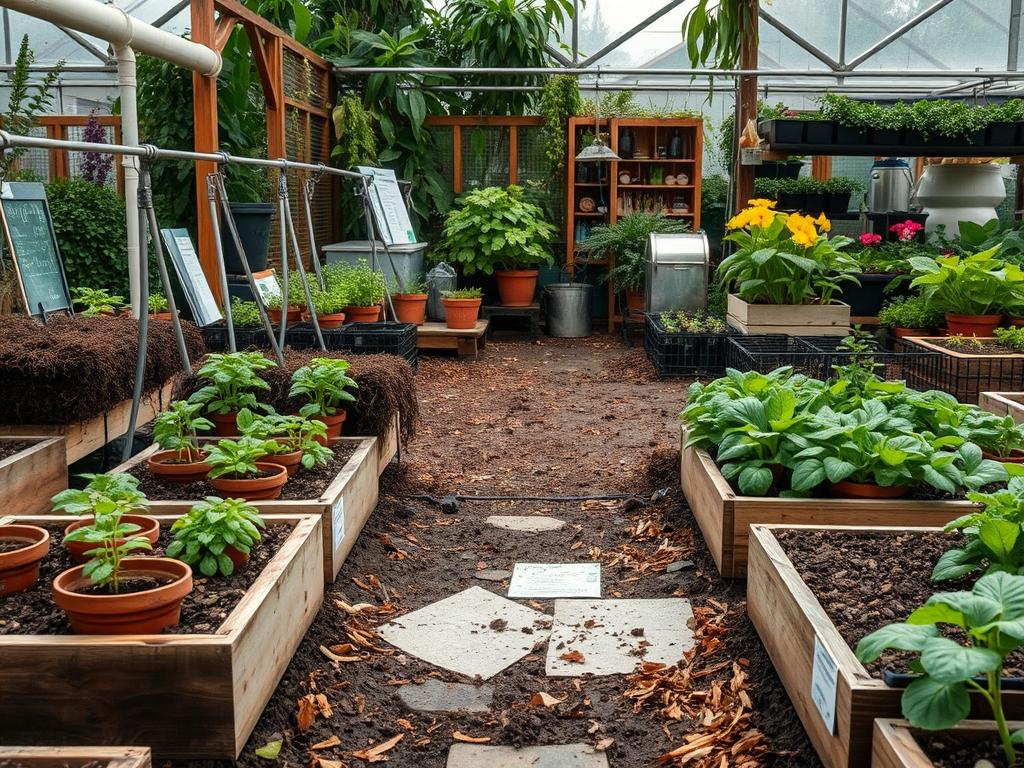
Effective landscape architecture is a delicate balance between artistic vision and biological necessity. When designing an outdoor environment, a consultant must look beyond mere aesthetics to consider the long term health of the soil and the sustainability of the ecosystem. Many homeowners and amateur gardeners are now looking toward closed loop systems to nourish their land, which frequently leads to the question of utilizing household waste like dryer lint for soil amendments. While the concept of recycling household waste is noble, the professional landscape architect must approach this with caution. Composting dryer lint is an effective way to introduce organic matter into your garden beds, but it is a strategy that remains safe only when the source material consists exclusively of natural fibers. Synthetic fibers leave behind microplastics that can compromise soil structure, hinder water infiltration, and negatively impact the microscopic life forms that maintain plant health.
Achieving high curb appeal requires more than just planting a few shrubs; it demands a comprehensive understanding of the climate, the site topography, and the specific needs of the local flora. A site with poor drainage or neglected soil will never produce the lush, vibrant environment that increases property value and provides functional outdoor living space. As a consultant, I prioritize the creation of a resilient foundation. This involves rigorous soil testing and the strategic application of composted materials to improve tilth and water retention. If you choose to include dryer lint in your composting process, you must be certain that your laundry loads consist of 100 percent cotton, linen, or wool. Anything less risks introducing polyester or nylon fragments into your meticulously planned landscape, where they will persist for decades as pollutants.
Landscape Design Principles
Professional design begins with an analysis of symmetry and visual weight. A successful garden uses focal points to guide the eye, whether that is a specimen tree like a Japanese Maple or a structured hardscape element. We often use the rule of thirds to place these focal points, ensuring that the landscape feels balanced rather than cluttered. Elevation layers are equally important. By varying the height of plantings, we create a sense of depth and enclosure. Low lying groundcovers transition into mid sized perennials, which are eventually backed by taller shrubs or decorative fencing. This layering does not just provide visual interest; it also protects the soil from erosion and helps manage moisture levels across different zones of the yard.
Walkways and circulation paths are the skeleton of the landscape. They define how people move through the space and connect various functional zones, such as an outdoor kitchen or a fire pit area. We typically specify materials like natural flagstone or decomposed granite for these paths to ensure durability and permeability. Proper irrigation planning must be integrated into the initial design phase rather than added as an afterthought. We utilize drip irrigation systems to deliver water directly to the root zones, minimizing evaporation and runoff. When organic amendments like natural fiber compost are used, the soil becomes more like a sponge, allowing the irrigation system to operate with much greater efficiency.
Plant and Material Selection
Selecting the right species for your specific microclimate is the difference between a thriving garden and a constant maintenance struggle. Below is a curated selection of plants that respond well to soils enriched with high quality organic compost.
| Plant Type | Sun Exposure | Soil Needs | Water Demand | Growth Speed | Maintenance Level |
| :— | :— | :— | :— | :— | :— |
| Purple Coneflower | Full Sun | Well-Drained | Low | Moderate | Low |
| Oakleaf Hydrangea | Part Shade | Rich, Moist | Moderate | Medium | Medium |
| Little Bluestem | Full Sun | Sandy/Lean | Very Low | Fast | Low |
| Hostas | Full Shade | Organic Rich | Moderate | Medium | Low |
| Switchgrass | Full Sun | Versatile | Low | Fast | Minimal |
| Boxwood | Sun to Shade | Structured | Moderate | Slow | High (Pruning) |
Implementation Strategy
The transition from a design plan to a physical garden requires a disciplined implementation strategy. The first step is always grading. We must ensure that the land slopes away from any permanent structures at a minimum grade of 2 percent to prevent foundation damage and standing water. Once the grade is established, we mark out the beds using flexible steel edging or poured concrete borders to create clean lines and prevent grass from encroaching on the planting zones.
After the structural outlines are set, we focus on soil preparation. This is where your matured compost, potentially containing your natural fiber dryer lint, is integrated. We recommend tilling organic matter into the top 6 to 8 inches of the soil. This depth ensures that the roots of new plantings have immediate access to nutrients. For mulch, we typically apply a layer of hardwood bark mulch or pine needles at a depth of 3 inches. This layer regulates soil temperature and suppresses weed growth while slowly breaking down to further enrich the earth. If you are using composted lint, ensure it is thoroughly mixed with other green and brown materials during the decomposition phase to prevent it from matting together and creating a water repellent barrier.
Common Landscaping Failures
One of the most frequent failures in residential landscaping is improper drainage. When water is allowed to pool near the root ball of a plant, it leads to root rot and eventual death. We often see this in areas where the soil has been heavily compacted by construction equipment or heavy foot traffic. Soil compaction prevents oxygen from reaching the roots and stops water from percolating downward. To fix this, we use core aeration or incorporate coarse organic matter to break up the dense clay particles.
Another common mistake is improper spacing. It is tempting to plant shrubs close together for an immediate full look, but this leads to overcrowding within a few growing seasons. Overcrowded plants compete for light and nutrients, and the lack of airflow promotes fungal diseases. Always research the mature width of a species and space them accordingly. Furthermore, using contaminated compost is a rising concern. If you accidentally include synthetic dryer lint or herbicidal clippings in your compost pile, you can inadvertently poison your garden. Synthetic fibers do not decompose; they fragment and interfere with the delicate capillary action of the soil.
Seasonal Maintenance
A professional landscape requires year round attention to remain in peak condition. In the Spring, the focus is on revival. This involves removing winter debris, applying a fresh 1 inch layer of compost, and pruning any frost damaged limbs. It is also the ideal time to test the irrigation system for leaks and adjust individual emitter heads. As we move into Summer, the priority shifts to moisture management. Deep, infrequent watering is better than shallow daily sprinkling. This encourages roots to grow deeper into the cooler, moister parts of the soil profile.
When Autumn arrives, we prepare the plants for dormancy. This is the best time for planting new trees and shrubs, as the cooler air and warm soil allow roots to establish without the stress of extreme heat. We also recommend a final application of balanced fertilizer to provide essential nutrients for the upcoming winter. During the Winter, maintenance is primarily protective. In colder climates, we use burlap wraps for sensitive evergreens and ensure that mulch layers are thick enough to prevent the soil from heaving during freeze and thaw cycles.
Professional Landscaping FAQ
Is it safe to put all dryer lint in my garden?
No, it is only safe if you dry 100 percent natural fibers like cotton or wool. Synthetic fibers contain plastics and chemicals that do not break down, which will lead to long term soil contamination and poor plant health.
How deep should I apply mulch in my flower beds?
A depth of 3 inches is the professional standard. This is thick enough to suppress weeds and retain moisture effectively without suffocating the root systems of your plants or preventing oxygen exchange with the atmosphere.
What is the best way to improve heavy clay soil?
Incorporate large amounts of organic matter such as well rotted manure or compost. Avoid adding sand alone, as this can create a concrete like consistency. Adding expanded shale can also help improve the aeration and drainage of heavy clay.
Why are my newly planted trees failing to grow?
The most common reasons are planting too deep or overwatering. Ensure the root flare is visible at the soil surface. Use a soaker hose to provide deep hydration twice a week rather than light daily watering.
Can I use lint as a top dressing mulch?
We do not recommend using lint as a top dressing. It can easily blow away or mat together, creating a felt like layer that prevents water from reaching the soil. Always bury it within a compost pile to decompose properly first.