
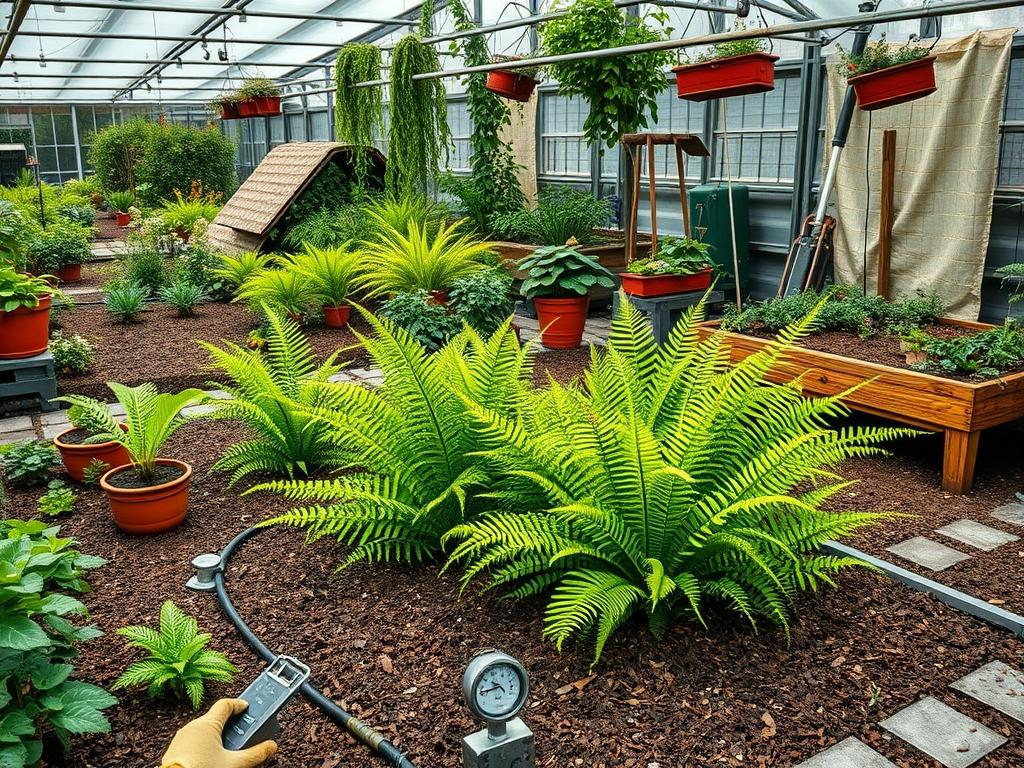
Ferns represent some of the most ancient and architecturally significant elements available to a landscape architect. Their ability to soften harsh hardscaping, fill deep shade voids, and provide a lush, prehistoric aesthetic is unmatched by modern flowering perennials. However, the primary challenge in integrating these plants into a residential or commercial landscape lies in the substrate. To achieve success, the best soil for ferns must replicate the precise biological and physical characteristics of a temperate forest floor. This environment is defined by high organic matter, exceptional drainage, and a consistent moisture profile that avoids the extremes of saturation or desiccation. When a garden fails to thrive, it is rarely a fault of the plant itself; it is usually a failure to understand the soil architecture required to support delicate rhizomatous root systems.
Creating this specialized environment serves both aesthetic and functional goals in a modern landscape. From a curb appeal perspective, a thriving fern gully or a shaded entryway lined with sword ferns communicates a sense of maturity and serenity. Functionally, ferns are excellent for transition zones where structures meet the natural environment. They help manage microclimates by increasing local humidity through transpiration and can even assist in stabilizing soil on gentle slopes when planted in dense drifts. By focusing on the soil as the foundation of the design, we ensure that the outdoor living space remains vibrant and low-maintenance over the long term, rather than requiring constant intervention to stave off decline.
Landscape Design Principles
Successful fern placement requires a deep understanding of visual balance and elevation layers. In a professional landscape layout, we often use ferns to provide the understory layer that sits between ground-covering mosses and taller woody shrubs or canopy trees. Symmetry can be achieved by flanking a formal stone walkway with uniform drifts of ostrich ferns, though a more naturalistic approach often utilizes asymmetrical clusters to mimic the random distribution found in the wild. This visual rhythm creates a sense of movement, leading the eye through the shaded portions of the property.
Elevation is another critical design tool. Because ferns often have horizontal or arching growth habits, placing them on slight rises or behind low retaining walls allows their fronds to drape naturally, creating a tiered effect. This also serves a practical purpose. Proper grading ensures that water moves away from the crowns of the plants, preventing rot while still saturating the root zone. Furthermore, irrigation planning must be integrated into the design phase. A buried drip irrigation system is superior to overhead sprayers, as it delivers water directly to the soil, mimicking the slow percolation of rainfall through a forest canopy and keeping delicate fronds dry to prevent fungal issues.
Plant and Material Selection
Selecting the right species for the specific soil and light conditions of your site is the next step in professional planning. Below is a breakdown of common fern varieties used in high-end landscaping and their specific requirements.
| Plant Type | Sun Exposure | Soil Needs | Water Demand | Growth Speed | Maintenance Level |
| :— | :— | :— | :— | :— | :— |
| Ostrich Fern | Full Shade to Part Sun | Rich, Silty Loam | High | Fast | Medium |
| Maidenhair Fern | Full Shade | High Organic Humus | Constant Moisture | Moderate | High |
| Japanese Painted Fern | Part Shade | Acidic, Well-drained | Medium | Slow | Low |
| Western Sword Fern | Dappled Shade | Rocky, Wood-rich | Low to Medium | Fast | Low |
| Autumn Fern | Part to Full Shade | Loose, Acidic Loam | Medium | Moderate | Low |
| Christmas Fern | Deep Shade | Well-drained, Sandy | Medium | Moderate | Low |
For the material list, professionals should specify a blend of composted leaf mold, coarse sand, shredded pine bark, and perlite. These components ensure the best soil for ferns by providing the “lofty” texture found in forest duff.
Implementation Strategy
Implementing a fern-heavy landscape begins with site grading and soil preparation. You cannot simply dig a hole in existing heavy clay and expect success. First, remove any turf or debris and till the area to a depth of 12 inches. If the existing soil is heavy, incorporate a 3 inch layer of organic amendments to break up the structure. The goal is to create a transition zone that allows roots to penetrate the native soil while sitting in a highly aerated medium.
Once the soil is prepped, use a trenching spade to define clean lines between the fern beds and any lawn or walkway areas. This edging prevents grass from encroaching on the ferns and keeps the loose, forest-style soil from washing away during heavy rain. When planting, ensure the crown of the fern is slightly above the soil line. If buried too deep, the rhizome may suffocate. After the plants are in place, apply a 2 inch layer of hardwood mulch or pine needles. This mimics the natural litter layer of the forest, regulating soil temperature and retaining moisture. Finally, install a dedicated irrigation controller set to provide frequent, short bursts of water, maintaining the “damp but not wet” state that ferns crave.
Common Landscaping Failures
The most frequent error in fern-focused landscapes is poor drainage. While ferns are associated with moisture, they are not aquatic plants. In heavy clay soils, if a planting pocket is created without adequate drainage, it acts as a “bathtub,” trapping water and drowning the roots. This leads to yellowing fronds and crown rot. To avoid this, always test the drainage rate of your site; if water stands in a 12 inch deep hole for more than four hours, you must install an underdrainage system or build raised mounds.
Another common failure is soil compaction. In high-traffic areas, the weight of foot traffic or even heavy maintenance equipment collapses the air pockets in the soil. Fern roots require oxygen to function. If the soil becomes a dense brick, the fern will fail to thrive regardless of how much water it receives. Likewise, improper spacing often leads to overcrowding. While you want a lush look, planting ferns too close together limits airflow, which can invite pests like scale or diseases like botrytis. Always follow the specified mature spread of the species, usually between 18 and 36 inches depending on the variety.
Seasonal Maintenance
Maintaining a professional-grade fern landscape requires a rhythmic approach to the seasons. In the Spring, your primary task is the removal of old, tattered fronds from the previous year. Use sharp hand pruners to cut back dead growth just as the new “fiddleheads” begin to emerge. This is also the ideal time to apply a slow-release, low-nitrogen fertilizer to support the initial flush of green growth.
During the Summer, the focus shifts entirely to moisture management. If a heatwave occurs, increase the frequency of your drip irrigation. You may also need to provide supplemental misting for humidity-sensitive species like the Maidenhair fern. As we move into Autumn, pay close attention to leaf fall. While a little leaf litter is beneficial, a thick mat of heavy maple or oak leaves can smother the crowns. Lightly rake away excess debris, but leave enough to protect the roots from the coming frost. In Winter, most ferns go dormant. If you are in a colder climate, a fresh 3 inch layer of mulch should be applied to protect the rhizomes from “heaving” during freeze and thaw cycles.
Professional Landscaping FAQ
What is the ideal pH for the best soil for ferns?
Most landscape ferns prefer a slightly acidic to neutral pH, typically between 5.5 and 7.0. You can maintain this by adding pine bark or sulfur to your soil mix if your native ground is too alkaline.
Can I use standard potting soil for my outdoor ferns?
While possible, standard potting soil often lacks the structural integrity for long-term outdoor use. It is better to use a professional mix of loam, sand, and compost to ensure the bed does not collapse and lose its drainage capacity.
How do I tell if my ferns are getting too much water?
If the tips of the fronds are turning brown and mushy, or if the base of the plant feels soft, you likely have a drainage issue. Healthy ferns should have firm, vibrant green fronds and soil that feels like a wrung-out sponge.
Should I use gravel at the bottom of the planting hole?
No, this is a common misconception. Adding gravel creates a “perched water table” which actually hinders drainage. Instead, mix your drainage-improving materials, like coarse sand or perlite, thoroughly throughout the entire 12 inch thick planting bed.
How often should I divide my garden ferns?
Most ferns should be divided every 3 to 5 years to prevent overcrowding. This is best done in early spring when new growth is just starting. Use a sharp spade to split the rhizomes, ensuring each section has healthy roots.