
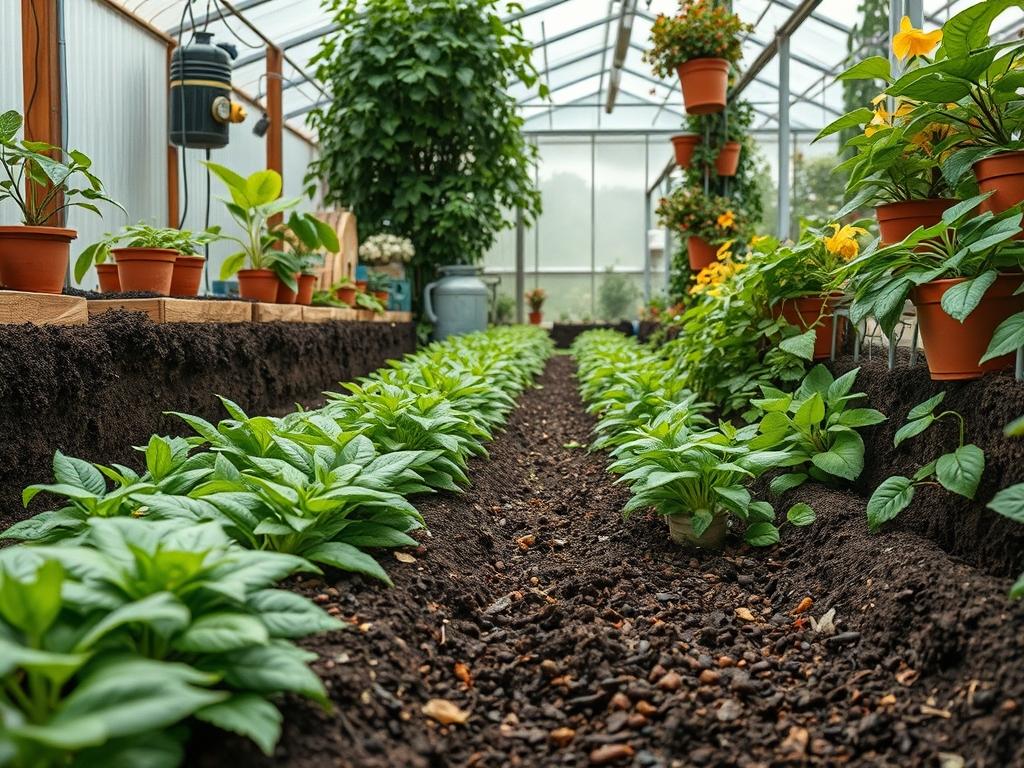
Landscaping is an exercise in environmental engineering where the aesthetic value of a property meets the biological needs of the local ecology. When a landscape architect approaches a new site, the primary challenge is rarely the selection of ornaments; instead, it is the remediation of the soil to support long term growth. Soil health is the silent engine of curb appeal. If the foundation is depleted, even the most expensive boxwood shrubs or ornamental grasses will eventually succumb to stress. Incorporating organic waste streams, specifically through the strategic use of coffee grounds, offers a sustainable method to build tilth and nutrient density. However, this must be handled with professional caution. Raw grounds are highly acidic and can be phytotoxic if applied directly to delicate root systems. To achieve true outdoor functionality, a designer must balance the chemical input of these materials with the structural requirements of the terrain, ensuring that every addition serves the broader goals of drainage, aeration, and aesthetic symmetry.
Landscape Design Principles
Successful landscape design relies on a framework of symmetry and focal points that guide the eye through the environment. When planning a garden that utilizes site-made compost, the placement of the composting zone itself must be handled with architectural intent. It should be screened by evergreen hedges or integrated into a utility corridor that does not disrupt the visual balance of the primary living spaces. Focal points, such as a large Japanese Maple or a custom stone water feature, require stable soil conditions to maintain their prominence. By enriching the surrounding soil with well-rotted coffee grounds, we can ensure these specimens reach their full height and color potential.
Elevation layers are another critical consideration. In a tiered landscape, the transport of nutrients occurs naturally through gravitropic runoff. By placing nutrient-rich beds at higher elevations, the architect allows minor leaching to benefit the lower layers of the garden. This minimizes the need for supplemental fertilization across the entire site. Furthermore, irrigation planning must account for the moisture-retentive properties of organic matter. A soil rich in composted material holds water longer than sandy alternatives; this requires a calibrated approach to drip irrigation timing to prevent root rot in plants that prefer drier conditions. Walkways should be designed to bypass these high-organic areas to prevent soil compaction, which is the primary enemy of gas exchange in the root zone.
Plant and Material Selection
The selection of flora must align with the soil profile modified by your composting efforts. Since coffee grounds provide a significant boost of Nitrogen and a slight increase in acidity, they are best suited for specific plant families.
| Plant Type | Sun Exposure | Soil Needs | Water Demand | Growth Speed | Maintenance Level |
| :— | :— | :— | :— | :— | :— |
| Azalea | Partial Shade | Acidic, Well-drained | High | Moderate | Medium |
| Blueberry | Full Sun | High Acidity (pH 4.5) | High | Slow | High |
| Hosta | Shade | Moist, Rich Organic | Medium | Fast | Low |
| Carrot | Full Sun | Loose, Sandy Loam | Medium | Moderate | Medium |
| Rose | Full Sun | Loamy, Nutrient Dense | High | Fast | High |
| Rhododendron | Partial Shade | High Organic Matter | High | Slow | Medium |
| Hydrangea | Partial Sun | Moist, Fertile | High | Fast | Medium |
When selecting materials for the hardscape, consider how the transition from soil to stone occurs. Natural flagstone or decomposed granite walkways provide a clean contrast to the dark, rich earth produced by high-quality compost. Always match your plant selection to the microclimates created by the retaining walls and house shadows, as these features significantly alter the rate at which organic matter breaks down.
Implementation Strategy
Implementing a professional garden layout begins with precise site preparation. Before any planting occurs, the grading of the land must be verified using a laser level or string level. This ensures that water moves away from the foundation of the home and toward the designated planting zones. To integrate coffee grounds safely, they should be mixed into a compost tumbler or a dedicated compost bin with a 3:1 ratio of “brown” materials like dried leaves or shredded cardboard. This prevents the grounds from clumping together and creating a waterproof barrier.
Once the compost is mature, use a spade or broadfork to incorporate it into the top 6 inches of the soil. This depth is where the majority of feeder roots reside. For new garden beds, define the perimeter with steel edging or boulder borders to prevent invasive turf grass from encroaching. After the plants are installed, apply a layer of wood chip mulch at a 3-inch depth. This mulch protects the microbial life that is currently processing the coffee grounds, keeping the soil temperatures stable and reducing evaporation. If you are working with native plants, ensure the compost is applied sparingly, as many indigenous species have evolved to thrive in leaner soils and may become leggy or susceptible to disease in over-fertilized environments.
Common Landscaping Failures
The most frequent error in using coffee grounds involves the “clumping effect.” When fresh grounds are spread as a thick top layer, they dry into a crust that is nearly impenetrable to water. This leads to severe irrigation inefficiencies and can actually dehydrate the plants you are trying to nourish. Another common failure is improper drainage caused by over-amending heavy clay soils without adding structural components like perlite or coarse sand. This turns the garden bed into a bathtub, leading to anaerobic conditions that smell of sulfur and kill beneficial aerobic bacteria.
Root overcrowding is another risk when homeowners focused on soil health plant too densely. They assume the high nutrient load from the coffee grounds will sustain a higher plant population. However, plants still require physical space for their root architectures to expand. Compaction is also a major concern; walking on beds that have been heavily amended with organic matter crushes the delicate pore spaces needed for oxygen to reach the roots. Professional designs always include designated paths or stepping stones to distribute the weight of foot traffic away from the growing medium.
Seasonal Maintenance
Landscape management shifts with the solar cycle. In the spring, the focus is on soil activation. As ground temperatures rise above 50 degrees Fahrenheit, you can begin side-dressing your nitrogen-hungry plants with a light application of composted coffee grounds. This provides the necessary fuel for the initial flush of green growth. Summer maintenance involves monitoring moisture levels. If the weather is exceptionally hot, do not add fresh grounds, as they can attract fungal gnats or mold in high-humidity environments. Instead, focus on maintaining the mulch layer.
In autumn, the landscape architect views the garden as a collection point for future nutrients. This is the ideal time to build large compost piles using fallen leaves and the summer’s accumulation of coffee grounds. The heat generated by a large pile during the cooling months allows for faster decomposition. Winter maintenance is largely passive; however, you should avoid heavy digging or soil movement if the ground is frozen or waterlogged. This protects the soil structure. In regions with heavy snow, use the dormant season to plan your hardscaping repairs and order new tools such as pruning shears or aerators for the coming year.
Professional Landscaping FAQ
Can I put fresh coffee grounds directly on my lawn?
It is not recommended for professional turf management. Fresh grounds can clump and shade out individual grass blades, leading to brown patches. It is better to top-dress with finely screened compost that contains the grounds for even nutrient distribution throughout the root zone.
How do coffee grounds affect soil pH in the long term?
While fresh grounds are acidic, the composting process tends to neutralize the pH toward a more balanced level. For acid-loving plants, using grounds as a light mulch is beneficial; however, always use a soil test kit to monitor the actual pH levels.
Will coffee grounds keep pests out of my garden design?
There is anecdotal evidence that the abrasive texture and caffeine content deter certain soft-bodied insects like slugs and snails. However, this should not be your only pest management strategy. Integrated Pest Management involves plant diversity and proper drainage to reduce pest pressure.
Are there plants that should never receive coffee grounds?
Avoid using them around succulents or cacti, which require extremely well-draining, lean soils. Similarly, some seedlings can be sensitive to the caffeine remnants in uncomposted grounds, which may stunt their initial growth during the critical germination phase of development.
How often should I add coffee grounds to my compost?
You can add them daily as part of your green material input. Ensure they do not exceed 25 percent of the total volume of the pile. Maintaining a diverse mix of carbon and nitrogen ensures the final product is rich, crumbly, and odorless.