
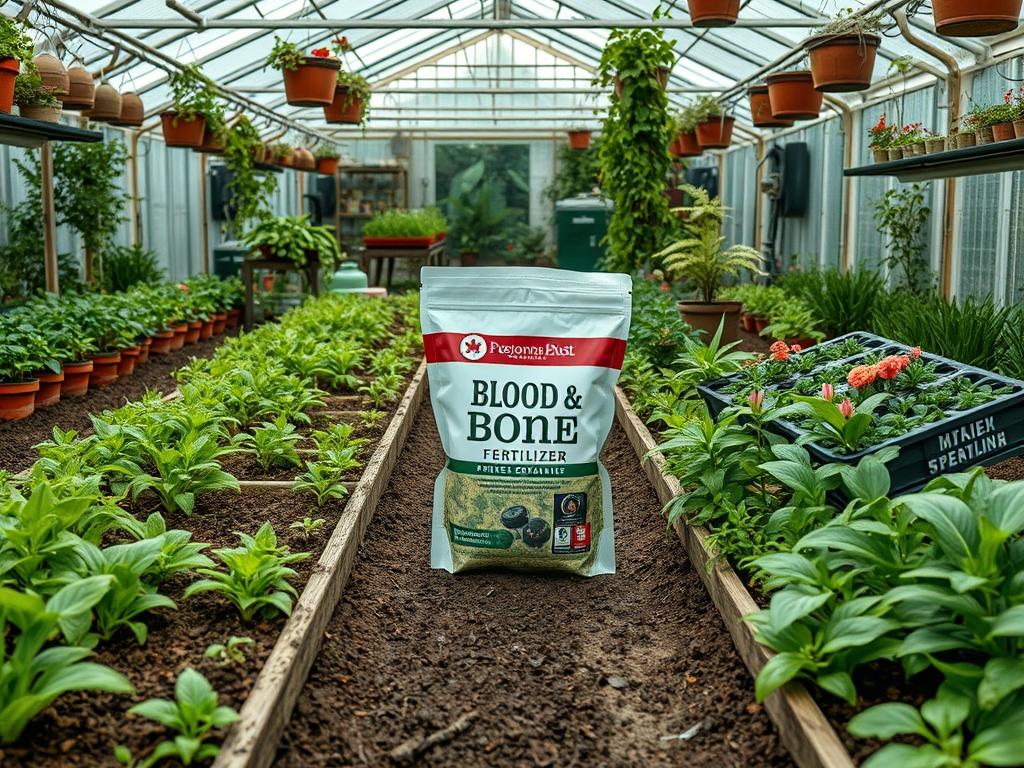
Successful landscape architecture begins long before the first stone is laid or the first sapling is planted; it originates in the strategic assessment of the site’s biological potential. A professional outdoor environment must balance aesthetic aspirations with the practical realities of soil chemistry, drainage patterns, and microclimatic shifts. For many property owners, the pursuit of a lush, vibrant garden feels like a constant battle against nutrient depletion and seasonal stress. This is where the choice of soil amendments becomes the most critical decision in the planning process. While synthetic fertilizers offer a quick, often fleeting chemical surge, professional designers increasingly return to time tested organic foundations. Among these, Blood and Bone Fertilizer remains the definitive all-in-one choice for professionals who demand longevity, structural integrity, and ecological balance. By integrating this organic powerhouse into the initial grading and planting phases, we ensure that the landscape not only looks exceptional upon completion but continues to thrive as it matures over several decades.
Creating a landscape with significant curb appeal requires more than just an expensive selection of Native Plants; it requires a deep understanding of how nutrients move through the ecosystem. In regions where high rainfall or intensive Irrigation systems are present, water soluble nutrients often leach away before the root systems can effectively capture them. This creates a cycle of boom and bust growth that stresses the plants and weakens their resilience against pests. Blood and Bone Fertilizer solves this through its physical composition. The blood component provides an immediate but gentle nitrogen boost for foliage development, while the bone meal provides a slow release of phosphorus and calcium for root architecture and cellular strength. This dual-action delivery system aligns perfectly with the architectural goal of creating a permanent, sustainable outdoor living space that functions as an extension of the home.
Landscape Design Principles
A successful landscape design is anchored by six core principles that transform a simple backyard into a professional grade environment. First, symmetry and balance provide the visual “weight” required to anchor large structures like Retaining Walls or Pergolas. We often use formal hedging to create lines of sight, but these living walls require consistent, non-aggressive feeding to maintain their density. Second, focal points, such as a large Specimen Tree or a custom water feature, guide the eye through the space. These central elements often have the highest nutrient demands, making a balanced organic amendment essential during their establishment.
The third principle is elevation layering. This involves the use of varying plant heights to create depth, moving from low-lying Groundcovers in the foreground to mid-sized shrubs and high canopy trees in the rear. Fourth, we must consider the integration of Walkways and Hardscaping. The soil adjacent to concrete or stone often experiences pH fluctuations and radiant heat stress. Using Blood and Bone Fertilizer in these margins helps maintain a buffered, healthy microbial community that can withstand these localized environmental pressures. Fifth, Irrigation planning must be mapped alongside fertilization; a slow-release organic option ensures that automated watering does not wash away the plant’s food supply. Finally, visual balance is achieved through the repetition of textures and colors, which is only possible when all plants in a specific group receive uniform, high-quality nourishment.
Plant and Material Selection
Selecting the right biological components is as vital as choosing the right building materials. The following table outlines standard selections for a structured professional landscape.
| Plant Type | Sun Exposure | Soil Needs | Water Demand | Growth Speed | Maintenance Level |
| :— | :— | :— | :— | :— | :— |
| Buxus sempervirens | Full Sun to Part Shade | Rich, Well-Drained | Moderate | Slow | High (Pruning) |
| Lomandra longifolia | Full Sun to Full Shade | Variable / Hardy | Low | Fast | Minimal |
| Grevillea species | Full Sun | Sandy, Low Phosphorus | Low | Moderate | Low |
| Lagerstroemia | Full Sun | Deep, Loamy Soil | Moderate | Moderate | Seasonal |
| Dianella caerulea | Part Shade to Full Sun | Well-Drained | Low | Fast | Minimal |
| Trachelospermum jasminoides | Full Sun to Part Shade | Nutrient Dense | Moderate | Fast | Moderate |
When sourcing these materials, the Spade, Steel Rake, and Wheelbarrow are essential tools for site preparation. It is important to note that while Blood and Bone Fertilizer is excellent for most species, some highly sensitive Native Plants (like certain Proteaceae) require low phosphorus versions. Always verify the specific needs of the genus before high-volume application.
Implementation Strategy
The transition from a design blueprint to a physical garden requires a disciplined implementation strategy. The process begins with site Grading. This involves shaping the subsoil to ensure that water moves away from building foundations and toward designated Drainage points or bioswales. Once the grade is established, we focus on soil conditioning. Instead of simply placing plants into existing subsoil, we excavate a planting trench or hole that is twice the width of the root ball. At this stage, incorporating Blood and Bone Fertilizer into the backfill soil provides a localized nutrient reservoir that encourages the roots to expand outward into the surrounding medium rather than circling the pot-shaped hole.
Next, we address Edging and Hardscaping. Installing professional-grade steel or stone edging prevents the encroachment of invasive turf grasses into the curated garden beds. After the plants are positioned according to the layering principles, we apply a 50mm to 75mm layer of high-quality Organic Mulch. This mulch serves three purposes: it suppresses weeds, retains moisture, and provides a secondary source of organic matter as it breaks down. For maximum efficacy, the fertilizer should be applied beneath the mulch layer, in direct contact with the soil surface, to ensure that the soil microbes can begin the decomposition process immediately. This “sandwich” of soil, fertilizer, and mulch creates a self-sustaining nutrient cycle that mimics a forest floor.
Common Landscaping Failures
Even the most expensive landscapes can fail if basic physiological principles are ignored. One of the most frequent mistakes is improper Drainage management. When water pools around the root zone, it displaces oxygen, leading to anaerobic conditions and root rot. No amount of Blood and Bone Fertilizer can save a plant that is effectively suffocating in waterlogged soil. Another common failure is root overcrowding. Designers often plant for “instant impact,” spacing shrubs too closely together. Within three years, these plants compete for the same narrow band of nutrients and light, leading to a decline in overall health.
Soil compaction is another silent killer in new builds. Heavy machinery used during construction compresses the soil, destroying the pore spaces required for air and water movement. Professionals must use a Garden Fork or mechanical aerator to break up this compaction before planting. Furthermore, many amateurs rely solely on high-nitrogen synthetic pellets. While these produce a rapid flush of green growth, they often result in “soft” tissue that is highly attractive to aphids and prone to wind damage. Using a balanced organic approach ensures that the “skeleton” of the plant (supported by the calcium and phosphorus in the bone) grows at the same rate as the “skin” (supported by the nitrogen in the blood).
Seasonal Maintenance
A professional landscape is a living entity that requires different interventions throughout the year. In Spring, the focus is on growth and replenishment. This is the primary window for a heavy application of Blood and Bone Fertilizer to support the massive energy expenditure of new budding and flowering. We also check Irrigation lines for leaks and ensure that emitters are not blocked by mulch or debris.
During Summer, the priority shifts to moisture retention and heat stress management. We avoid heavy fertilization during extreme heat waves, as this can force growth when the plant should be in a defensive, water-conserving state. Autumn is the season for structural reinforcement. A light application of fertilizer during this time helps the plant strengthen its root system and store carbohydrates for the coming dormancy. It is also the ideal time for “deadheading” spent blooms and performing structural pruning on deciduous trees. In Winter, maintenance involves protecting frost-sensitive species and refreshing the Mulch layers. While the garden appears dormant, the bone meal applied in autumn continues to break down slowly, ensuring that the soil is primed for the first signs of warmth in the spring.
Professional Landscaping FAQ
Why use Blood and Bone instead of synthetic fertilizer?
Organic options build long term soil structure and foster beneficial microbial life. Synthetics provide a rapid nutrient spike but can lead to salt buildup, soil acidification, and the leaching of chemicals into local waterways, eventually degrading the planting environment.
Is Blood and Bone safe for all garden plants?
It is suitable for most trees, shrubs, and vegetables. However, some Australian native species are sensitive to the phosphorus found in bone meal. Always use a specialized low phosphorus organic blend for Banksias, Grevilleas, and Waratahs to avoid toxicity.
How often should I apply fertilizer to my landscape?
For a professional result, apply a significant dose in early spring to kickstart growth and a lighter application in early autumn to support root development. Always water the product in thoroughly with a Hose or Irrigation System after application.
How does soil pH affect my fertilizer’s effectiveness?
If the soil is too acidic or alkaline, plants cannot absorb specific nutrients regardless of how much you apply. Use a pH Test Kit to ensure your soil is between 6.0 and 7.0 for optimal nutrient uptake and microbial activity.
Can I apply Blood and Bone on top of mulch?
It is much more effective when applied directly to the soil surface. Doing so allows soil organisms to break down the organic matter efficiently. If mulch is already present, rake it back, apply the fertilizer, and then replace the mulch layer.