
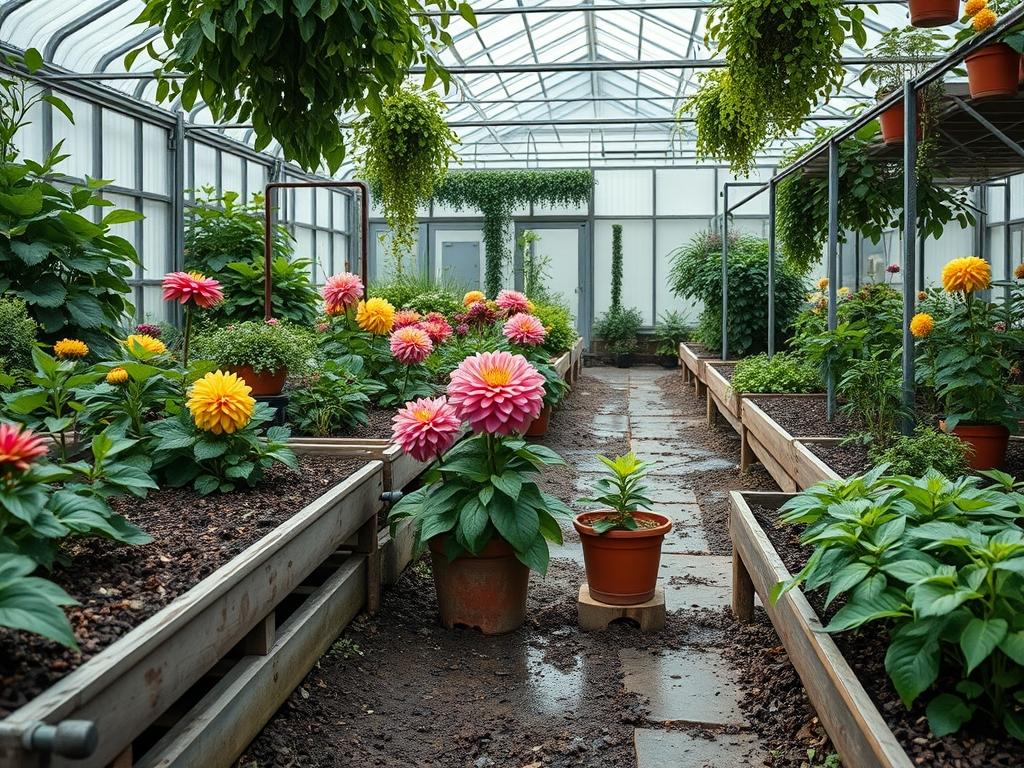
Achieving a masterclass garden display requires more than just aesthetic vision; it demands a rigorous understanding of the subterranean environment that supports high-impact flora. For the landscape architect, the dahlia represents both a triumph of color and a structural challenge. These plants are the heavyweights of the summer garden, producing massive, intricate blooms that can easily reach the size of a dinner plate. However, the success of these showstoppers is entirely contingent upon the substrate. The best soil for dahlias is not a generic topsoil blend, but rather a precision-engineered medium rich in organic matter and specific mineral components like potash. Without this foundation, the architectural integrity of the plant suffers, leading to weak stems, lackluster flowering, and increased susceptibility to fungal pathogens.
Landscape design often prioritizes curb appeal and outdoor functionality, and dahlias serve as the perfect tool for creating seasonal focal points. They offer a range of heights and textures that can transform a flat backyard into a multi-layered environment. Yet, to maintain this visual impact throughout the season, the soil must facilitate rapid growth and intense metabolic activity. High organic content, such as well-rotted compost or leaf mold, ensures that the soil remains friable and well-aerated while retaining enough moisture to prevent stress during the heat of the afternoon. When we discuss professional landscaping, we are looking for sustainability and resilience. A soil rich in potash provides the cellular strength necessary for those long, heavy-headed stems to remain upright against wind and rain, reducing the need for excessive mechanical staking and maintaining a cleaner, more professional appearance.
Landscape Design Principles
Integrating dahlias into a cohesive landscape requires a balance of symmetry and focal point management. Because dahlias come in various forms, from the architectural Cactus Dahlia to the tight geometry of the Pompon Dahlia, they can be used to direct the eye toward specific garden features or to soften the transition between hardscaping and softscaping. Symmetry is often achieved by flanking entryways or garden gates with matched cultivars, ensuring a uniform height and color palette. This creates a sense of formal grandeur that enhances the overall value of the property.
Elevation layers are another critical consideration. In a professional layout, dahlias are positioned according to their mature height, generally placed behind lower-growing perennials or annuals to create a tiered effect. This layering hides the lower stems, which can sometimes become leggy late in the season. Irrigation planning must be integrated into the design phase. Drip irrigation systems are preferred over overhead sprinklers to keep the foliage dry and prevent powdery mildew. Finally, walkways should be wide enough to allow for maintenance and flower harvesting without stepping into the planting beds, which prevents soil compaction and protects the delicate tuberous roots.
Plant and Material Selection
| Plant Type | Sun Exposure | Soil Needs | Water Demand | Growth Speed | Maintenance Level |
| :— | :— | :— | :— | :— | :— |
| Dahlia (Large Decorative) | Full Sun | High Organic / Potash | Moderate to High | Fast | High |
| Salvia (Perennial) | Full Sun | Well-drained / Lean | Low | Moderate | Low |
| Lavender | Full Sun | Sandy / Alkaline | Low | Moderate | Medium |
| Heuchera | Partial Shade | Loamy / Rich | Moderate | Slow | Low |
| Boxwood Hedging | Full Sun to Shade | Neutral / Moist | Moderate | Slow | Medium |
| Cedar Mulch | N/A | Weed Suppression | N/A | N/A | Seasonal |
Implementation Strategy
The transition from a design plan to a living garden begins with rigorous site preparation. Grading is the first step; the site must be surveyed to ensure that water moves away from the dahlia beds. Dahlias are notoriously sensitive to “wet feet,” and standing water will cause tubers to rot within days. If the natural drainage is poor, landscape architects often specify raised beds or the installation of a French drain system below the planting level. This ensures that the root zone remains oxygenated even during heavy seasonal rains.
Once the grade is set, the focus shifts to soil amendment. The best soil for dahlias is created by incorporating a 2-inch to 4-inch layer of organic compost into the existing soil structure. This should be tilled to a depth of at least 12 inches to allow the tubers to expand without resistance. During this phase, a high-potash fertilizer, such as Sulfate of Potash or 0-0-50, is integrated into the mix. Unlike nitrogen, which promotes excessive leafy growth at the expense of flowers, potash strengthens the vascular system and improves water regulation within the plant. Edging is then installed to define the beds and prevent turf grass from encroaching. A 3-inch layer of shredded bark mulch is applied after planting to regulate soil temperature and conserve moisture, though it should be kept a few inches away from the main stem to prevent crown rot.
Common Landscaping Failures
One of the most frequent errors in garden planning is the failure to account for soil compaction. In high-traffic areas or new construction zones, the soil is often compressed by heavy machinery, leaving it devoid of the pore space necessary for root respiration. Dahlias planted in compacted soil will struggle to establish themselves, resulting in stunted growth and a failure to thrive. Professional consultants mitigate this by using broadforking techniques or adding coarse sand and organic matter to “open” the soil structure.
Drainage mistakes are another significant hurdle. Many novices believe that adding more water is the solution to wilting plants, whereas the culprit is often oxygen deprivation in saturated soil. Without proper drainage, the tubers suffocate. Furthermore, improper spacing is a common oversight. While it is tempting to plant dahlias close together for an immediate full look, this leads to poor air circulation and nutrient competition. A spacing of 24 to 36 inches between plants is the industry standard to ensure every bloom has the light and airflow it requires. Lastly, neglecting the potash levels can lead to weak, floppy plants that require constant intervention, undermining the sleek look of a professionally managed landscape.
Seasonal Maintenance
Landscape management is a year-round commitment that changes with the cycles of the environment. In the spring, the primary focus is on soil preparation and planting after the last frost has passed. As the soil warms to at least 60 degrees Fahrenheit, tubers can be set into the ground. This is also the time to apply the first round of balanced fertilizer to kickstart the root development phase.
Summer maintenance revolves around irrigation and deadheading. Consistent moisture is vital, particularly when temperature spikes occur. Applying a liquid seaweed or potash-rich foliar spray every two weeks can bolster the plant’s defenses against heat stress. As autumn approaches, the strategy shifts. In colder climates, dahlias must be lifted before the ground freezes. After the first blackening frost, the stems are cut back to 4 inches, and the tubers are carefully excavated, cleaned, and stored in a cool, dry place. In warmer zones, a heavy application of mulch may be sufficient to protect them. Winter is the time for soil analysis. Professional landscapers use this dormant period to test the soil pH and nutrient levels, adding lime or organic matter as needed to ensure the bed is primed for the following spring.
Professional Landscaping FAQ
Why is potash specifically recommended for dahlia health?
Potash, or potassium, is essential for the synthesis of proteins and carbohydrates. It regulates the opening and closing of stomata, which controls water loss. For dahlias, this results in thicker cell walls and stronger stems that can support heavy floral displays.
Can I achieve the best soil for dahlias using only synthetic fertilizers?
While synthetic fertilizers provide immediate nutrients, they do nothing for soil structure. Organic matter is required to foster a healthy microbial ecosystem, improve drainage, and increase the cation exchange capacity, which allows the soil to hold onto nutrients more effectively.
How deep should I dig the planting hole for dahlia tubers?
Typically, you should dig a hole approximately 6 to 8 inches deep. The tuber is placed horizontally in the hole, and the “eye” or growth point should face upward. Covering it with 4 inches of soil allows the shoot to emerge easily.
What is the ideal pH range for a professional dahlia bed?
Dahlias thrive in slightly acidic to neutral soil, specifically between a pH of 6.5 and 7.0. If the soil is too acidic, nutrients like phosphorus and potassium become chemically locked and unavailable to the plant roots.
How does mulch depth affect the performance of the landscape?
A depth of 2 to 3 inches is ideal. Any deeper can prevent oxygen from reaching the roots and may hide moisture-loving pests like slugs. Too shallow, and the mulch fails to suppress weeds or maintain the consistent soil temperatures dahlias prefer.