
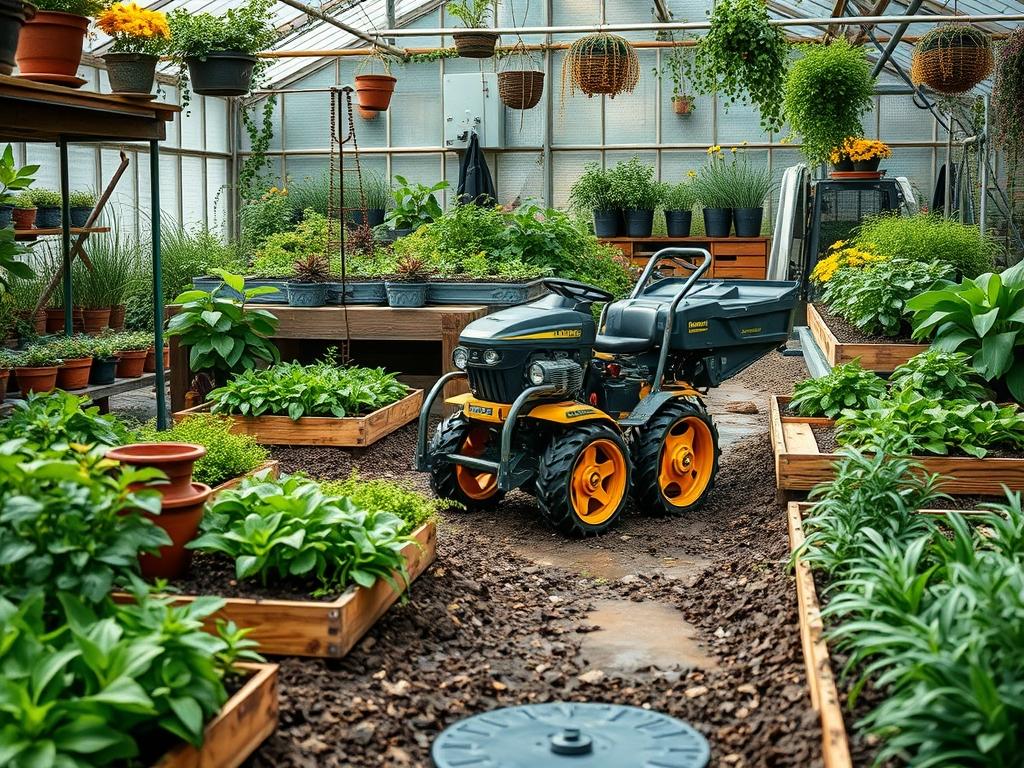
The mechanical disruption of the soil horizon serves as the primary catalyst for deep root penetration and long-term turf health. When considering power tilling for new lawns, a landscape architect views the process not merely as breaking the ground, but as an essential engineering step to ensure proper gas exchange and nutrient mobility. In many urban and suburban environments, the existing substrate is often severely compacted due to heavy machinery or historical foot traffic. This compaction creates a restrictive barrier that prevents roots from accessing subsoil moisture. By utilizing a rear-tine power tiller, a homeowner or contractor can effectively homogenize the soil profile, creating a fluffy, oxygenated bed that facilitates rapid germination and establishment. Successful lawn installation elevates the structural integrity of the entire property; it increases curb appeal while providing a functional cooling effect for the outdoor environment. However, tilling requires a strategic approach to avoid destroying the existing soil structure or bringing dormant weed seeds to the surface prematurely.
Landscape Design Principles
A successful lawn is part of a broader ecological and aesthetic system. When planning the layout before the first bypass of the tiller, one must consider the principle of visual balance and symmetry. The lawn often serves as the “negative space” in a landscape, providing a resting place for the eye between dense plantings or hardscaped architectural features. Focal points, such as a large specimen tree or a sculptural fountain, should be framed by the lawn’s perimeter to create a sense of intentionality.
Elevation layers are equally critical during the initial tilling and grading phase. A flat lawn is rarely the goal; instead, a subtle 1 percent to 2 percent slope away from the home foundation is necessary for moisture management. Irrigation planning must occur concurrently with the design of the lawn’s footprint. Before tilling, a consultant will often flag the locations of PVC lateral lines and pop-up sprinkler heads to ensure the machinery does not sever vital infrastructure. Walkways should be planned to follow natural “desire lines”—the paths people naturally take—to prevent the lawn from being bisected into awkward, difficult-to-mow shapes. By integrating these layers, the lawn becomes a cohesive element that supports the home’s architecture rather than just a patch of green.
Plant and Material Selection
Selecting the right species and soil amendments is the most significant variable in the longevity of the project. The following table outlines standard selections for integrated landscape designs that complement a newly tilled lawn area.
| Plant Type | Sun Exposure | Soil Needs | Water Demand | Growth Speed | Maintenance Level |
| :— | :— | :— | :— | :— | :— |
| Kentucky Bluegrass | Full Sun | Rich, well-drained | High | Moderate | High |
| Tall Fescue | Sun to Part Shade | Clay tolerant | Moderate | Fast | Low |
| Fine Fescue | Shade | Sandy/Low fertility | Low | Slow | Very Low |
| Perennial Ryegrass | Full Sun | Loamy | High | Very Fast | Moderate |
| Boxwood (Border) | Part Sun | Neutral pH | Moderate | Slow | Moderate |
| Creeping Thyme | Full Sun | Well-drained | Low | Moderate | Low |
In addition to the biological components, the material selection for the soil itself is paramount. A high-quality topsoil blend containing 40 percent compost, 40 percent sand, and 20 percent native loam provides the ideal texture for a tilled seedbed. Starter fertilizer with a high phosphorus content should also be considered to stimulate early root development immediately after the tilling process is complete.
Implementation Strategy
The execution of power tilling for new lawns begins with thorough site preparation. First, the area must be cleared of all large debris, including cobblestones, thick roots, and construction waste. It is advisable to use a sod cutter to remove any existing, weed-infested turf rather than tilling it directly into the soil, which can lead to regrowth issues. Once the surface is clear, use a pH testing kit to determine if lime or sulfur is needed to balance the acidity.
The actual tilling should occur when the soil is moist but not saturated. If the soil is too dry, it will turn into a fine dust; if it is too wet, it will form heavy clods that harden into “bricks” upon drying. Set the power tiller to a depth of 6 inches. Make a primary pass in one direction, then follow with a second pass perpendicular to the first to ensure total coverage. After tilling, integrate 3 inches of organic mulch or leaf mold into the top layer.
The next phase is grading and edging. Use a landscape rake to level the surface, filling in low spots where water might pool. This is the time to install steel or heavy-duty plastic edging to create a crisp boundary between the lawn and the garden beds. Once the grade is established, use a water-filled lawn roller to lightly firm the soil. This prevents the “spongy” feel and ensures that seeds or sod make direct contact with the earth.
Common Landscaping Failures
The most frequent mistake in lawn installation is improper drainage. Many people till the soil but fail to address the underlying subgrade. If the tilled layer sits on top of a “hardpan” of undisturbed clay, water will collect at the interface, causing the grass roots to rot. This is often referred to as the “bathtub effect.” To solve this, one must ensure the tiller breaks through the transition zone between the topsoil and the subsoil.
Another common failure is soil compaction occurring immediately after the tilling process. If heavy equipment or high foot traffic is allowed on the freshly tilled ground before the grass has established a root matrix, the benefits of the tilling are lost. Additionally, many homeowners over-till the soil. Over-tilling breaks down the soil aggregates into a fine powder, which subsequently collapses into an impenetrable layer after the first heavy rain. Proper spacing of plants is also frequently ignored; ornamental shrubs planted too close to the lawn’s edge will eventually shade out the grass and compete for the same nitrogen and water resources.
Seasonal Maintenance Management
Effective lawn management requires a calendar-based approach that reacts to the physiological needs of the turf.
Spring: This is the season for revitalization. Focus on core aeration if the soil has settled too much over the winter. Apply a pre-emergent herbicide to prevent crabgrass, but only if you are not planning to overseed. If the previous year’s tilling resulted in uneven settling, use a sand-compost top-dressing to level the surface.
Summer: The primary goal is stress reduction. Irrigation should be deep and infrequent; aim for 1 inch of water per week, delivered in the early morning hours to minimize evaporation. Raise the height of the mower blade to 3.5 inches to shade the soil and protect the delicate root systems established during the tilling phase.
Autumn: This is the most critical window for lawn repair. If the lawn has thinned, light tilling or vigorous raking of bare spots followed by overseeding will yield the best results due to the warm soil and cool air. Apply a high-potassium winterizer fertilizer to strengthen the roots for the coming dormancy.
Winter: Minimize traffic on the lawn to prevent crown damage and soil compaction. Use this time to service gardening equipment, including sharpening the mower blades and changing the oil in the power tiller. Ensure that ice-melt chemicals used on walkways do not leach into the lawn’s edge, as high salt concentrations can kill the grass and ruin the soil structure for years.
Professional Landscaping FAQ
How deep should I power till for a new lawn?
You should aim for a depth of 6 to 8 inches. This ensures adequate space for root expansion and allows you to incorporate organic amendments deep into the soil profile where the roots need them most during drought conditions.
Can I till my lawn if the soil is heavy clay?
Yes, but you must add significant amounts of coarse sand and compost during the process. Tilling clay alone often leads to a more compacted state once it dries; the amendments are necessary to permanently change the soil structure.
Is it better to till or just add topsoil?
Tilling is generally superior because it creates a transition zone between the old and new soil. Adding topsoil on top of hard ground creates a “layered” effect that disrupts water movement and prevents roots from penetrating deep into the earth.
When is the best time of year to power till?
Late summer through early autumn is the ideal window. The soil is usually at the correct moisture level, and the subsequent cooling temperatures are perfect for seed germination and the establishment of new root systems before winter.
How do I know if I have over-tilled the soil?
If the soil has the consistency of flour or fine powder, it is over-tilled. Healthy soil should have small “crumbs” or aggregates. Over-tilled soil will crust over after it rains, preventing air and water from reaching the grass seeds.