
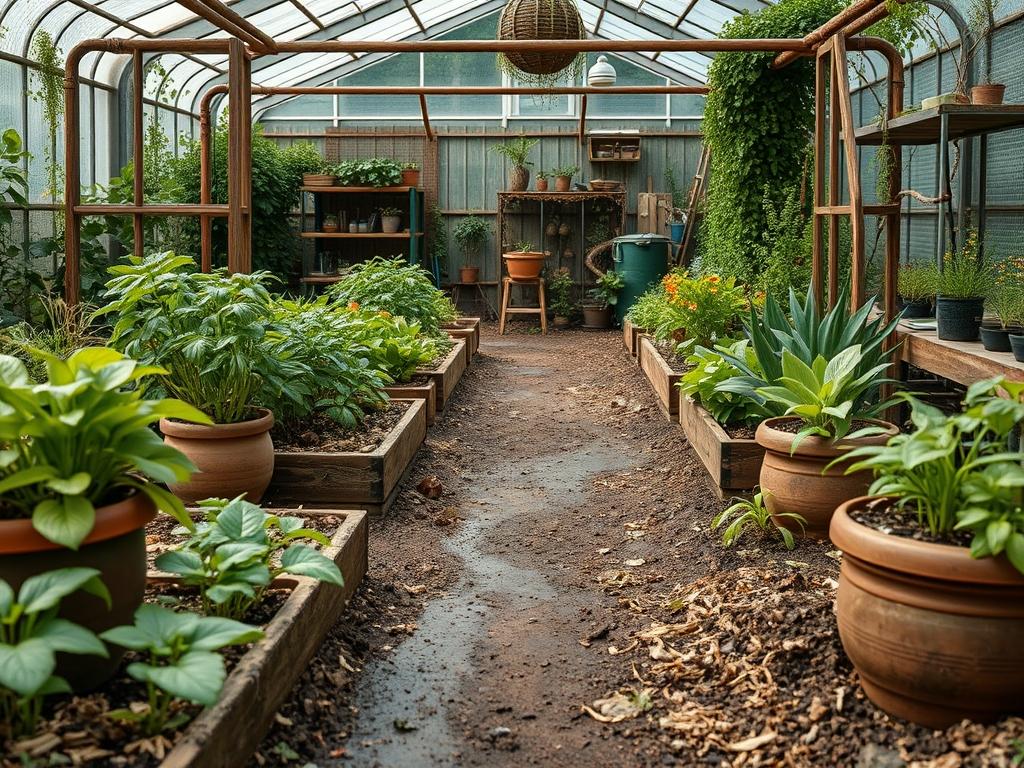
Successful landscape design requires more than just aesthetic symmetry; it demands a deep commitment to soil health and long-term sustainability. For homeowners and estate managers, managing woody waste such as wood shavings and sawdust often presents a significant logistical challenge. While these materials are frequently discarded, they represent a高-value carbon source that can be reclaimed to improve soil structure, water retention, and nutrient cycling within the property. Integrating a systematic approach to composting wood shavings into your outdoor environment planning ensures that your landscape remains vibrant while reducing the need for synthetic fertilizers and imported mulches. This process enhances curb appeal by fostering a lush, resilient garden ecosystem that withstands the rigors of various climate conditions.
The functionality of a professional landscape depends on the invisible work happening beneath the surface. When we consider outdoor living goals, we must address the nutrient density of the soil used in retaining walls, raised beds, and perimeter plantings. Wood waste that has been properly processed through a composting cycle provides a stable form of organic matter that resists rapid decomposition. This longevity is essential for maintaining the elevation and structural integrity of garden beds over several seasons. By transforming raw lumber waste into a nutrient-rich soil amendment, you bridge the gap between industrial waste and high-end horticulture.
Landscape Design Principles
Integrating a compost management zone into a master landscape plan requires careful attention to the principles of symmetry and visual balance. A compost area should never be an eyesore that detracts from a focal point; instead, it should be treated as a utility element with the same design rigor as an outdoor kitchen or a pool house. We often use cedar screening or evergreen hedges like Thuja occidentalis to create “hidden rooms” for material processing. This maintains the clean lines of the site while providing a dedicated space for the carbon-to-nitrogen transformation.
Elevation and layering also play a role in how we manage these materials. Heavily wooded sites or properties with significant carpentry projects generate a volume of sawdust that can be utilized to stabilize slopes or fill the lower layers of hugelkultur mounds. By planning your irrigation and drainage around these zones, you ensure that the high-carbon material receives the moisture necessary for microbial activity without creating stagnant water pools. Proper grading ensures that any runoff from the composting area is filtered through a buffer strip of native grasses before reaching the primary lawn or hardscaped surfaces.
Finally, walkways and access points must be considered during the planning phase. If you are composting wood shavings on a large scale, the path to the compost bin must be wide enough for a wheelbarrow or even a small skid steer. Using materials like crushed limestone or decomposed granite for these paths provides a durable surface that complements the natural aesthetic of a woodland garden. The goal is to make the movement of organic material as efficient as possible, ensuring that the maintenance of the landscape is a streamlined, professional operation.
Plant and Material Selection
The following table outlines plants and materials that pair exceptionally well with the soil outcomes produced by composted wood products. These selections focus on species that benefit from high organic content and improved moisture retention.
| Plant Type | Sun Exposure | Soil Needs | Water Demand | Growth Speed | Maintenance Level |
| :— | :— | :— | :— | :— | :— |
| Highbush Blueberry | Full Sun | Acidic, Rich | Moderate | Medium | High |
| Japanese Maple | Partial Shade | Well-Drained | Consistent | Slow | Moderate |
| Hostas | Full Shade | Organic Loam | High | Fast | Low |
| Oakleaf Hydrangea | Part Sun | Loose, Moist | Moderate | Medium | Low |
| Rhododendron | Filtered Light | Humus-Rich | Moderate | Slow | Medium |
| Switchgrass | Full Sun | Adaptable | Low | Fast | Minimal |
Implementation Strategy
The first step in a professional backyard layout is the establishment of a dedicated composting area that adheres to the 3:1 ratio of carbon to nitrogen. Wood shavings are extremely high in carbon, with a C:N ratio that can exceed 500:1. To prevent nitrogen lockout, where the microbes consume all available nitrogen to break down the wood, you must introduce nitrogen-rich “greens” such as fresh grass clippings, manure, or blood meal. Start by clearing a 4-foot by 4-foot area and ensure the ground is leveled to prevent tipping of the compost structure.
Next, address the drainage and hardscaping surrounding the pile. I recommend a three-bin system constructed from pressure-treated lumber or recycled plastic timber. The first bin is for the initial mixing of wood shavings and nitrogen sources. The second bin is for the active cooking phase where temperatures should reach between 130 and 160 degrees Fahrenheit. Use a compost thermometer to monitor these levels. The third bin is for curing, where the material sits for 3 to 6 months to ensure all wood fibers have softened and the carbon has stabilized.
When you apply the finished product, pay attention to mulch depth and edging. A 3-inch layer of composted wood material acts as an incredible weed suppressant and moisture barrier. Use a spade or power edger to create a clean, vertical cut between the lawn and the planting beds. This provides a professional finish that defines the spaces clearly. Ensure that the compost is not piled against the trunks of trees, as this can lead to bark decay and pest infiltration. Instead, taper the depth as you approach the root flare of your ornamental trees.
Common Landscaping Failures
The most frequent mistake in composting wood shavings is failing to account for the physical density of sawdust. Fine particles can matt together, creating an anaerobic layer that prevents oxygen from reaching the center of the pile. This leads to a foul-smelling, slimy mess rather than a crumbly, earthy amendment. To avoid this, always mix shavings with coarser materials like dry leaves or straw to maintain air pockets. Professional landscapers call this “bulking,” and it is essential for the aerobic bacteria to thrive.
Another failure occurs with irrigation inefficiencies. High-carbon piles can become hydrophobic if they dry out completely. If the wood waste becomes bone-dry, it will repel water, and the composting process will grind to a halt. We often integrate a drip irrigation line directly into the compost system to maintain a consistent moisture level, similar to a wrung-out sponge. Furthermore, avoid using shavings from black walnut or cedar in sensitive areas. Black walnut contains juglone, a natural herbicide that can kill nearby tomatoes or azaleas, while cedar decomposes very slowly due to its natural oils.
Finally, root overcrowding and improper spacing are often exacerbated by the uneven application of woody compost. If the material is not fully cured, the microbes will continue to scavenge nitrogen from the soil, causing your perennials to turn yellow and exhibit stunted growth. This is known as “nitrogen tie-up.” Always ensure the material has a dark, crumbly texture and a pleasant woodsy scent before incorporating it near the root zones of your most prized specimen plants.
Seasonal Maintenance
Seasonal management is the hallmark of a well-curated estate. In the spring, focus on turning the piles that have sat dormant over the winter. This aeration jumpstarts microbial activity as temperatures rise. This is also the ideal time to screen your finished compost through a half-inch mesh to remove any large, undecomposed wood chunks. Apply this “black gold” to your flower beds before the summer heat arrives to protect the soil surface.
During the summer, moisture management is the priority. The high surface area of wood shavings means they can lose water rapidly through evaporation. We recommend covering the pile with a heavy-duty tarp or a layer of burlap to retain internal humidity. In autumn, a fresh influx of fallen leaves provides the perfect nitrogen-balancing agent for the leftover wood waste from summer projects. Mix these leaves thoroughly with your remaining sawdust stocks to prepare a new batch for the long winter decomposition process.
In the winter, composting slows down but does not stop. To keep the pile active in colder climates, increase the volume of the pile. A larger mass retains more internal heat. You can also add “hot” activators like poultry manure to keep the core temperature above freezing. If the pile does freeze, simply leave it alone until the spring thaw. The expansion and contraction of the water during freezing cycles actually helps to break down the tough lignin fibers in the wood, making the resulting compost even finer when the weather warms.
Professional Landscaping FAQ
How long does it take for wood shavings to fully compost?
Depending on the size of the shavings and the nitrogen levels, it typically takes six months to two years. Using a high-nitrogen activator and turning the pile weekly can accelerate this timeline significantly for professional applications.
Specify the best nitrogen source for breaking down sawdust.
Poultry manure or urea are the most effective. Because sawdust has a very high carbon content, you need a concentrated nitrogen source to balance the chemistry and prevent the decomposition process from stalling.
Can I use shavings from treated lumber in my garden?
No. Never use shavings from pressure-treated lumber, plywood, or MDF. These contains chemicals, glues, and resins like arsenic or formaldehyde that can leach into the soil and harm your native plants and soil biology.
Will composting wood shavings change the pH of my soil?
Fresh wood can be slightly acidic, but the final composted product is usually near neutral. Adding dolomitic lime during the composting process can help stabilize the pH if you are working with large quantities of conifer or pine shavings.
Should I wear protective gear when handling fine sawdust?
Yes. When moving large volumes of dry sawdust, always wear a dust mask and eye protection. Fine particles can be a respiratory irritant, and certain woods like oak or cedar can cause allergic reactions during prolonged exposure.