
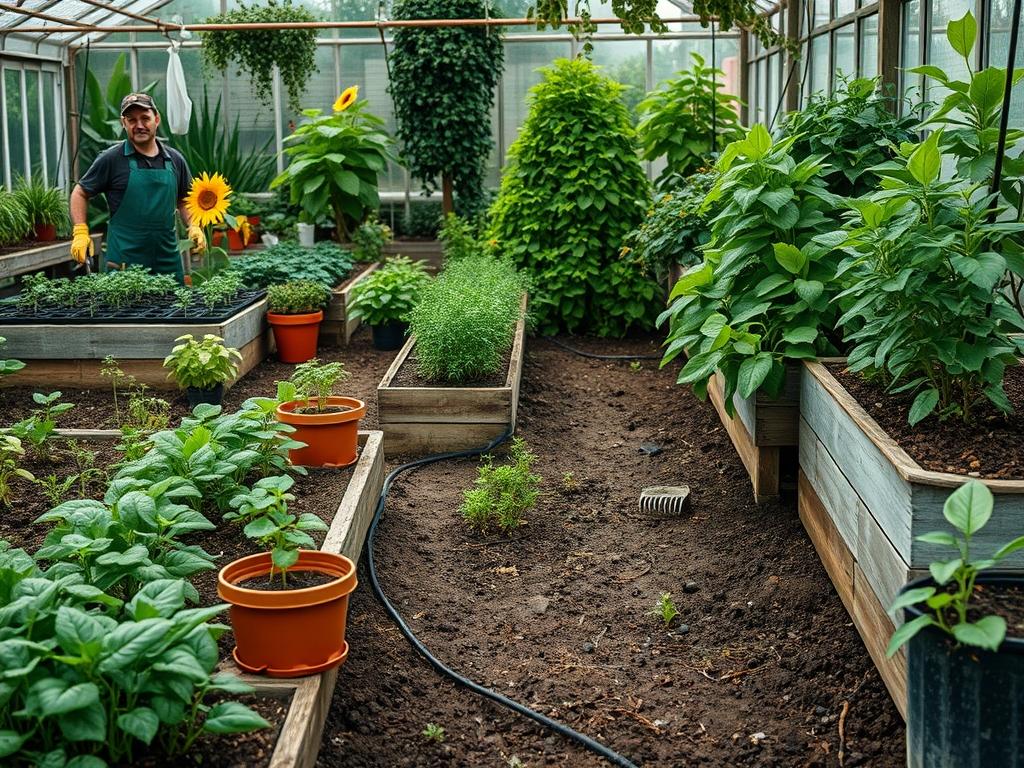
Modern estate management requires more than just a visual eye; it demands a deep understanding of the invisible biological processes that sustain a masterpiece. The contemporary landscaping challenge lies in balancing immediate curb appeal with long term ecological health, especially as climate variability creates more frequent periods of drought and nutrient stress. Traditional chemical applications often provide a quick burst of green that masks a dying soil structure. By using bio-fertilizers, landscape architects can create resilient outdoor environments that thrive on a molecular level. These microbial inoculants, consisting of beneficial bacteria and fungi, work to unlock the natural potential of the soil, ensuring that every specimen tree and ornamental shrub reaches its genetic potential without the heavy salt loads associated with synthetic products.
Achieving a high end landscape involves more than placing plants in a grid. It is about functionality, drainage, and the seamless integration of living elements with the structural architecture of the home. When we design these spaces, we look for ways to reduce maintenance costs while maximizing visual impact. Using bio-fertilizers facilitates this by strengthening the plant’s immune system and root architecture, which in turn reduces the need for constant supplemental irrigation and pesticide applications. This approach transforms the garden from a high maintenance liability into a self-sustaining asset that enhances property value and provides a serene backdrop for outdoor living.
Landscape Design Principles
Successful landscape design rests on the fundamental pillars of symmetry, proportion, and focal points. A well architected space uses elevated garden beds and retaining walls to create distinct layers, providing a sense of depth and enclosure. When planning these elevations, it is vital to consider how nutrients move through the property. Water runoff often strips upper tiers of their vitality; however, using bio-fertilizers in the initial planting stages allows Mycorrhizae to establish a fungal network that holds moisture and nutrients in place, even on sloped terrain.
Visual balance is achieved by mirrors or complementary groupings. If a Japanese Maple serves as a focal point in the western corner, a structurally similar grouping of Boxwoods or serviceberry might be used to anchor the eastern view. This symmetry must be supported by uniform plant health. Disparate growth rates can ruin the intended geometry of a formal garden. By inoculating the entire site with Azotobacter or other nitrogen-fixing microbes, you ensure consistent nutrient availability across different soil zones, keeping your focal points vibrant and your hedges perfectly dense.
Plant and Material Selection
The following table provides a breakdown of common landscape elements and their specific requirements for optimal growth in a sustainable system.
| Plant Type | Sun Exposure | Soil Needs | Water Demand | Growth Speed | Maintenance |
| :— | :— | :— | :— | :— | :— |
| Buxus sempervirens | Full to Partial | Well-drained | Moderate | Slow | High |
| Lavandula angustifolia | Full Sun | Sandy/Lean | Low | Medium | Medium |
| Quercus robur | Full Sun | Loamy/Deep | Moderate | Medium | Low |
| Festuca arundinacea | Full to Partial | Variable | Moderate | Fast | High |
| Hosta hybrid | Full Shade | Organic/Moist | High | Medium | Low |
| Hydrangea macrophylla | Partial Shade | Rich/Moist | High | Fast | Medium |
Implementation Strategy
The transition from a design blueprint to a thriving garden requires a methodical implementation strategy. The first phase is always site preparation, which involves grading the soil to ensure positive drainage away from the home’s foundation. During this phase, professional installers should use a transit level to verify that water will flow naturally into designated French drains or bioswales. Once the grade is established, the soil must be revitalized. Instead of tilling in harsh chemical powders, focus on using bio-fertilizers such as Rhizobium in legume-rich groundcovers or general-purpose microbial teas applied with a high-volume sprayer.
After the soil is prepped, the planting begins. Each hole should be dug to at least twice the width of the root ball. Before placing the plant, dusting the roots with a Mycorrhizal powder is a critical step for long term survival. This fungus forms a symbiotic relationship with the roots, effectively increasing their surface area by hundreds of times. Following planting, apply a 3-inch layer of double-shredded hardwood mulch to the beds. This helps retain moisture and provides the organic carbon that the microbes need to survive. Ensure the mulch is kept a few inches away from the trunks of trees to prevent rot and allow the bio-fertilizer to breathe.
Common Landscaping Failures
The most frequent mistake in modern landscaping is improper drainage planning, which leads to anaerobic soil conditions. When water pools around the roots, the beneficial microbes provided by bio-fertilizers are drowned out, and pathogenic fungi take over. Without a proper perc test or an integrated drainage pipe system, even the most expensive plant palette will eventually fail. Compaction is another silent killer. During construction, heavy machinery compresses the soil, crushing the air pockets that plants and microbes depend on. It is essential to use an aerator or a broadfork to loosen the earth before any planting occurs.
Root overcrowding is another sign of a poorly planned landscape. Homeowners often want “instant gratification” and plant 6-foot trees too close to one another. Within five years, these trees will compete for the same narrow band of nutrients, leading to stunted growth and increased disease susceptibility. This stress is compounded if the irrigation system is poorly calibrated. Drip irrigation is generally superior to overhead sprinklers because it delivers water directly to the root zone, where bio-fertilizers are most active, without wetting the foliage and encouraging mildew.
Seasonal Maintenance
A sustainable landscape requires a seasonal rhythm of care. In the spring, the focus is on awakening the soil biology. As soil temperatures rise above 50 degrees Fahrenheit, it is time to apply a fresh round of liquid bio-fertilizers to stimulate early root development. This is also the period for pruning dead wood using bypass pruners and checking irrigation emitters for clogs. The goal in spring is to prepare the plants for the upcoming heat by building a robust, microbially-active root system.
During the summer, management shifts toward moisture conservation and stress reduction. High temperatures can bake the soil, so maintaining that 3-inch mulch depth is vital. If the lawn begins to show signs of heat stress, avoid high-nitrogen synthetic fertilizers, which can burn the grass in dry conditions. Instead, using bio-fertilizers with high concentrations of Bacillus subtilis can help plants tolerate thermal stress. In autumn, the focus turns to recovery and winter preparation. This is the ideal time to apply compost tea and plant any new deciduous trees, allowing them to establish roots in the cooling soil before the first hard freeze. In winter, maintenance involves protecting the site from heavy snow loads and avoiding the use of harsh de-icing salts, which can kill off the beneficial microbial populations you have spent all year building.
Professional Landscaping FAQ
What are the primary benefits of using bio-fertilizers?
Using bio-fertilizers improves soil structure, increases nutrient bioavailability, and fosters drought resistance. Unlike synthetic options, they enhance the long term health of the ecosystem by fostering a symbiotic relationship between beneficial microbes and plant root systems without causing chemical runoff.
How do I integrate bio-fertilizers into my existing irrigation?
You can use a fertigation tank connected to your main line. This allows liquid bio-fertilizers to be distributed evenly through your drip emitters or rotary nozzles, ensuring that every plant receives a consistent dose of beneficial microorganisms during regular watering cycles.
Will bio-fertilizers work in heavy clay soil?
Yes, they are particularly effective in clay. Microbes like Aspergillus help break down organic matter, which gradually improves soil aeration and drainage. Over time, the biological activity creates more pore space, transforming heavy, compacted clay into a more friable, loamy consistency.
Can I use bio-fertilizers alongside traditional mulch?
Absolutely. Organic mulches like cedar bark or pine needles provide the carbon source that many beneficial bacteria need to thrive. The mulch acts as a protective blanket, keeping the soil cool and moist, which creates the perfect environment for bio-fertilizers to colonize.
How often should bio-fertilizers be reapplied to the landscape?
For established estates, a biannual application in early spring and mid-autumn is usually sufficient. However, if you are dealing with poor soil or newly installed hardscaping, monthly applications during the first growing season can help jumpstart the biological activity and ensure plant survival.