
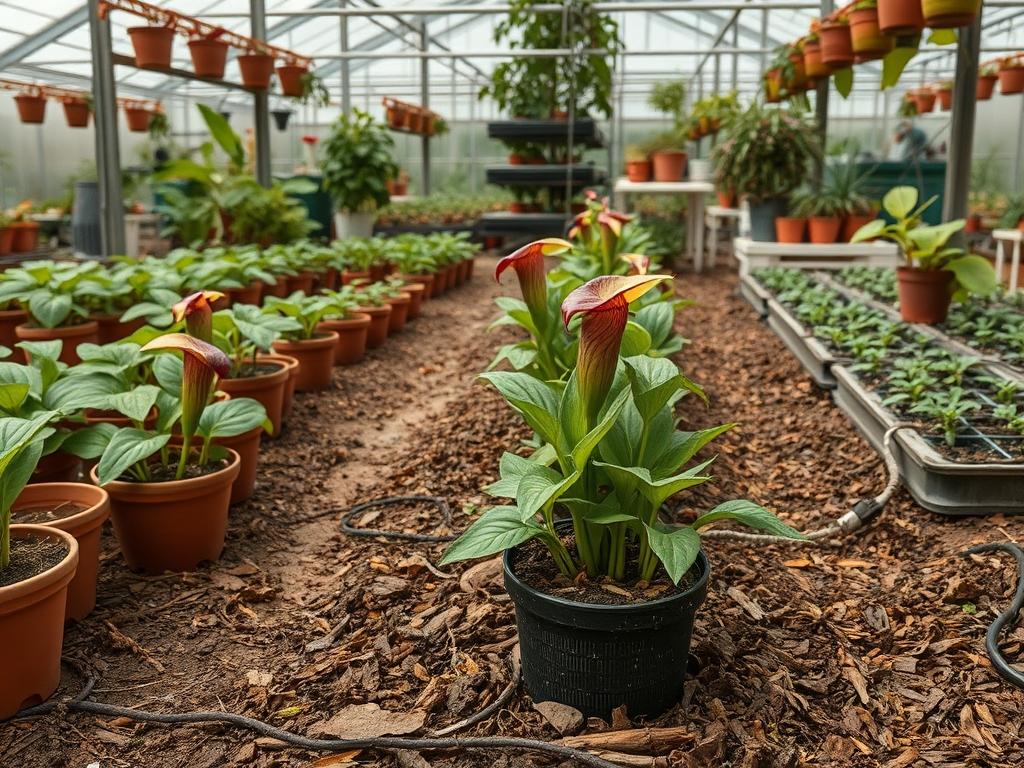
Integrating carnivorous specimens into a professional landscape design presents a unique set of challenges that traditional garden beds cannot accommodate. When we approach the installation of a bog garden or a specialized aquatic feature, we are not merely planting; we are engineering a micro-habitat. Pitcher plants, particularly the North American Sarracenia and the tropical Nepenthes, demand a departure from standard horticultural practices. These plants thrive in environments where most ornamental species would perish, making them an exceptional choice for high-impact focal points. The primary hurdle for any landscape architect lies in mastering the specific Pitcher Plant Soil Needs while balancing the aesthetic demands of modern curb appeal. Succesful integration requires a deep understanding of hydrological cycles and substrate chemistry. We must view these plants as structural elements that define the landscape, rather than as simple fillers.
To achieve a seamless transition between a traditional lawn and a specialized bog, the designer must prioritize elevation and drainage. The contrast between the vibrant, architectural pitchers and the surrounding flora creates an immediate visual draw. However, this beauty is contingent on the stability of the environment. In professional outdoor environment consulting, we focus on creating “wet zones” that feel intentional. By leveraging the unique silhouettes of pitcher plants, we can introduce verticality and texture that standard perennials often lack. This approach not only boosts the property value but also creates an educational, interactive space for the homeowner. The goal is to move beyond the container-grown mentality and into a fully integrated, sustainable landscape system that respects the complex requirements of these prehistoric-looking species.
Landscape Design Principles
In the realm of grand-scale landscaping, the principles of symmetry and focal points remain the foundation of any successful project. When incorporating pitcher plants, these principles must be adapted to the technical realities of bog construction. A well-designed bog garden should serve as a primary focal point, often situated near a patio or at the terminus of a stone walkway. Symmetry can be achieved by flanking a water feature with identical clusters of Sarracenia flava, using their golden-green lids to catch the sunlight and direct the eye toward the water. Elevation layers are equally vital. Because pitcher plants require constant moisture, we often design sunken beds or “bog bowls” that sit below the natural grade. This creates a tiered effect, where moisture-loving grasses might inhabit the upper perimeter while the pitchers occupy the saturated central depressions.
Irrigation planning is perhaps the most critical technical component of the design. Standard spray heads are often insufficient for the saturated needs of a bog. Instead, we implement a dedicated sub-irrigation system that keeps the water table consistent without compacting the soil surface. This ensures that the visual balance of the site is maintained; we avoid the messy, mud-caked appearance often associated with poorly managed carnivorous beds. By using natural stone or limestone boulders as structural borders, we can hide the transitions between different soil types. This technique allows for a sharp, clean edge that separates the nutrient-rich lawn from the nutrient-poor carnivorous zone. The result is a crisp, professional landscape that feels organic yet meticulously controlled.
Plant and Material Selection
The success of a carnivorous garden depends heavily on the materials used to construct the environment. Standard garden soil is lethal to these plants, as they have evolved to thrive in nitrogen-poor, acidic conditions. To ensure longevity, we utilize specific ratios of Sphagnum Peat Moss and Silica Sand. The addition of Sphagnum Moss as a top-dressing is not just aesthetic; it provides a vital living mulch that regulates temperature and moisture levels. Below is a selection of plants and materials suitable for a professional pitcher plant display.
| Plant Type | Sun Exposure | Soil Needs | Water Demand | Growth Speed | Maintenance Level |
| :— | :— | :— | :— | :— | :— |
| Sarracenia Purpurea | Full Sun | 50% Peat / 50% Sand | Very High | Moderate | Low |
| Sarracenia Leucophylla | Full Sun | High Acidity, Low Nutrient | Constant Saturated | Fast | Medium |
| Nepenthes Alata | Dappled Shade | Long-fiber Sphagnum | High Humidity | Moderate | High |
| Sphagnum Moss (Live) | Part to Full Sun | Acidic Water Only | Saturated | Moderate | Low |
| Drosera Intermedia | Full Sun | 1:1 Peat and Perlite | Constant Bog | Fast | Low |
Implementation Strategy
The construction phase begins with a precise grading plan. For an in-ground bog, we typically excavate a depth of 18 inches to 24 inches. Once the basin is dug, a high-quality EPDM liner is installed to prevent the specialized soil from leaching nutrients from the surrounding earth and to keep the water table trapped. Before filing, we recommend installing a PVC standpipe at one corner. This tool allows the gardener to monitor water levels beneath the soil and facilitates flushing the system if mineral buildup occurs. The liner should be protected by a heavy-duty underlayment to prevent punctures from roots or sharp rocks.
Once the hardscaping is secure, the focus shifts to the substrate mixture. The core of Pitcher Plant Soil Needs is the elimination of minerals and fertilizers. We use a blend of Sphagnum Peat Moss and coarse horticultural sand or perlite. This mixture is hydrated before placement to ensure it does not repel water once the garden is finished. When planting, we arrange the taller Sarracenia species in the center to create a structural peak, then taper down to smaller companion plants like sundews or butterworts near the edges. Finally, a 2-inch layer of live Sphagnum Moss is applied across the surface. This living layer acts as a biological indicator; if the moss is thriving, the pitcher plants are likely receiving the correct water quality and moisture levels. A clean stone edging or cedar timber border finishes the installation, providing a professional curb to the specialized bed.
Common Landscaping Failures
The most frequent error in carnivorous landscaping is improper drainage management, specifically regarding the “mineral trap” effect. When runoff from a traditional lawn, which is often treated with high-nitrogen fertilizers, enters a pitcher plant bed, the plants will quickly suffer from root burn and die. To prevent this, the bog must be hydraulically isolated from the rest of the garden. Another common mistake involves the use of improper aggregates. Using beach sand or construction sand instead of silica sand can introduce calcium and lime into the soil, which raises the pH and causes the plants to decline. We always specify washed quartz sand to avoid this chemical imbalance.
Soil compaction is another silent killer in large-scale bog gardens. Over time, peat moss can settle and become anaerobic, choking out the root systems. Incorporating perlite or pumice helps maintain the necessary aeration for long-term health. Furthermore, many landscapers fail to account for the specific irrigation needs of these species. Using municipal tap water, which often contains chlorine and dissolved solids, will gradually poison the site. A professional installation should always include a rainwater collection system or a specialized Reverse Osmosis (RO) unit. Finally, overcrowding is a frequent issue. Pitcher plants require adequate airflow to prevent fungal infections, especially in humid climates. Spacing plants at least 8 inches to 12 inches apart allows for proper light penetration and development.
Seasonal Maintenance
Maintenance for a pitcher plant landscape is cyclical and differs significantly from standard shrubbery. In the Spring, the primary task is the removal of dead pitchers from the previous year. Using sterilized pruning shears, we cut back the brown, dried foliage to about 1 inch above the crown. This opens up the plant for new growth and prevents rot. As the weather warms, we check the irrigation system to ensure the water table is rising as expected. This is also the best time to thin out any aggressive Sphagnum Moss that might be encroaching on smaller specimens.
During the Summer, moisture management is paramount. In periods of extreme heat, the water levels should be kept at their highest, often just an inch below the soil surface. This provides evaporative cooling for the root zones. In Autumn, North American species begin to produce non-carnivorous leaves called phyllodia. These should be left intact as they provide energy for the plant during the winter dormancy. As Winter approaches, maintenance varies by region. In colder climates, a thick layer of pine needles or wheat straw mulch, approximately 4 inches deep, can be applied over the bog to protect the crowns from terminal freeze-thaw cycles. In warmer zones, the bog needs little more than occasional weeding and a reduction in water levels to mimic the natural drying of the winter dormant season.
Professional Landscaping FAQ
How do I test my Pitcher Plant Soil Needs?
Use a TDS meter to check the water runoff from your soil. The Total Dissolved Solids should remain below 50 ppm. If levels are higher, flush the bed with pure rainwater to remove mineral accumulation.
Can I use regular mulch in a pitcher plant bed?
No, traditional wood mulches or dyed chips release tannins and nutrients that harm carnivorous roots. Only use long-fiber sphagnum moss, pine needles, or pine bark nuggets that have been thoroughly leached of impurities.
What is the ideal pH for these plants?
Pitcher plants require an acidic environment, typically between 4.5 and 5.5 pH. Using pure Sphagnum Peat Moss naturally achieves this level, provided that the water source is also acidic or neutral and free of lime.
Which moss is best for my landscape?
Live Sphagnum Moss is the industry standard. It creates a lush, green carpet that aids in moisture retention. Avoid “Sheet Moss” or “Spanish Moss” sold in craft stores, as these are often preserved or dyed.
How much sun do these plants actually need?
Most Sarracenia species require at least 6 to 8 hours of direct, unfiltered sunlight to develop their best colors. Without enough light, the pitchers will stay green, become weak, and eventually lose their ability to trap insects.