
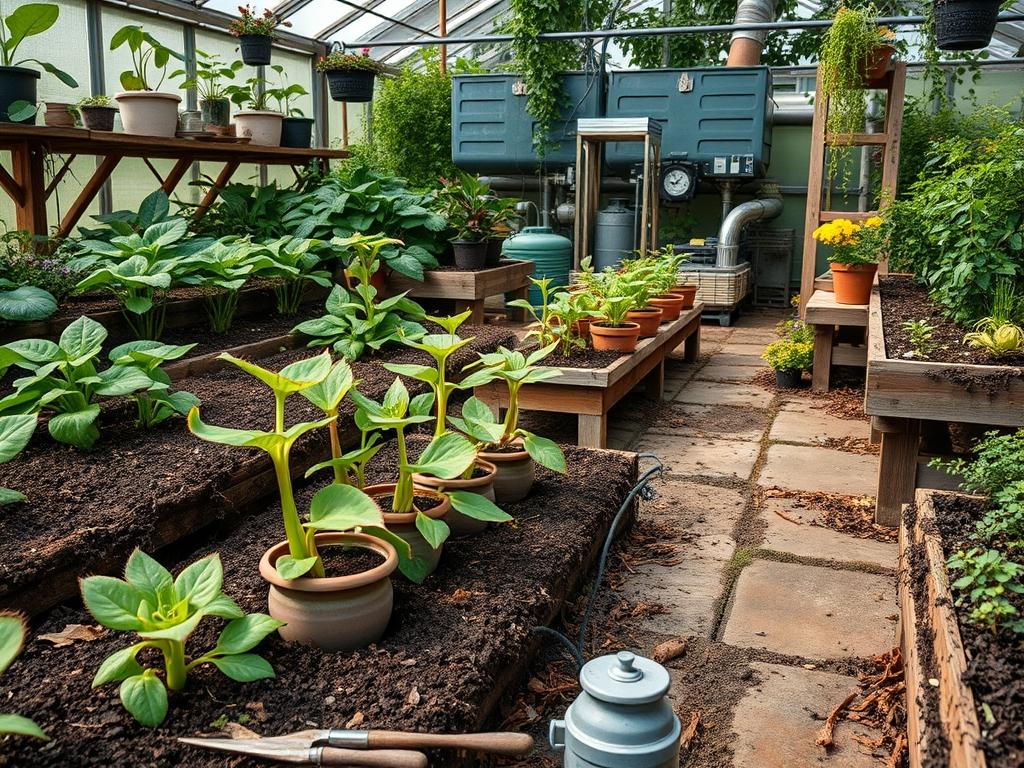
Integrating specialized carnivorous flora into a residential landscape requires a departure from traditional horticultural practices. Most homeowners equate a lush garden with nutrient-rich compost and frequent fertilization; however, the Venus Flytrap (Dionaea muscipula) thrives in an environment that is precisely the opposite. Incorporating these unique specimens into a backyard layout often involves the creation of a dedicated bog garden or a specialized container transition zone. From a landscape architect’s perspective, the challenge lies in balancing the aesthetic requirements of the site with the extreme physiological needs of the plant. Success depends entirely on the substrate. While traditional garden beds focus on loamy soil and drainage, the search for the Best Soil for Venus Flytraps leads us toward acidic, nutrient-poor, and moisture-retentive media.
Achieving a professional-grade outdoor environment for carnivorous plants involves more than just selecting a pot. It requires a deep understanding of site grading and moisture zones. In a broader landscape design, a bog feature can serve as a striking focal point, offering a textural contrast against traditional ornamental grasses or stone hardscaping. This specialized zone must be isolated from the surrounding soil to prevent mineral leaching, which would otherwise prove fatal to the flytraps. By mastering the composition of the soil and the architecture of the planting site, you can create a sustainable, low maintenance feature that enhances the biodiversity and visual interest of your outdoor living space.
Landscape Design Principles
When designing a landscape that includes a carnivorous bog, symmetry and focal points are essential for visual cohesion. A well placed bog garden should act as a natural extension of the existing topography. If your yard features a slope, consider installing a tiered system where the flytraps occupy a lower, more moist elevation. This mimics their natural habitat in the coastal plains of the Carolinas. Focal points can be established by grouping Venus Flytraps in the center of the bog, surrounded by lower-profile mosses or taller Sarracenia (pitcher plants) to create a sense of verticality. Integrating large, inert stones like granite or slate can further anchor the design, providing a weathered look that complements the primitive aesthetic of the plants.
Navigation and accessibility are equally important in garden planning. To prevent soil compaction and ensure the longevity of the bog, install permanent walkways or stepping stones around the perimeter of the planting area. For a modern look, clean-edged paths made of crushed quartz or non-leaching stone can delineate the carnivorous zone from the rest of the turf. Irrigation planning must be handled with precision. Conventional sprinkler systems are unsuitable for flytraps due to the mineral content in tap water. Instead, a dedicated rainwater collection system should be integrated into the design, perhaps using a hidden cistern or an aesthetically pleasing rain barrel. This ensures that the Best Soil for Venus Flytraps remains free of the salts and chemicals that cause root burn.
Plant and Material Selection
| Plant or Material | Sun Exposure | Soil Needs | Water Demand | Growth Speed | Maintenance Level |
| :— | :— | :— | :— | :— | :— |
| Venus Flytrap | Full Sun | Acidic, No Nutrients | High (Pure Water) | Slow | Moderate |
| Sphagnum Peat Moss | N/A | Low pH (3.0 to 4.5) | High Retention | N/A | Low |
| Perlite | N/A | Inorganic, Neutral | Low Retention | N/A | Low |
| Silica Sand | N/A | Coarse, Inert | None | N/A | Low |
| Long-fiber Sphagnum | Partial to Full | High Aeration | Very High | N/A | Moderate |
Implementation Strategy
The first step in implementing a bog landscape is excavation and grading. For a permanent outdoor feature, dig a basin approximately 12 to 18 inches deep. The bottom of the basin should be relatively level to keep the water table consistent across the entire bed. Line the hole with a heavy duty, fish-safe pond liner to prevent the surrounding garden soil from contaminating your specialized mix. This liner acts as a barrier against nutrients and minerals from the adjacent lawn, which are often introduced through runoff. Once the liner is in place, you can begin the process of layering and filling.
When mixing the Best Soil for Venus Flytraps, the industry standard is a ratio of 50 percent sphagnum peat moss and 50 percent perlite or coarse silica sand. It is critical to use moss that contains no added fertilizers or wetting agents. Before adding the mix to your landscape bed, pre-hydrate the peat moss in a large wheelbarrow. Dry peat is hydrophobic and will repel water if you try to hydrate it after it has been packed into the ground. Mix the materials by hand until the texture is uniform and spongy. If you are aiming for a more naturalistic look, you can vary the surface elevation slightly to create micro-hummocks, which allow the flytraps to sit just above the primary water line while their roots remain submerged in the moist substrate.
After filling the basin, add a top layer of long-fiber sphagnum moss or a thin layer of washed pine bark mulch. This mulch serves two purposes: it prevents the peat and perlite from splashing onto the plants during heavy rain and it helps maintain a high level of humidity around the traps. Edging the bog with rot-resistant wood like cedar or with natural stone provides a crisp border that separates the carnivorous zone from traditional garden beds. This clear delineation is vital for curb appeal, as it signals that the bog is an intentional, curated feature rather than a neglected wet spot in the yard.
Common Landscaping Failures
The most frequent mistake in carnivorous plant landscaping is improper drainage management within the bog itself. While it may seem counterintuitive for a wetland plant, Venus Flytraps require aeration in their soil. If the substrate is too dense or becomes compacted over time, the roots will suffer from oxygen deprivation, leading to rot. To avoid this, always include a high percentage of perlite or sand in your mix. Furthermore, never use standard potting soil or topsoil. These products are designed to provide nutrients, but the flytrap’s evolutionary niche is one where nitrogen is gained from prey, not the soil. Even a small amount of fertilizer can destroy a mature specimen within weeks.
Another common failure involves the water source used for irrigation. Standard garden hoses and typical irrigation heads deliver water that is often rich in calcium and magnesium. These minerals accumulate in the peat moss over time, slowly raising the pH and poisoning the root system. Professionals recommend installing a dedicated drip line fed by a reverse osmosis system or a rain collection barrel. Finally, watch for root overcrowding. While flytraps do not have extensive root systems, they do produce rhizomes that can become cramped if the landscape design doesn’t allow for lateral expansion. Proper spacing at the time of installation, typically 6 to 8 inches apart, will ensure healthy growth and better visual impact as the plants mature.
Seasonal Maintenance
Seasonal care is the hallmark of a long-lived landscape. In the spring, remove any dead, black traps from the previous year to prevent fungal issues. This is also the ideal time to refresh the top mulch layer and ensure that the irrigation lines are clear of debris. As the temperatures rise in the summer, focus on moisture monitoring. The Best Soil for Venus Flytraps should never dry out completely; it should always feel like a wrung-out sponge. If your bog is located in an area with intense afternoon sun, consider using a light shade cloth or surrounding it with taller bog-friendly plants to prevent the substrate from overheating.
Autumn marks the beginning of the dormancy period for Venus Flytraps. This is a biological necessity where the plant prepares for cold weather by slowing its growth and shrinking its traps. Do not be alarmed if the plants look less vibrant during this time. In regions with severe winters, you may need to apply a thicker layer of pine straw or a breathable frost blanket to protect the rhizomes from repeated freeze-thaw cycles. During the winter, reduce the water levels slightly so the soil remains damp but not waterlogged, as stagnant, cold water can encourage crown rot. By following these seasonal guidelines, your carnivorous landscape will return with renewed vigor every spring.
Professional Landscaping FAQ
How often should I replace the soil mix in my bog garden?
In an outdoor landscape setting, the peat and perlite mix should be partially refreshed every two to three years. This prevents the substrate from breaking down and becoming too compacted, which ensures that the roots continue to receive adequate oxygen.
Can I use playground sand for my Venus Flytrap soil?
No, playground sand often contains minerals or crushed limestone that can leach into the soil and kill the plants. Only use pure, washed silica sand or horticultural sand to ensure the mix remains inert and acidic for the long term.
Why is my Venus Flytrap turning black and dying?
If the soil is correct, the issue is likely mineral buildup or lack of sun. Flytraps require at least six hours of direct sunlight. Ensure you are using distilled or rainwater and that the soil does not contain any added fertilizers.
Does a bog garden attract unwanted pests like mosquitoes?
While standing water can attract mosquitoes, a healthy bog garden usually supports predators like dragonflies and the flytraps themselves. You can also use mosquito dunks containing BTI, which is a biological control that is safe for carnivorous plants and beneficial insects.
Can I plant Venus Flytraps directly into the ground?
Only if your native soil is naturally sandy, acidic, and nutrient-poor. In most residential areas, you must use a liner to create an isolated bog environment to prevent the surrounding garden soil and its minerals from killing the plants.