
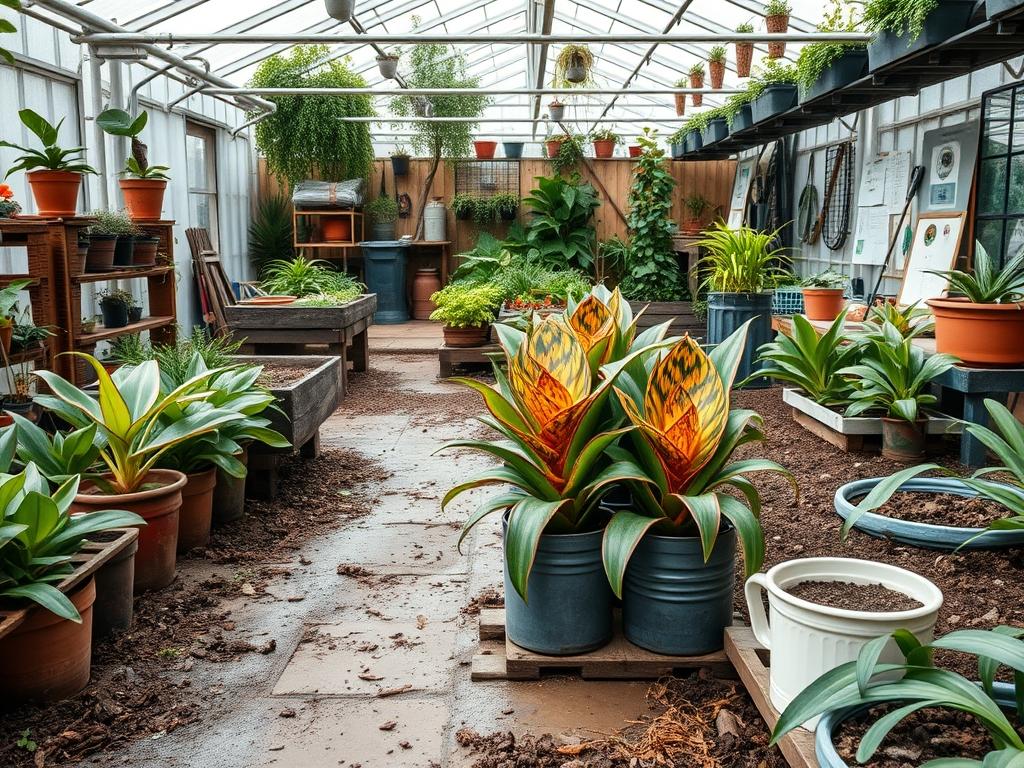
Integrating bromeliads and epiphytes into a professional landscape design requires a fundamental shift in perspective from traditional soil based gardening to a system focused on air circulation and moisture management. These plants are biological specialists. They have evolved to thrive in environments where traditional terrestrial plants would perish. For the landscape architect, the challenge lies in creating a cohesive aesthetic that balances the architectural rigidity of these plants with the technical requirements of their root systems. Selecting the best soil for bromeliads is not merely about choosing a bag of dirt at a local center; it is about engineering a substrate that mimics the airy, debris-strewn crooks of a tropical tree canopy. When these elements are harmonized, the resulting landscape offers an unparalleled level of exotic curb appeal and structural depth.
A successful outdoor environment utilizing epiphytes must account for microclimates within the property. A north-facing wall might provide the dappled light required for softer foliage, while a western exposure requires rugged, sun-tolerant species. The functionality of the outdoor space is enhanced when we treat these plants as living sculptures. They can be used to soften the transition between hardscape elements like limestone retaining walls and softer, green zones. However, if the drainage profile is ignored, the most beautiful design will succumb to root rot within a single season. This makes the selection of the substrate the most critical decision in the planning phase.
Landscape Design Principles
In professional landscape architecture, we use bromeliads to establish focal points and architectural rhythm. Their bold colors and unique silhouettes allow for high-contrast arrangements. Symmetry can be achieved by flanking a primary entrance with matched Alcantarea imperialis specimens, housed in concrete planters with elevated drainage holes. These plants act as anchors, drawing the eye toward specific architectural features of the home.
Elevation layers are equally important. Epiphytes naturally occupy the vertical plane. By mounting Tillandsia species onto driftwood or existing oak trees, the designer creates a multi-dimensional garden that occupies space from the ground level to the canopy. This verticality provides a sense of enclosure and privacy. To maintain visual balance, we often ground these vertical elements with terrestrial bromeliads or ferns, creating a cascading effect of texture.
Irrigation planning must be precise. Because many bromeliads collect water in a central tank, traditional overhead spray can lead to stagnation if not calibrated correctly. Drip systems targeting the root zone or high-volume misters that provide atmospheric humidity are preferred. Walkways should be designed to allow maintenance access without compacting the loose, airy substrates these plants require. A path of decomposed granite or river rock provides a stable surface while allowing water to move freely away from the planting beds.
Plant and Material Selection
| Plant Type | Sun Exposure | Soil Needs | Water Demand | Growth Speed | Maintenance Level |
| :— | :— | :— | :— | :— | :— |
| Aechmea fasciata | Partial Shade | Bark and Peat | Moderate | Slow | Low |
| Neoregelia | Bright Filtered | Perlite and Pine Bark | Moderate | Medium | Low |
| Tillandsia | Full to Part Sun | No Soil (Air) | Low (Mist) | Slow | Moderate |
| Guzmania | Shade | Sphagnum and Bark | High Humidity | Medium | High |
| Vriesea | Partial Shade | Coconut Coir and Bark | Moderate | Slow | Medium |
Implementation Strategy
The creation of a bromeliad garden begins with site grading. Proper grading ensures that excess rainwater moves away from the primary root zones. For terrestrial installations, we recommend a raised bed approach. This involves building a frame or using a natural rise in the land to prevent water pooling. Once the grade is established, we apply a layer of landscape fabric over the native soil to prevent weed intrusion while maintaining permeability.
The actual planting medium, or the best soil for bromeliads, should be a custom mix. We typically use a ratio of 40% fine fir bark, 30% coarse perlite, and 30% professional-grade peat moss or coconut coir. This mixture ensures that oxygen can reach the roots, which is vital for epiphyte health. When filling the beds, avoid over-packing. The medium should be firm enough to support the weight of the plant but loose enough that a hand trowel can be pushed into it with minimal resistance.
For edging, use natural materials like fieldstone or recycled timber to create a border that sits at least 4 inches higher than the surrounding lawn. This prevents the encroachment of turf grass and keeps the specialized soil mix contained. Mulch depth should be minimal, no more than 1 inch of pine straw or small bark nuggets, as heavy wood mulch can retain too much moisture against the base of the plant. If hardscaping is inclusive of mounting plants to rocks or walls, use galvanized wire or clear fishing line to secure the specimens until their roots can grip the surface naturally.
Common Landscaping Failures
The most frequent mistake in bromeliad landscaping is the use of standard garden soil. Traditional potting soil or native clay is too dense and lacks the necessary macropores for airflow. This leads to soil compaction, which suffocates the root system and invites fungal pathogens. If the medium smells sour or appears black and slimy, it is an indication of anaerobic conditions caused by poor drainage.
Root overcrowding is another issue. While some species like Neoregelia can form dense mats, most require space for air to circulate between plants. Improper spacing leads to a lack of light penetration at the base, causing the lower leaves to rot. Designers must also be wary of irrigation inefficiencies. If a sprinkler head hits the side of a bromeliad rather than filling its cup or hydrating its roots, the plant will slowly dehydrate despite a wet environment. Finally, planting too deep is a common error. The crown or “tank” of the bromeliad should never be buried. It must sit flush with or slightly above the surface of the medium.
Seasonal Maintenance
Spring is the primary season for rejuvenation. This is the time to remove frost-damaged leaves using sterilized pruning shears and to separate “pups” or offsets from the mother plant. Dividing these offsets allows you to expand your landscape footprint without additional cost. Apply a diluted, liquid balanced fertilizer at quarter strength directly into the soil or the tanks to stimulate new growth.
Summer maintenance focuses on water management. In high-heat regions, the central tanks should be flushed weekly with fresh water to prevent the buildup of salts and to discourage mosquito larvae. Monitoring for pests like scale or mealybugs is essential during the humid months. If discovered, treat the plants with neem oil or a soft insecticidal soap, avoiding harsh chemicals that can damage the waxy cuticle of the leaves.
Autumn is a transition period where water frequency should be reduced. As the light intensity shifts, you may notice some color changes in the foliage. This is normal. It is also the time to ensure that fallen leaves from overhead deciduous trees are removed from the centers of the bromeliads. If left to rot in the plant tanks, they can cause crown rot.
Winter care is dependent on your specific hardiness zone. For areas prone to occasional frost, have frost blankets or burlap ready to cover sensitive species. Ensure the soil is kept on the drier side during cold snaps, as wet roots are significantly more susceptible to cold damage. If you are using containers, moving them closer to the thermal mass of a building or under a covered patio can provide the few degrees of protection necessary for survival.
Professional Landscaping FAQ
What is the best soil for bromeliads in a garden bed?
The ideal medium is a soilless mix containing fir bark, perlite, and sphagnum moss. This combination provides the high porosity and rapid drainage necessary to prevent root rot while retaining just enough moisture for the plant.
How deep should I plant my bromeliads?
You should plant them only deep enough to stabilize the plant. The base of the leaves must remain above the soil line. If the plant is top-heavy, use bamboo stakes or rocks for support rather than burying the stem deeper.
Can I use decorative rocks as a substrate?
Yes, lava rock or expanded clay pebbles are excellent for drainage. Many designers use these materials in the bottom of pots or as a top dressing to enhance the aesthetic and provide structural weight to the planting area.
How often should I change the water in the central cup?
In an outdoor setting, rainfall often handles this. However, during dry spells, you should flush the tank with fresh water every 7 to 10 days. This prevents stagnation and washes away debris and insects that may have accumulated.
Are native bromeliads better for my landscape?
Native species are generally more resilient to local pests and climate fluctuations. Using native varieties like Tillandsia utriculata can decrease maintenance needs and provide a more authentic ecological balance to your Florida or coastal garden design.