
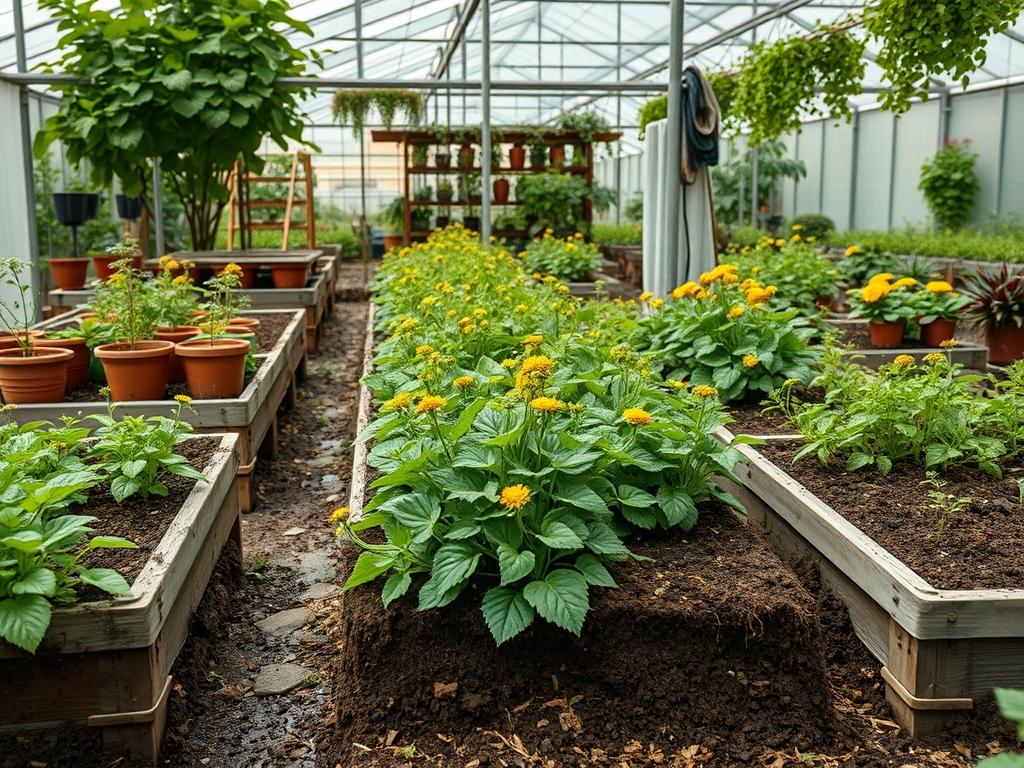
Achieving a resilient and aesthetically pleasing landscape requires more than a simple selection of hardy species; it demands a comprehensive understanding of the site’s hidden architecture, primarily the soil structure. For the landscape architect, Potentilla fruticosa, commonly known as Shrubby Cinquefoil, represents a versatile tool capable of bridging the gap between rugged durability and delicate visual appeal. Incorporating these shrubs into a professional design serves multiple purposes, from enhancing curb appeal with their prolific blooming cycles to providing functional erosion control on sloped terrains. However, the success of these installations is inextricably linked to a precise Potentilla Soil Strategy. Without a foundation that prioritizes drainage and nutrient availability, even the most robust specimens can succumb to root rot or nutrient chlorosis. The goal of any outdoor environment consultant is to transform a site into a cohesive living system where the elevation, irrigation, and soil chemistry work in concert to support long term plant health and homeowner satisfaction.
Integrating Potentilla into a modern landscape design requires a keen eye for visual balance and functional layering. These shrubs typically serve as the mid-level layer in a planting plan, sitting comfortably between low-lying ground covers and taller ornamental trees. By utilizing Potentilla in mass plantings, an architect can create a sense of rhythm and movement that guides the eye toward a focal point, such as a water feature or a primary entrance. This approach to symmetry does not always require identical mirror images; rather, it relies on the balance of visual weight. For instance, a dense cluster of yellow-flowered Potentilla on one side of a walkway can be balanced by a structured retaining wall or a large basalt boulder on the other. This creates a landscape that feels grounded and intentional.
Landscape Design Principles
When planning the layout, elevation plays a critical role in both the visual experience and the underlying health of the flora. Potentilla thrives in environments where water does not stagnate, making them ideal candidates for the upper tiers of a tiered garden or the high side of a retaining wall. Designers must consider the site’s topography to ensure that runoff is directed away from the root balls. Irrigation planning should account for the plant’s transition from establishment to maturity. While Potentilla is famously drought tolerant once its root system has penetrated the deeper soil profiles, initial irrigation must be precise. Drip lines are often preferred over overhead sprayers to minimize water waste and prevent foliage diseases.
Walkways and pedestrian flow should also dictate the placement of these shrubs. Because many varieties of Potentilla have a mounding habit, they are excellent for softening the hard edges of concrete pavers or limestone flagstone paths. They provide a structural boundary without the aggressive maintenance requirements of traditional boxwood hedges. Properly spaced, they create a natural barrier that defines outdoor rooms, such as a private seating area or a transition zone between a driveway and a front porch. Visual balance is further achieved by mixing textures. The fine, pinnate foliage of the Potentilla contrasts beautifully with the broad leaves of Hosta or the architectural spikes of Ornamental Grasses.
Plant and Material Selection
| Plant Type | Sun Exposure | Soil Needs | Water Demand | Growth Speed | Maintenance Level |
| :— | :— | :— | :— | :— | :— |
| Potentilla Goldfinger | Full Sun | Well-Drained | Moderate | Medium | Low |
| Potentilla Abbotswood | Full Sun/Part Shade | Loamy/Sandy | Low | Medium | Low |
| Pink Beauty Potentilla | Full Sun | Acidic to Neutral | Moderate | Slow/Medium | Moderate |
| Blue Star Juniper | Full Sun | Well-Drained/Rocky | Low | Slow | Low |
| Walker’s Low Catmint | Full Sun | Any/Well-Drained | Low | Fast | Low |
The selection of supplemental materials is just as vital as the plants themselves. A successful Potentilla Soil Strategy involves the use of coarse sand, composted bark, and perlite to modify heavy clay soils. For the mulch layer, a shredded cedar mulch or pine bark nuggets applied at a depth of 3 inches provides the necessary moisture retention while suppressing weed growth. Using landscape staples and a high quality geotextile fabric can help stabilize slopes before the Potentilla roots take hold, preventing the soil from washing away during heavy rain events.
Implementation Strategy
The execution of a backyard or garden layout begins with professional grading. The land must be sloped at a minimum of 2 percent away from the home’s foundation to ensure proper drainage. Once the grade is established, the soil strategy moves into the amendment phase. Using a tiller or a garden fork, the soil should be loosened to a depth of 12 inches. If the site consists of heavy clay, incorporate organic matter and gypsum to break up the compaction and improve porosity.
Edging provides the clean lines necessary for high end curb appeal. A steel edging or a poured concrete curb prevents turf grass from encroaching into the Potentilla beds. When planting, the hole should be twice as wide as the root ball but no deeper. This ensures the crown of the plant sits slightly above the soil line, preventing moisture from pooling around the stems. After positioning the plant, backfill with a mix of native soil and aged compost. Firm the soil with your hands to remove air pockets, and immediately apply a transplant fertilizer with a high phosphorus content to encourage root development. Finally, distribute the mulch evenly, ensuring it does not touch the base of the shrub, which can cause bark rot.
Common Landscaping Failures
The most frequent failure in Potentilla care is poor drainage. These plants are native to rocky, well-draining environments and will quickly develop root rot if left in a “bathtub” of heavy clay. Another common mistake is root overcrowding. While it is tempting to plant shrubs closely for an immediate full look, failing to respect the 3 foot mature spread of most Potentilla varieties leads to poor air circulation and powdery mildew.
Soil compaction is another silent killer in new construction landscapes. Heavy machinery often packs the earth so tightly that roots cannot penetrate and water cannot infiltrate. Architects must ensure that “subsoiling” or deep ripping is performed before any planting occurs. Furthermore, irrigation inefficiencies, such as watering for short durations every day, encourage a shallow root system. Instead, deep, infrequent watering cycles are necessary to train the roots to seek moisture deep within the potting soil and native earth.
Seasonal Maintenance
Spring is the season for rejuvenation. As soon as the ground thaws, apply a balanced 10-10-10 fertilizer to jumpstart the growing season. This is also the best time for structural pruning. Use bypass pruners to remove one third of the oldest wood down to the ground. This “renewal pruning” keeps the shrub from becoming leggy and promotes a fresh flush of blooms.
Summer maintenance focuses on moisture management. During periods of extreme heat, monitor the foliage for signs of wilting. While Potentilla is hardy, a prolonged drought can reduce the quantity of flowers. Refresh the mulch if it has thinned, keeping the layer at the recommended 3 inches to insulate the roots from high soil temperatures.
Autumn is the time for site cleanup and preparation for dormancy. Remove any fallen debris from the base of the plants to prevent overwintering pests. Avoid heavy pruning in late autumn, as this can stimulate new growth that will be killed by the first frost. Instead, focus on ensuring the soil has adequate moisture before the ground freezes.
Winter management is largely passive, but in regions with heavy snowfall, designers should be wary of salt spray from driveways or roads. Potentilla has a moderate tolerance for salt, but excessive amounts can alter the soil chemistry and lead to “marginal leaf burn” in the spring. If the shrubs are located near a high traffic salt area, consider a temporary burlap screen to protect the dormant branches.
Professional Landscaping FAQ
How do I fix yellowing leaves on my Potentilla?
Yellowing, or chlorosis, usually indicates poor drainage or a pH imbalance. Test your soil with a digital pH meter. If the pH is above 7.0, add sulfur or peat moss to increase acidity and improve iron uptake.
What is the best mulch for a Potentilla Soil Strategy?
A carbon-rich mulch like shredded bark or wood chips is best. These materials break down slowly, adding organic matter to the soil over time while providing excellent thermal insulation for the root system during winter.
Can Potentilla thrive in a heavy clay environment?
Only if the soil is significanly amended. Incorporating coarse grit, composted manure, and leaf mold to a depth of 18 inches will provide the necessary aeration. Elevating the planting bed into a mound or raised bed also helps.
How much sun does a Shrubby Cinquefoil actually need?
For maximum flower production, 6 to 8 hours of direct sunlight is required. While they can survive in partial shade, the growth will be leggy and the bloom cycle will be significantly shorter and less vibrant.
When should I use a pre-emergent herbicide in these beds?
Apply a pre-emergent herbicide in early spring before soil temperatures reach 55 degrees Fahrenheit. This prevents weed seeds from germinating without harming the established Potentilla root systems, maintaining the clean lines of your landscape design.