
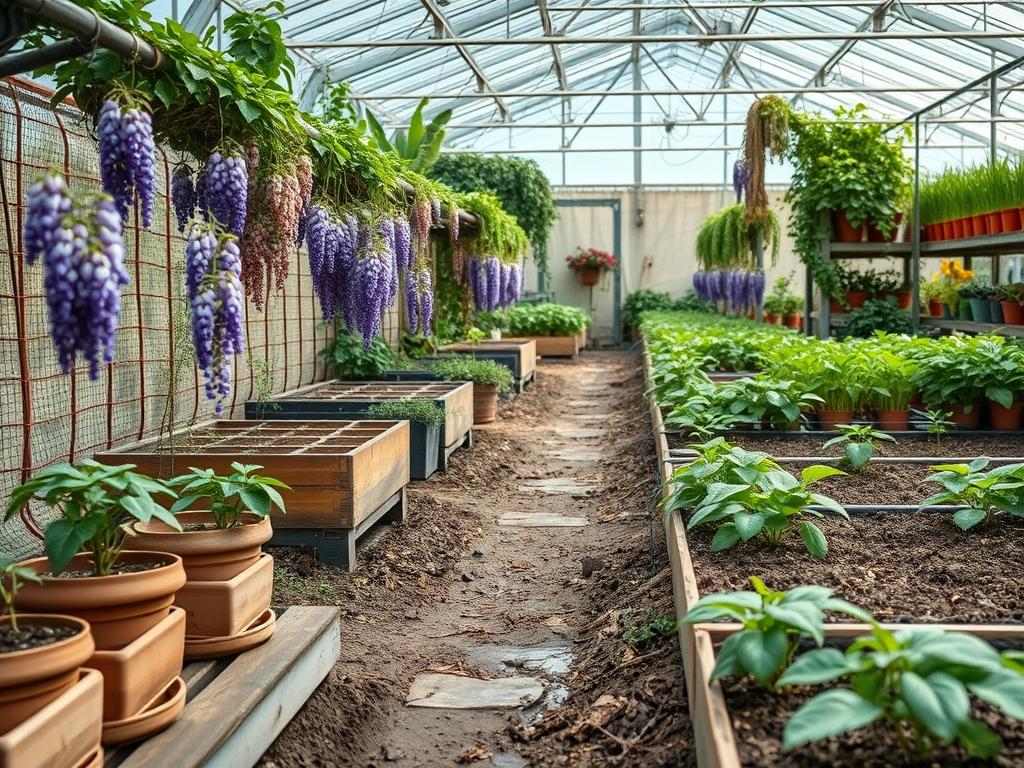
Wisteria occupies a unique position in the landscape architect’s repertoire, acting as both a crowning achievement of aesthetic beauty and a significant structural challenge. When a property owner envisions the cascading purple racemes of a mature vine, they are often unaware of the immense physical power and specific biological requirements of the species. Managing the site effectively requires a deep understanding of how the plant interacts with the built environment. From a curb appeal perspective, a well maintained wisteria provides a sense of established luxury and classic charm that few other climbing plants can match. However, without a rigorous plan for soil management and structural support, the asset can quickly become a liability. Integrating this vine into an outdoor living space demands a professional approach to soil chemistry, drainage, and spatial hierarchy to ensure the garden remains functional and safe for decades.
Successful integration starts with an appreciation of the plant’s aggressive growth habit and its impact on the surrounding landscape. In temperate climates, a single vine can grow over 10 feet in a single season, putting immense pressure on any structure it touches. The architectural goal is to channel this energy into a controlled focal point while minimizing the risk to the building’s envelope. This involves more than just planting a seedling; it requires a comprehensive strategy that addresses the subterranean environment and the vertical plane simultaneously. By treating the wisteria as a living structural element rather than a simple decorative plant, the landscape professional can create an outdoor environment that feels both lush and meticulously disciplined.
Landscape Design Principles
Modern landscape design relies on the principles of symmetry and focal points to guide the eye through an outdoor space. Wisteria is naturally a high impact focal point, which means its placement must be intentional. If it is positioned at the end of a stone walkway, it serves as a destination. If it is wrapped around a central pergola, it defines an outdoor room. To achieve visual balance, the heavy mass of the blooming vine must be countered with grounding elements. This can be accomplished through the use of retaining walls or wide paving stones that provide a clean horizontal contrast to the chaotic, twisting verticality of the wisteria trunks.
Elevation layers play a vital role in how the vine is perceived and managed. By utilizing tiered planting beds, a designer can lift the root zone, which improves drainage and creates a clear boundary between the wisteria and other garden elements. Irrigation planning is equally critical; even though wisteria is drought tolerant once established, the site must be graded to prevent water from pooling at the base of the trunk. Stagnant water can lead to crown rot, particularly in heavier soils. Professional layouts often incorporate a slight 2 percent grade away from the main support structure to ensure excess moisture migrates toward secondary drainage zones or rain gardens.
Walkways positioned near wisteria must be constructed with reinforced sub-bases. As the primary trunk expands, the root system can exert upward pressure, potentially heaving thin concrete or loose pavers. Using a compacted crushed stone base of at least 6 inches beneath walkways helps mitigate this risk. Furthermore, the design should allow for a maintenance corridor. Because wisteria requires pruning at least twice a year, providing easy ladder access or clear footpaths around the support structure is a functional necessity that prevents the trampling of ornamental underplantings during routine care.
Plant and Material Selection
| Plant or Material Type | Sun Exposure | Soil Needs | Water Demand | Growth Speed | Maintenance Level |
| :— | :— | :— | :— | :— | :— |
| Wisteria sinensis | Full Sun | Rich, well-drained | Moderate | Aggressive | High |
| Wisteria frutescens | Full Sun to Partial | Moist, acidic | Moderate to High | Moderate | Medium |
| Japanese Forest Grass | Shade to Partial | Humus-rich | High | Slow | Low |
| Cedar Support Posts | N/A | Treated for ground | N/A | N/A | Low |
| Steel Tension Wire | N/A | N/A | N/A | N/A | Low |
| Mulch (Double Shred) | N/A | N/A | N/A | N/A | Seasonal |
Selecting the right materials for the support structure is just as important as the plant itself. Avoid using flimsly wooden lattices or thin plastic supports. A mature wisteria can easily crush a standard garden arch. Instead, specify heavy-duty steel piping or 6×6 pressure-treated timber. If the vine is to be trained against a wall, use stainless steel eye bolts and heavy-gauge wire spaced at least 4 inches away from the siding to allow for airflow and to prevent the vine from gripping the house’s trim or shingles.
Implementation Strategy
The implementation phase begins with professional site grading. The area designated for the wisteria must be cleared of competing turf and weeds. Excavate a planting hole that is at least twice the width of the root ball but no deeper than the original container. This encourages lateral root growth, which provides better stability for the vine in high winds. If the native soil is heavy clay, incorporate organic compost or leaf mold to a depth of 12 inches across the entire planting bed, not just the hole. This prevents the “bathtub effect” where water collects in the looser soil of the planting hole and cannot escape into the surrounding clay.
Once the vine is in the ground, install a high-quality edging material, such as galvanized steel or thick poly-board, to define the bed and prevent the wisteria from creeping into the lawn. Apply a layer of organic mulch, such as shredded hardwood, at a depth of 3 inches. Keep the mulch at least 4 inches away from the main stem to prevent fungal infections. For hardscaping elements like patios or decks situated nearby, ensure there is a clear expansion joint between the hard surface and the wisteria’s planting pocket.
Hardscaping should be completed before the final planting. If you are building a retaining wall, ensure it has proper drainage weep holes. Wisteria roots are opportunistic; they will find cracks in mortar or gaps in dry-stack stone. Using a geotextile fabric behind the wall can provide a secondary barrier to root penetration. If the design includes a heavy pergola, the footings for the posts should be set in concrete to a depth of at least 36 inches, or below the local frost line, to ensure the weight of the summer foliage does not cause the structure to lean or sink.
Common Landscaping Failures
One of the most frequent mistakes in wisteria management is ignoring the plant’s long term structural needs. Many homeowners install the vine on a light wooden arbor that looks beautiful in year two, only to have it collapse in year seven. Structural failure is not only a safety hazard but also a significant financial loss if the mature vine must be cut back to the ground to rebuild the support. Another common failure is improper spacing. Planting a wisteria within 5 feet of a home’s foundation or drainage pipes is an invitation for structural damage, as the roots can infiltrate small fissures in search of moisture.
Soil compaction is another silent killer of landscape health. In new construction, the soil is often heavily compacted by heavy machinery. Attempting to grow wisteria in this environment leads to stunted growth and poor flowering. Professionals use an air-spade or broadfork to loosen the soil in a wide radius before planting. Additionally, over-fertilization with high-nitrogen products is a frequent error. While wisteria is a fast grower, excessive nitrogen encourages lush green leaves at the expense of floral development. For the best bloom, focus on phosphorus-rich amendments and avoid lawn fertilizers that might runoff into the wisteria’s root zone.
Seasonal Maintenance
Managing a wisteria-centric landscape requires a disciplined seasonal schedule. In the Spring, the focus is on monitoring the flower buds and ensuring the irrigation system is functioning correctly as the plant wakes up. This is also the time to apply a balanced, slow-release fertilizer if the soil test indicates a deficiency. As the blooms fade, deadheading can prevent the formation of heavy seed pods, which can add unnecessary weight to the structure.
Summer is the season of aggressive growth. Professional landscapers perform a “summer prune” in July or August, cutting back the long, whippy green shoots to about 6 inches or 6 buds. This keeps the vine tidy and redirects energy into the formation of next year’s flower spurs. It also allows light to reach the interior of the vine, preventing the center from becoming a dead zone of leafless wood.
In Autumn, the goal is cleanup and structural inspection. As the leaves fall, the skeletal structure of the vine becomes visible. Inspect the steel cables and timber joints for signs of stress or wear. Remove any fallen debris from the base of the plant to prevent over-wintering pests. Winter is the time for the “hard prune.” Between December and February, cut back the same shoots that were pruned in summer, leaving only 2 or 3 buds. This severe pruning is the secret to the massive, pendulous flower displays seen in professional botanical gardens.
Professional Landscaping FAQ
How do I address the specific wisteria soil needs in heavy clay?
Incorporate significant amounts of expanded shale or coarse compost to improve aeration. Ensure the planting site is slightly mounded to allow gravity to pull excess water away from the root crown, preventing anaerobic soil conditions.
What is the ideal pH for wisteria growth?
Wisteria thrives in slightly acidic to neutral soil, ideally between 6.0 and 7.0 pH. If your soil is too alkaline, apply elemental sulfur or iron sulfate to lower the pH, which helps the plant better absorb essential micronutrients.
Can I grow wisteria in a large planter to control growth?
Yes, but it requires a very large, heavy container of at least 20 to 30 gallons. You must provide a permanent, ground-anchored support structure, as the pot alone will not be heavy enough to counter the weight of the vine.
Why is my wisteria growing leaves but no flowers?
This is often caused by excessive nitrogen or improper pruning. Avoid fertilizing with lawn products near the vine. Ensure you are performing the two-step pruning method in summer and winter to encourage the development of flowering spurs.
Is American wisteria better for residential landscapes?
Generally, yes. Wisteria frutescens is less invasive, grows more slowly, and blooms at a younger age than Chinese or Japanese varieties. It offers similar aesthetic rewards with significantly lower risk to the surrounding hardscape and structural elements.