
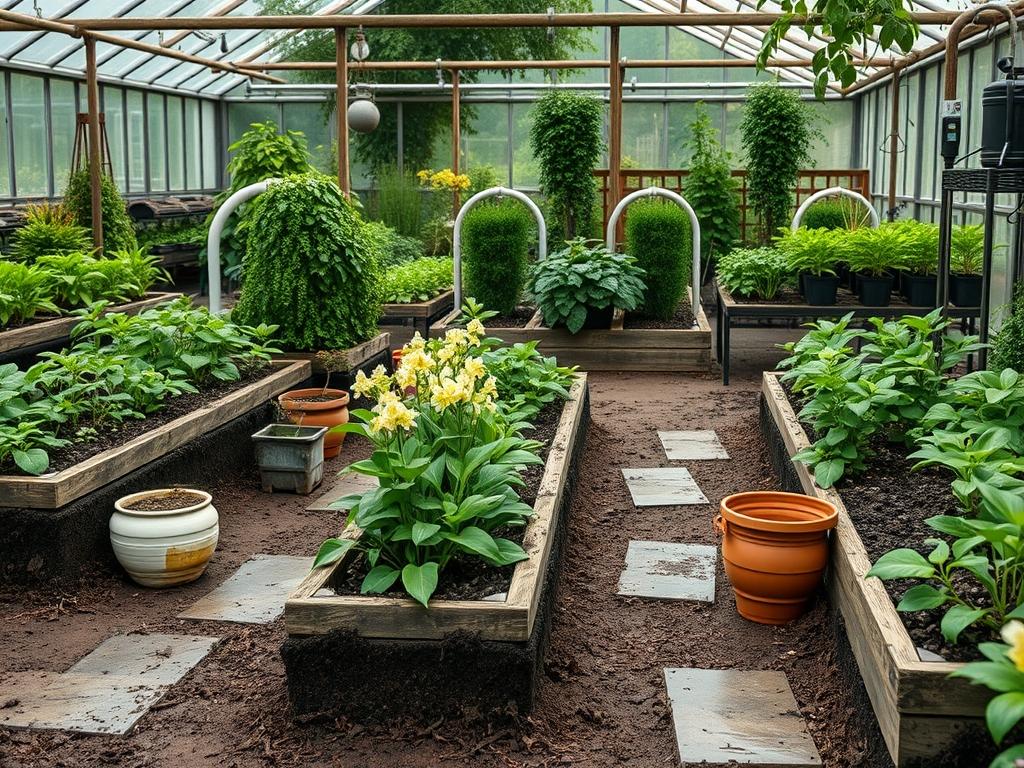
Vertical gardening transforms a flat landscape into a three dimensional masterpiece, and few plants offer the sensory reward of honeysuckle. When integrating these vigorous climbers into a professional landscape design, the primary challenge often lies beneath the surface. Designing for verticality requires a departure from traditional ground level planting logic. We are not merely placing a plant in the ground; we are engineering a biological system that must support heavy biomass as it ascends against walls, fences, or pergolas. The success of this vertical ascent depends entirely on the substrate. Selecting the best soil for honeysuckle involves balancing moisture retention with aggressive drainage, ensuring the root zone can support a high transpiration rate without succumbing to fungal pathogens.
From an architectural perspective, honeysuckle serves as a living veil. It softens the harsh lines of a retaining wall, provides privacy in tight urban courtyards, and enhances curb appeal with its cascading blossoms. However, many homeowners and landscapers overlook the structural demands of the root ball. Because honeysuckle vines can reach lengths of 15 to 20 feet, the nutrient demand is immense. If the soil is too dense, the roots suffocate; if it is too sandy, the plant desiccates before it can reach the top of its trellis. Successful outdoor environment planning treats the planting site as a precision engineered pit where soil chemistry and physical structure are optimized for long term vigor and minimal intervention.
Landscape Design Principles
Integrating honeysuckle into a professional layout requires a keen eye for symmetry and focal points. We often use these vines to create “green walls” that act as a backdrop for lower elevation layers. By establishing a clear hierarchy, where the honeysuckle provides the vertical anchor, we can arrange mid sized shrubs and low lying perennials to create a sense of depth. This layering ensures that the landscape feels full and intentional rather than cluttered. When planning these spaces, it is essential to consider the focal point from various vantage points, such as an indoor window or a patio seating area, to ensure the vine’s silhouette complements the broader architectural lines of the home.
Elevation layers are particularly important when working with vertical spots. If a honeysuckle is planted at the base of a tall structure, the eye is naturally drawn upward. To balance this, we incorporate horizontal elements like flagstone walkways or timber edging to ground the composition. Irrigation planning must also be synchronized with the design. We often specify subterranean drip lines that deliver water directly to the root zone, preventing the foliage from becoming excessively wet, which can lead to powdery mildew. By hiding this infrastructure beneath a layer of organic mulch, we maintain the aesthetic integrity of the garden while ensuring functional reliability.
Visual balance is achieved by matching the vigor of the vine to the scale of the support structure. A heavy, woody vine like Lonicera periclymenum requires a robust steel trellis or a reinforced wooden pergola. If the support system is too flimsy, the vine will eventually cause it to sag or collapse, ruining the symmetry of the design. We also consider the orientation of the site. Honeysuckle is phototropic, meaning it will grow toward the light. If the vertical spot is against a north facing wall in the northern hemisphere, the plant may become leggy at the bottom as it reaches for the sun. Proper design anticipates this by using underplantings to hide the bare lower stems.
Plant and Material Selection
The following table outlines the specific requirements for common honeysuckle varieties and their companions to help guide your selection process based on the unique microclimate of your vertical spot.
| Plant Type | Sun Exposure | Soil Needs | Water Demand | Growth Speed | Maintenance Level |
| :— | :— | :— | :— | :— | :— |
| Lonicera sempervirens | Full Sun | Loamy, Well Drained | Moderate | Fast | Low |
| Lonicera periclymenum | Partial Shade | Rich Compost, Moist | High | Medium | Moderate |
| Lonicera japonica | Full Sun | Any (Adaptable) | Low to Moderate | Very Fast | High (Invasive) |
| Clematis (Companion) | Sun (Tops), Shade (Roots) | Neutral, Alkaline | High | Medium | High |
| Trachelospermum jasminoides | Full Sun to Shade | Well Drained, Sandy | Moderate | Medium | Low |
Implementation Strategy
The actual installation of a vertical honeysuckle feature begins with meticulous site preparation. We start with grading to ensure that water moves away from the foundation of any adjacent structures. Even though honeysuckle likes moisture, hydrostatic pressure against a house wall can lead to basement leaks or wood rot. Once the grade is established, we excavate a planting hole that is twice as wide as the root ball but no deeper. This encourages lateral root spread, which provides better stability for the vine as it gains weight.
For the soil mixture, we recommend a blend of 50 percent native soil, 25 percent well rotted compost, and 25 percent coarse sand or perlite. This combination creates the best soil for honeysuckle by mimicking the forest edge environments where they naturally thrive. We avoid using heavy clay or pure potting mix. Clay compacts too easily, while pure potting mix lacks the mineral weight needed to anchor a large vine. If the soil is naturally alkaline, we may incorporate small amounts of elemental sulfur to bring the pH closer to the ideal 6.0 to 7.0 range.
After planting, the installation of the support structure is the next critical step. We prefer using stainless steel cables or powder coated aluminum for modern designs, as they offer longevity without the risk of rust. The vine should be gently trained onto the support using flexible garden ties that allow for stem expansion. Finally, a 3 inch layer of cedar mulch is applied over the root zone, leaving a small gap around the stem to prevent crown rot. This mulch serves multiple purposes: it regulates soil temperature, suppresses weeds, and breaks down over time to provide a slow release source of organic nitrogen.
Common Landscaping Failures
One of the most frequent mistakes in vertical gardening is neglecting drainage. In an effort to keep honeysuckle hydrated, many gardeners create a “bathtub effect” by digging a hole in heavy clay and filling it with light soil. Water collects in this pocket with nowhere to go, eventually drowning the roots. To avoid this, we often recommend installing a French drain or using raised planters if the native soil is particularly impermeable. Another common failure is root overcrowding. Honeysuckle has a sprawling root system. Planting it too close to other aggressive shrubs can lead to a nutrient war that neither plant wins.
Improper spacing is another pitfall. While it is tempting to plant vines close together for instant coverage, this leads to poor air circulation. Airflow is vital for preventing fungal infections. In vertical spots, the foliage can become very dense, trapping humidity. We advise spacing plants at least 3 to 5 feet apart to allow for future growth. Furthermore, soil compaction is a silent killer. Heavy foot traffic or construction equipment near the planting site squeezes the air pockets out of the soil, preventing gas exchange. If compaction occurs, we use a core aerator or a garden fork to gently fracture the soil profile without damaging the primary roots.
Seasonal Maintenance
Seasonal management begins in early spring before the first buds break. This is the time for structural pruning. We remove dead or crossing wood to open up the center of the vine, which improves sunlight penetration. A balanced, slow release fertilizer (10-10-10) is applied to the soil surface to jumpstart the growing season. As summer arrives, the focus shifts to irrigation. During heatwaves, honeysuckle requires deep watering twice a week. We monitor the leaves for signs of stress, such as curling or yellowing, which often indicates the soil has become hydrophobic and is repelling water.
In the autumn, we perform a clean up of fallen debris. Spent flowers and dropped leaves can harbor pests like aphids or spider mites over the winter. This is also the best time to refresh the mulch layer. As winter sets in, deciduous varieties of honeysuckle will lose their leaves. This dormancy period is an excellent time to inspect the integrity of the trellis hardware and make any necessary repairs. In colder climates, a thicker layer of straw or mulch can be applied to the base to protect the root crown from the freeze-thaw cycle, ensuring a vigorous return in the spring.
Professional Landscaping FAQ
What is the best soil for honeysuckle in a container?
Use a high quality soilless potting mix amended with 20 percent compost and 10 percent perlite. This ensures the container remains lightweight while providing the drainage and nutrient density required for aggressive vertical growth in confined spaces.
How deep should the soil be for a vertical trellis?
Honeysuckle roots typically occupy the top 18 to 24 inches of the soil profile. Ensure your planting site or raised bed provides at least two feet of loose, friable soil to allow for deep structural rooting and drought resistance.
Can I grow honeysuckle in heavy clay soil?
Yes, but you must amend it significantly. Mix in organic matter and gypsum to break up the clay particles. Planting on a slight mound or in a raised garden bed will also help prevent the roots from sitting in stagnant water.
How often should I fertilize the soil?
Apply a balanced granular fertilizer once in early spring and again in midsummer. Avoid high nitrogen fertilizers late in the season, as this can encourage tender new growth that may be damaged by the first frosts of autumn.
Why are my honeysuckle’s bottom leaves turning yellow?
This is often caused by soil compaction or overwatering. Check the moisture level four inches deep. If the soil feels soggy or smells sour, improve the drainage immediately by adding coarse grit or redirecting irrigation emitters.